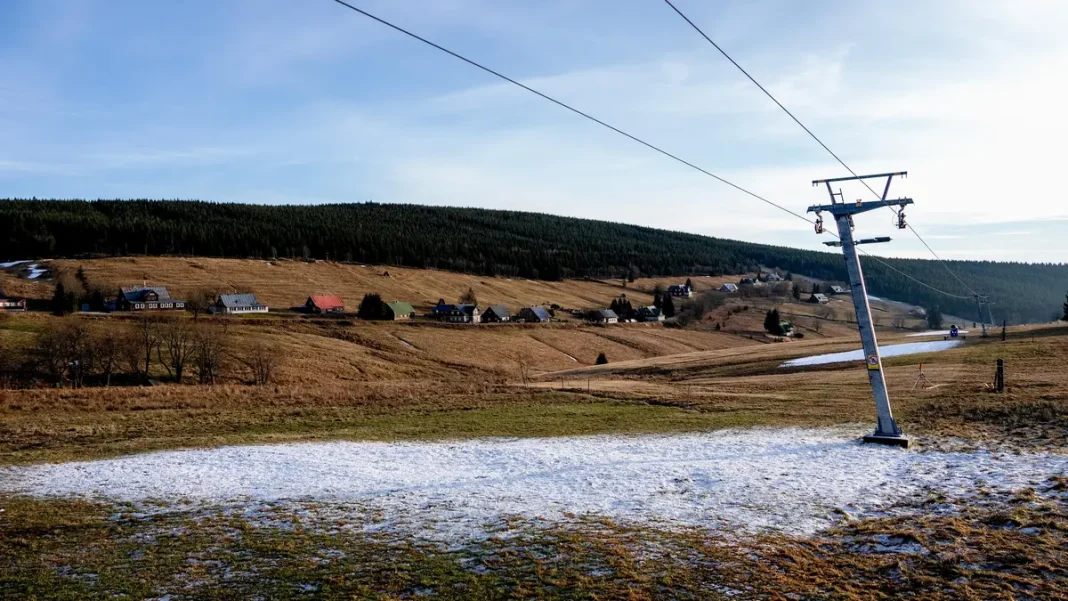

Snow levels are declining globally due to climate change, which is raising concerns about environmental impacts and future sustainability. However, experts suggest that snow won’t entirely disappear, but understanding these shifts is crucial for future planning.
Impact of Declining Snow Levels

The decline in snow levels is primarily attributed to rising global temperatures, which lead to warmer winters and decreased snowfall. This trend impacts not only local ecosystems but also global climate patterns, as snow plays a vital role in reflecting sunlight and maintaining cooler temperatures. As snowy surfaces diminish, more sunlight is absorbed by the Earth, further exacerbating warming effects.
In regions like the Alps and other mountainous areas, lower snow levels affect water supplies, as snowmelt contributes significantly to river flows in the spring and summer months. This can lead to water shortages and increased competition for resources, affecting agriculture, energy production, and everyday water use for residents.
Economic and Recreational Consequences

The economic impact of declining snow levels is particularly severe for regions that rely on winter tourism. Ski resorts, for instance, are seeing shorter seasons and reduced revenues. This is prompting some businesses to invest in artificial snow-making technologies, which are costly and raise further environmental concerns due to energy consumption and water usage.
Recreational activities such as skiing, snowboarding, and other winter sports face uncertainty as snow becomes less reliable. Event organizers and local businesses have to adapt to these changes, often at significant expense, to maintain tourist numbers and regional economic stability.
Environmental and Ecological Changes

The ecological impact of less snow is profound. Many plant and animal species that depend on snowy habitats are being forced to adapt rapidly to changing conditions or face potential extinction. For example, certain alpine plants may not survive the increased temperatures, while species like the snowshoe hare and lynx, which rely on snowy environments for camouflage and hunting, are becoming more vulnerable.
Moreover, changes in snow levels can affect soil moisture and temperatures, altering plant communities and nutrient cycles. This has cascading effects throughout entire ecosystems, altering food webs and habitat structures.
Adapting to the New Reality

Adapting to the ongoing changes in snow levels requires a multifaceted approach. Scientists and policymakers are advocating for strategies such as improved water management practices and enhanced conservation efforts to protect sensitive ecosystems. Additionally, promoting sustainable tourism and investing in green technologies can help mitigate economic impacts.
Education and awareness campaigns are crucial in helping communities understand the long-term implications of declining snow levels. By fostering a culture of sustainability and responsible environmental stewardship, regions can better prepare for and adapt to these challenging changes.
In conclusion, while declining snow levels pose significant challenges, adaptation and strategic planning can mitigate some of the impacts. Understanding and addressing these changes are essential for ensuring a sustainable and balanced future.