
The United States has launched airstrikes targeting ISIS militants in Nigeria, marking a significant move in the fight against terrorism in West Africa. These operations aim to dismantle strategic strongholds of the militant group and disrupt their influence in the region.
Background of the US Military Intervention

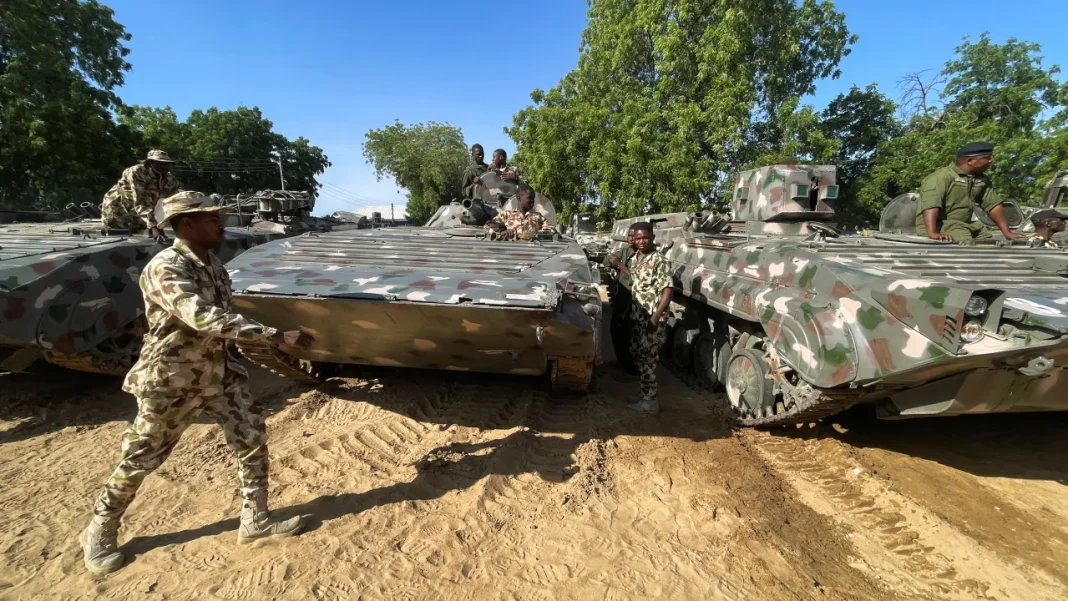
The recent airstrikes demonstrate an intensified effort by the United States to combat ISIS’s growing presence in Africa. Terrorist activities in Nigeria have prompted international concern, with ISIS affiliates committing violent acts against locals and causing widespread displacement. The US military, in collaboration with Nigerian forces, has been actively seeking to curb the advancement of these groups.
Nigeria has been grappling with insurgency problems for over a decade, with Boko Haram and ISIS-related factions asserting control in parts of the country. The US intervention signals a renewed global focus on eliminating these terrorist threats and supporting Nigerian stability and security.
Impact on Local Populations

The airstrikes have reportedly targeted areas known to be ISIS strongholds in Nigeria, primarily in the northeastern region. These military actions are part of broader efforts to secure the safety of civilians who have suffered under the terror imposed by insurgent groups.
For many in Nigeria, these interventions offer a glimmer of hope that the international community is committed to addressing the enduring humanitarian crisis. Displaced populations, facing severe hardships, see the actions by US forces as a positive step towards peace and security.
Challenges and Risks

Despite the strategic precision of these strikes, challenges remain significant. The risk of collateral damage poses concerns for local communities, as unintended casualties can exacerbate existing tensions and fuel anti-West sentiment.
Furthermore, the complex terrain and the militants’ use of unconventional warfare tactics present formidable obstacles. Effective coordination with Nigerian military forces is crucial to ensuring the operations’ success while minimizing risks to civilians.
Global Reactions and Political Implications

The United States’ engagement in Nigeria has sparked varied reactions on a global scale. While allies support the efforts to combat terrorism, some international observers caution against potential overreach and emphasize the importance of respecting national sovereignty.
Politically, these military actions could influence US-Nigeria relations, opening potential avenues for increased cooperation in counterterrorism strategies. The situation remains complex, with diplomatic conversations essential to addressing the root causes of extremism.
The US military strikes in Nigeria underscore a pivotal moment in the ongoing battle against ISIS in Africa. As operations continue, the international community will be watching closely, hoping for effective outcomes that lead to greater peace and stability in the region.