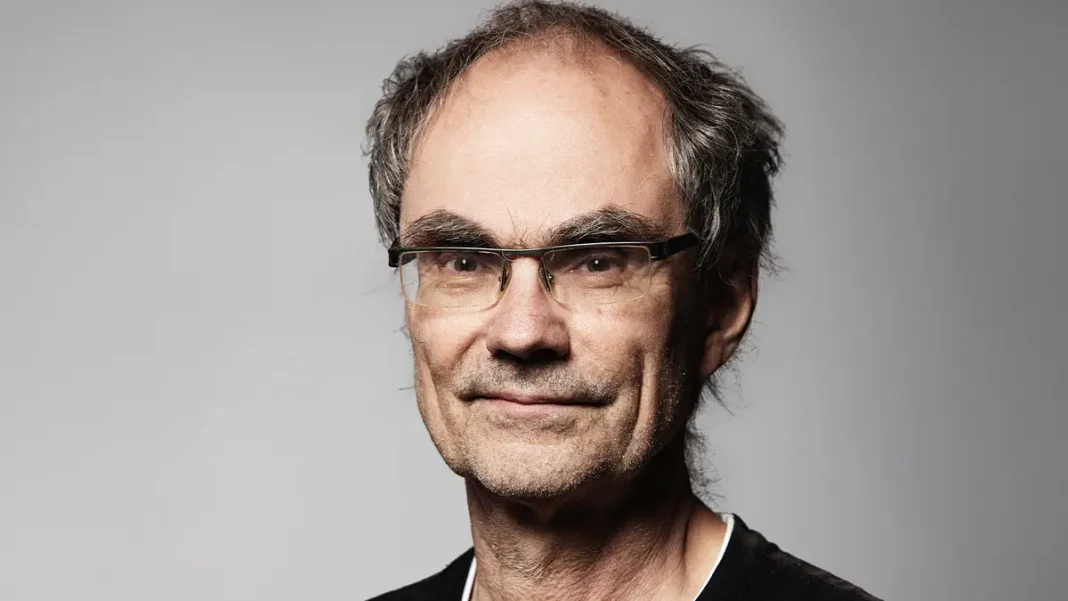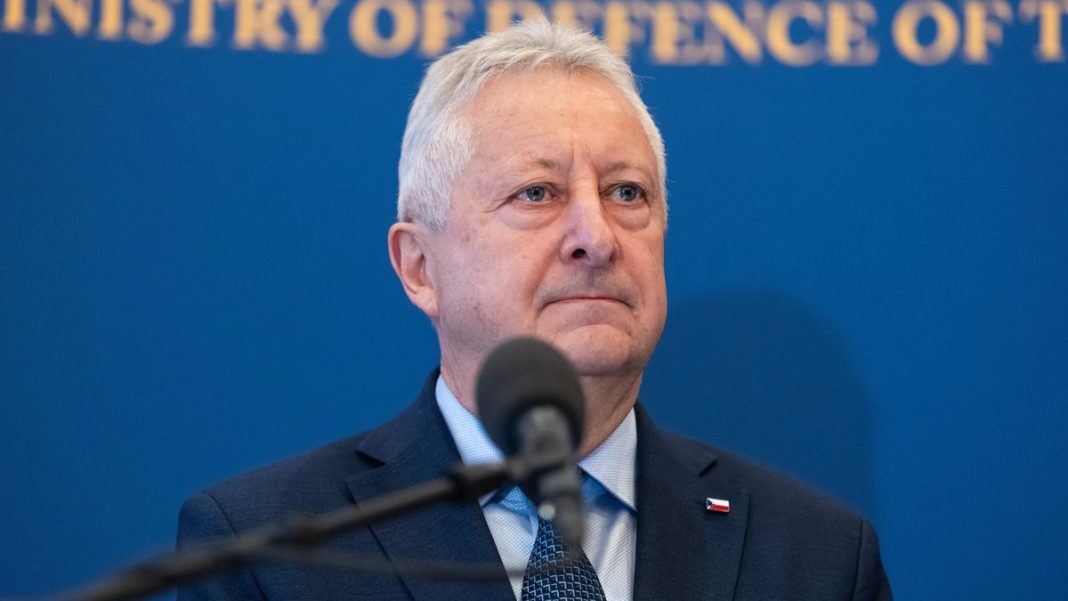

The internal dynamics within the Freedom and Direct Democracy (SPD) party in the Czech Republic have reached a critical point as Jindřich Rajchl aims to replace Radovan Zůna. Amidst this tension, party leader Tomio Okamura has come forward in defense of the current minister, showing a potential rift in party unity.
Leadership Challenges in SPD

The SPD is no stranger to internal disputes, but the current situation marks a significant challenge for its leadership. Jindřich Rajchl’s attempt to replace Radovan Zůna signals underlying disagreements about the future direction of the party. This move has intensified discussions about leadership effectiveness and policy priorities, indicating potential shifts in party strategy.
Okamura’s public defense of Zůna demonstrates his commitment to maintaining a consistent leadership team and underscores the importance of stability during a tumultuous time for the party. His support may be seen as an effort to quell dissent and reinforce the party’s current trajectory, suggesting a preference for continuity over change.
Rajchl’s Motivations

Jindřich Rajchl’s motivations for seeking Zůna’s replacement appear to stem from a desire to realign the party’s policies with what he perceives as its core principles. Rajchl’s approach could be viewed as a push towards a more hardline stance, reflecting the interests of a faction within the SPD that feels current strategies are not effectively addressing key issues.
Rajchl’s actions can also be interpreted as an effort to amplify his influence within the party, potentially positioning himself as a future leader. This ambition raises questions about future leadership contests and the possible reconfiguration of power dynamics within the SPD.
Okamura’s Defense of Zůna
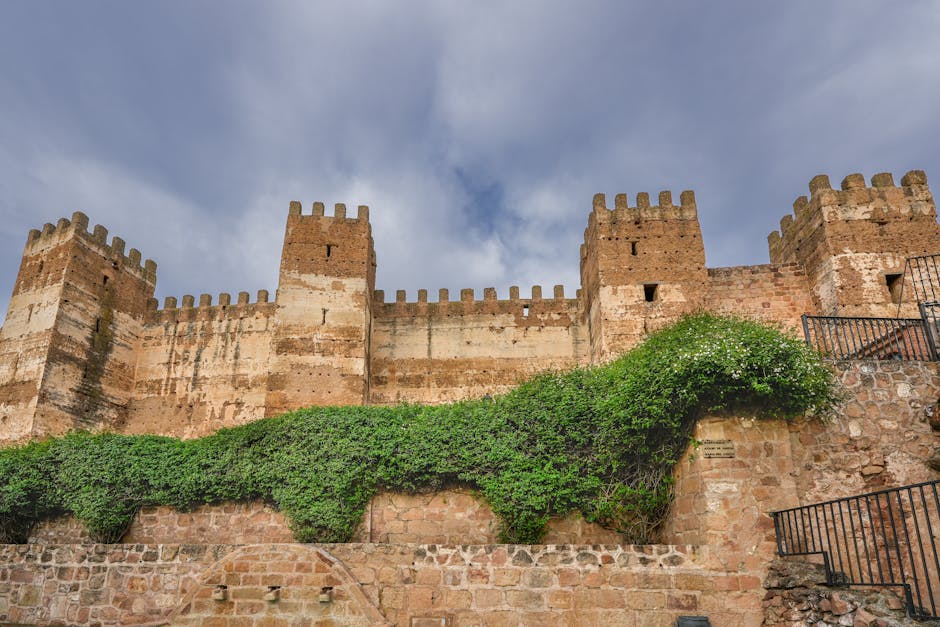
Tomio Okamura’s defense of Radovan Zůna highlights his dedication to preserving party unity amid growing tensions. Okamura, known for his steady leadership, has publicly expressed confidence in Zůna’s ability to fulfill his ministerial duties, thus reinforcing the cohesion of the existing team.
This defense may also be reflective of Okamura’s strategic calculations to avoid further splintering within the party. By supporting Zůna, Okamura is maintaining an image of solidarity and attempting to mitigate potential divides that could weaken the party’s appeal and effectiveness.
Potential Implications for the SPD
The outcome of this internal dispute could significantly impact the SPD’s future electoral performance and public perception. Should Rajchl succeed in his efforts, a shift towards more hardline policies could attract new supporters but may also alienate moderate members and voters.
Conversely, if Okamura’s defense solidifies Zůna’s position, it could stabilize the party in the short term but potentially limit broader strategic adjustments that some members believe are necessary. The balance between maintaining unity and advancing distinct political goals will be critical for the SPD’s trajectory.
Looking Ahead

As the situation unfolds, the SPD will need to navigate the complexities of leadership dynamics and policy alignment. The resolution of this dispute will offer insights into the party’s ability to manage internal challenges and align its vision with the expectations of its constituency.
Regardless of the immediate outcome, the SPD’s current ordeal highlights the intricate balancing act of leadership within political parties and underscores the continuous evolution of political landscapes.
Source: Official SPD website.