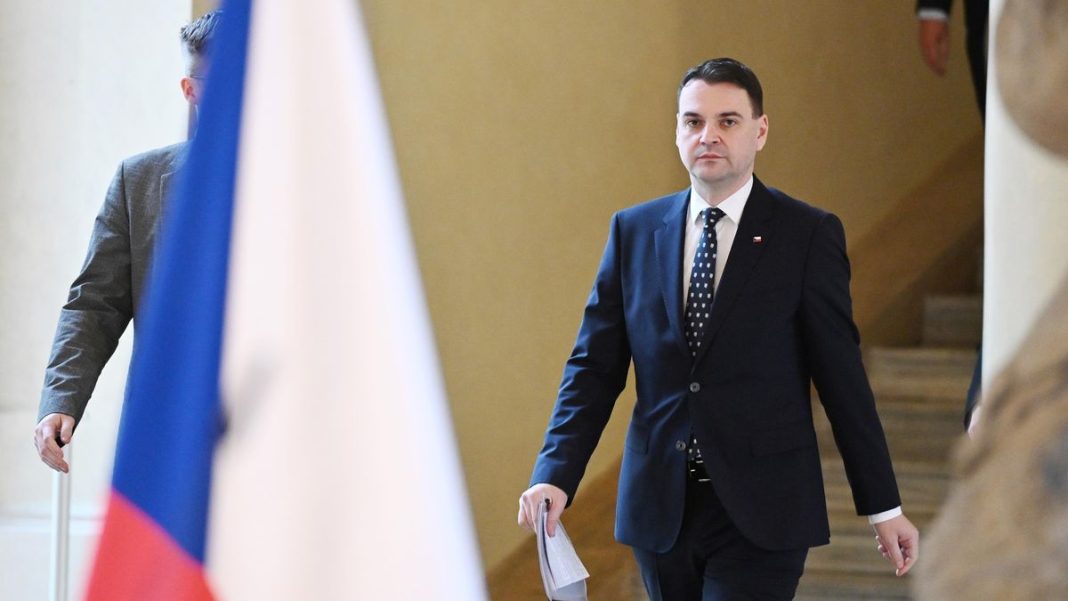

Recent developments in Prague have raised concerns as the Czech government appears to be adopting tactics similar to those recently employed in Poland, involving systematic government purges. This trend could have significant implications for the political landscape and democratic stability in the region.
Background and Recent Developments

In recent months, the Czech government has been accused of conducting purges within various ministries and state institutions. These actions mirror those seen in Poland, where the government has implemented widespread changes in public administration to consolidate power. The Czech purges particularly target high-ranking officials and those deemed disloyal to the current administration, leading to significant upheaval within government ranks.
Several departments have already seen significant turnover, with new appointees reportedly being chosen for their political allegiance. Critics argue that this undermines the independence and effectiveness of public service, increasing concerns about potential abuses of power and impacts on democratic institutions.
Political and Social Implications

The purges have sparked debates about the direction in which the Czech government is heading. Political analysts note that such moves may be part of a broader strategy to weaken opposition and tighten control over the state’s functions. This could lead to reduced checks and balances, as well as a less transparent governance model that stifles democratic processes.
Socially, these government actions have prompted public protests and opposition from civic groups who fear a slide towards authoritarianism. The Czech Republic, like Poland, has a history of valuing democratic principles and human rights, making these changes particularly contentious among citizens who wish to preserve these ideals.
Comparing Czech and Polish Strategies

Both the Czech and Polish governments have faced criticism for their handling of state affairs, especially in how they view and treat public institutions. In Poland, the government’s actions have led to strained relationships with the European Union, which has called for adherence to democratic standards. The Czech government risks similar repercussions if it continues down this path.
The strategies appear to follow a pattern of consolidating power through legislative changes, altering media landscapes, and dismissing key figures from official positions. Such tactics could potentially stifle dissent and hinder the independence of judicial and administrative bodies.
International Reactions and Consequences

Internationally, there is growing scrutiny of these actions, as observers worry about the broader implications for Central Europe’s democratic health. The European Union, in particular, has expressed concerns about the erosion of democratic norms and the rule of law. This could lead to diplomatic tensions or sanctions if the Czech Republic is perceived as infringing on shared European values.
Furthermore, the ongoing turmoil may affect the Czech Republic’s relationships with neighboring countries and international partners, potentially impacting economic and political collaborations. Maintaining a stable, transparent government is crucial for sustaining these alliances and ensuring continued prosperity.
Conclusion

The recent government purges in Prague reflect a concerning trend that has parallels with Polish tactics, raising broader questions about democracy and power dynamics in Central Europe. It remains critical for the Czech government to address these issues transparently and uphold democratic norms to maintain trust and stability within the region.