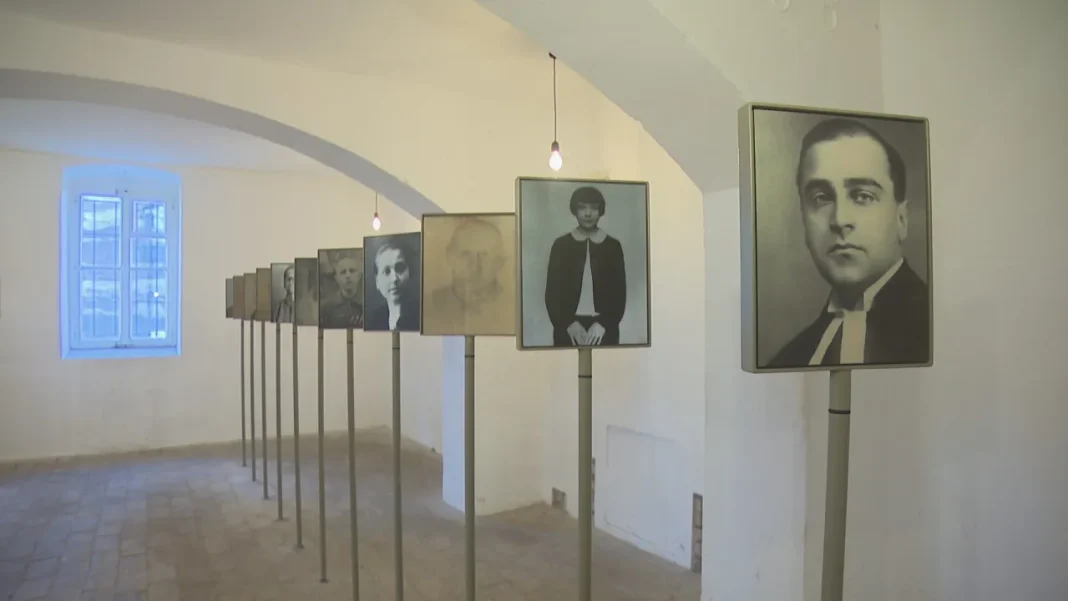

The Sanatorium in Pirna serves as a sobering memorial, dedicated to the victims of the Nazi euthanasia program. This historical site invites reflection on a dark chapter of history, offering visitors insight into the atrocities that occurred here.
The Historical Context of the Sanatorium

During the Nazi regime, the Sanatorium in Pirna became a center for the horrific euthanasia program, where thousands of people deemed “unworthy of life” were systematically murdered. Originally a healing facility, it was repurposed in the early 1940s as a site for these atrocities, specifically targeting individuals with mental and physical disabilities as part of Hitler’s T4 program.
The program aimed to create a “racially pure” society, and those with disabilities were among the first victims. The Sanatorium became a grim symbol of these policies, with thousands losing their lives within its walls. Today, it stands as a crucial reminder of the dangers of intolerance and dehumanization.
The Transformation into a Memorial

After World War II, the Sanatorium remained in use as a healthcare facility but gradually transformed into a memorial site. This transformation involved extensive research and collaboration between historians, survivors, and dedicated community members who sought to preserve the memory of those lost to the brutal policies.
The memorial now educates the public about the history of the euthanasia program and honors the victims. Exhibits include personal stories and artifacts from those who perished, providing a powerful narrative of resilience and remembrance.
Visitor Experience and Educational Programs

Visitors to the Sanatorium can engage with a variety of educational programs designed to deepen understanding of the Holocaust and its broader implications. Guided tours take guests through the facility, highlighting key areas and recounting the stories of individuals whose lives were taken.
Interactive exhibits and educational workshops are available, making the memorial a significant learning resource for students and educators. These programs emphasize the importance of memory and human rights advocacy, encouraging new generations to prevent similar atrocities in the future.
The Role of the Sanatorium in Contemporary Society

Today, the Sanatorium in Pirna holds a vital role in fostering dialogue about human rights and historical responsibility. It serves as a poignant reminder of past horrors, underscoring the need for vigilance against discrimination and genocide.
By maintaining the memorial, Pirna contributes to global efforts in Holocaust education and the promotion of tolerance. The site continues to attract visitors from around the world, each leaving with a deeper understanding of the consequences of hatred and the value of diversity and inclusion.
Source: Official Bundesarchiv website.