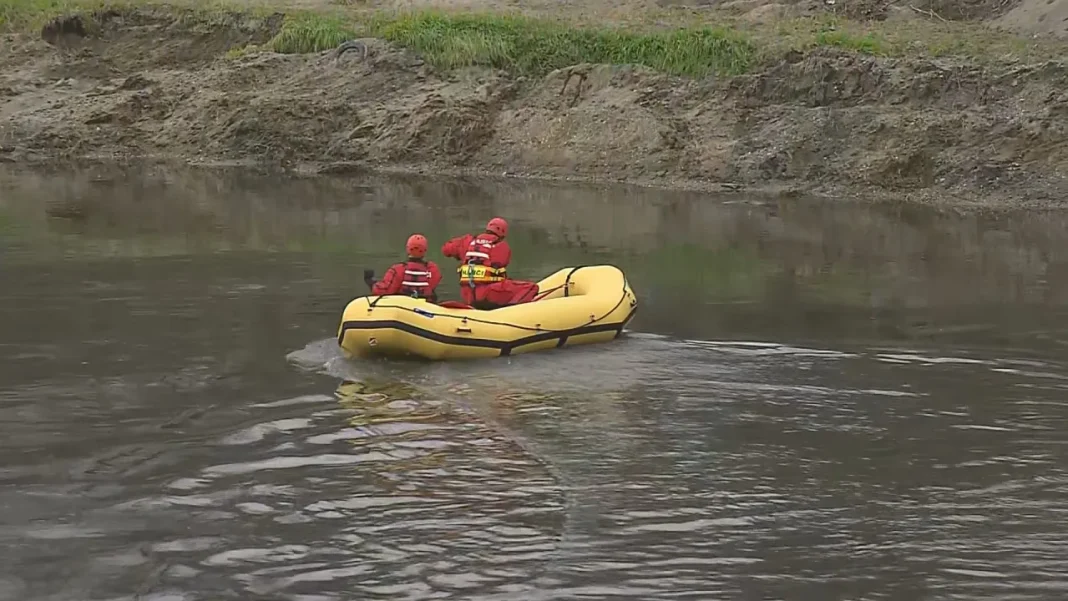

The Ministry of Environment has overturned a significant fine initially levied against a company for polluting the Odra River. The case has been returned to the inspection authority for further evaluation, raising questions about environmental accountability and regulatory oversight.
Background of the Pollution Case

The Odra River has long been an ecological treasure and an economic asset for the region. Recently, a company faced substantial penalties after being accused of discharging pollutants into the river. The fine was initially imposed by the environmental inspection agency, aiming to deter such harmful activities.
Local environmentalists and residents expressed significant concerns over the potential damage to the river’s ecosystem, which supports a diverse range of wildlife and plants. The case quickly became a focal point in discussions about environmental protection in the region.
Ministry’s Decision and Rationale

The Ministry of Environment’s recent decision to revoke the fine and return the case for further inspection has sparked extensive debate. The Ministry cited procedural errors and insufficient evidence as reasons for its decision, emphasizing the need for a robust and fair investigation process.
This decision reflects the complex interplay between regulatory bodies and businesses, highlighting the necessity for thorough and transparent environmental monitoring. The Ministry affirmed its commitment to protecting natural resources while ensuring due process.
Implications for Environmental Policy

The revocation of the fine has triggered a broader conversation about the effectiveness of current environmental policies. Critics argue that such reversals may weaken the perceived power of regulatory frameworks, potentially leading to less stringent compliance from industry players.
On the other hand, some experts suggest that revisiting the case might lead to a more comprehensive understanding of the pollution issue, potentially resulting in stronger and more targeted regulations in the future.
Community and Environmental Response

Environmental groups have voiced their disappointment, fearing that the ministry’s decision might set a worrying precedent. They assert that swift and decisive action is crucial to deterring future violations and protecting the Odra River.
Community members along the river have also expressed their concerns, calling for more active participation in monitoring and safeguarding the region’s natural resources. Public sentiment underscores the importance of transparency and accountability in environmental governance.
As the inspection agency re-examines the case, all eyes are on how future proceedings will unfold, potentially shaping the landscape of environmental regulation in the region.