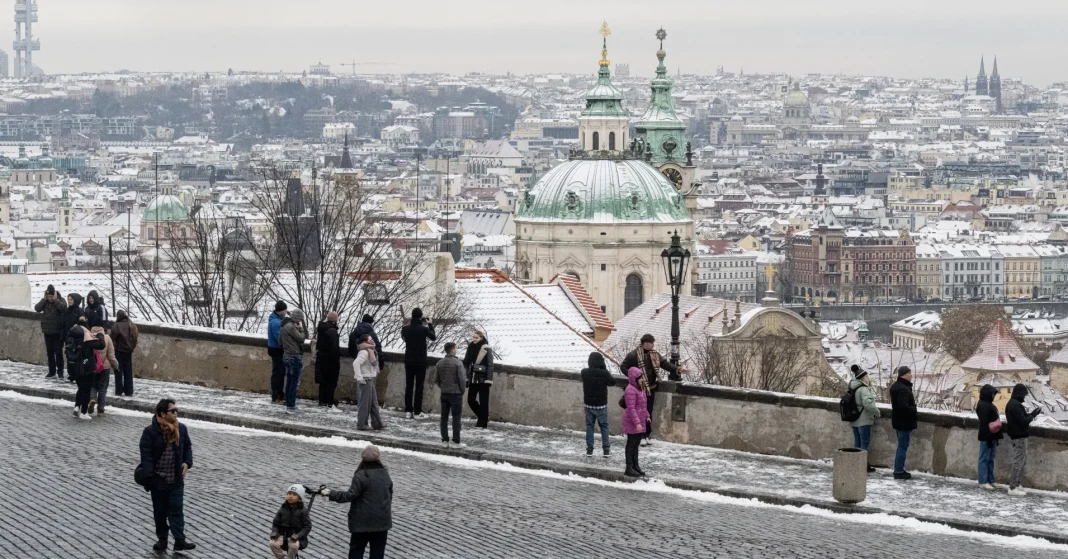

Recent reports indicate that Prague is among the top ten cities worldwide with the highest energy costs, surpassing other major metropolises like New York and Paris. This finding impacts both residents and businesses, posing significant economic challenges.
Prague’s Rising Energy Costs

The rise in energy costs in Prague can be attributed to several factors, including fluctuating global energy prices and increased demand. Local policies and taxation also play a critical role in determining these costs. Energy consumption in homes and industries has consistently increased, putting additional pressure on existing infrastructure.
Experts suggest that while geopolitical tensions have influenced global energy prices, local regulatory factors cannot be ignored. The push towards greener energy sources, though necessary, has also contributed to the rising prices due to initial setup costs and ongoing maintenance.
For residents, the increased costs mean higher utility bills, prompting many to seek energy efficiency solutions or alternative energy sources. This shift points towards a growing interest in renewable energy adoption among Prague’s citizens.
Comparative Analysis with Other Cities

When compared to other world cities like New York and Paris, Prague’s energy costs are surprisingly higher. This development has been a subject for urban planners and policy-makers who are keen to address the underlying causes. While New York and Paris also face energy challenges, their diversified energy portfolios often mitigate severe cost increases.
These cities have invested significantly in energy-efficient infrastructure and renewable energy sources, which have helped them stabilize costs. Prague, on the other hand, is still developing in these areas, hinting at potential areas for improvement.
Understanding these differences is crucial for local authorities to implement strategic changes and encourage investments in renewable projects and energy-efficient infrastructure.
Impact on Businesses and Economy
High energy costs in Prague pose significant challenges for the local economy, particularly affecting small and medium enterprises (SMEs). These businesses often operate on tight budgets and fluctuating energy expenses can severely impact their profit margins and operational efficiency.
In industries such as manufacturing and tech, where energy consumption is substantial, companies are compelled to innovate and adopt energy-efficient technologies to remain competitive. However, this transition requires substantial investment, which not all businesses can afford.
The economic implications extend beyond direct costs; increased energy expenses can lead to inflationary pressures, impacting everything from production costs to consumer prices, thereby affecting the broader economic landscape.
Addressing the Challenge: Potential Solutions

Several initiatives are being considered to tackle high energy costs in Prague. These include expanding renewable energy projects, upgrading infrastructure, and adopting smart technology solutions. The government is exploring partnerships with international energy firms to bring innovation and best practices to the city.
More proactive measures, such as encouraging energy conservation and efficiency incentives for households and businesses, are also on the table. Educating the public about energy-saving strategies plays a crucial role in reducing individual consumption.
Furthermore, long-term strategies focus on revising and updating energy policies to align with global trends and ensuring that Prague remains competitive on the international stage.
As Prague navigates these challenges, the focus on sustainable energy solutions and efficient resource management will be critical in ensuring a stable energy future for the city.
Source: Official City of Prague website.