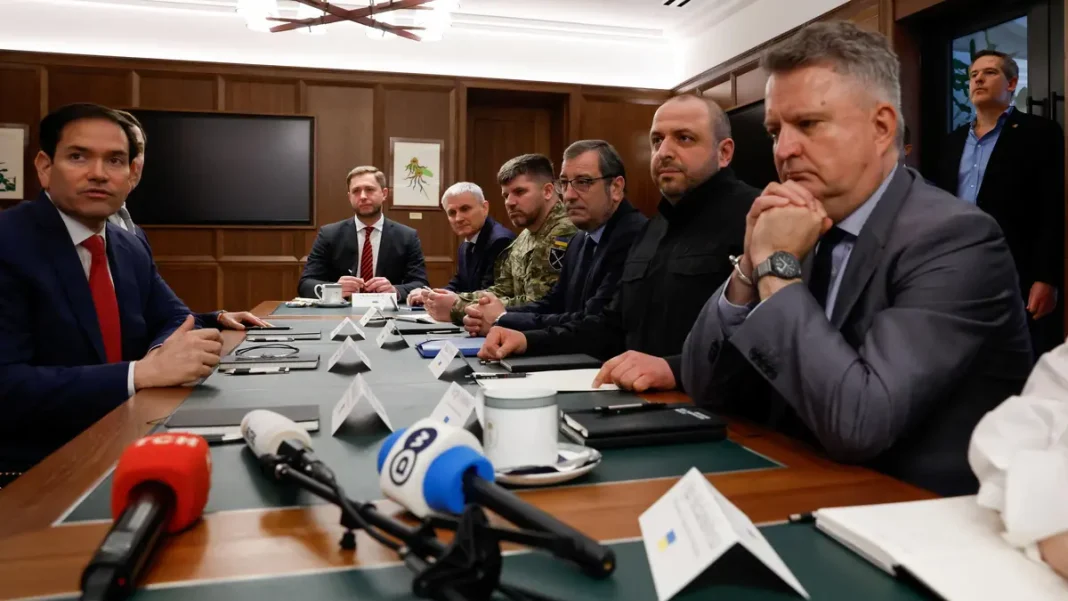

In recent developments, U.S. Senator Marco Rubio has acknowledged the positive steps towards peace negotiations in Ukraine. This commentary arrives amid ongoing discussions about the conflict with Russia and potential paths to resolution.
Rubio’s Perspective on Peace Talks

Senator Marco Rubio recently expressed his views on the Ukraine peace talks, describing them as a constructive development. He highlighted the importance of dialogue in de-escalating tensions between Ukraine and Russia. This sentiment reflects a broader international push for peaceful resolutions through diplomatic channels.
Rubio’s comments underscore a pivotal moment in international relations, as global players continue to seek pathways to peace in the war-torn region. The senator stressed the vital role that international institutions play in facilitating these conversations, advocating for continued support to Ukraine from allied nations.
His remarks were aligned with the broader consensus in Washington, aiming to balance assertive responses to Russian aggression with diplomatic efforts to find a lasting solution to the conflict.
International Reactions to the Peace Negotiations

Global reactions to the peace talks have been largely positive, with several countries expressing support for continued dialogue. European nations, in particular, have been vocal in their approval, emphasizing the urgent need to stabilize the region. This sentiment is echoed by various international bodies, including the United Nations, which has called for sustained diplomatic engagement.
The United States, alongside its NATO allies, continues to play a critical role in these discussions, aiming to ensure collective security while fostering avenues for peaceful resolution. Analysts suggest that the success of these negotiations could set a precedent for resolving similar conflicts worldwide.
Nevertheless, challenges remain, as trust and compliance with agreements need robust mechanisms to prevent future escalations. The international community’s role remains crucial in facilitating transparent and effective communication between parties.
Current Status of the Conflict

The conflict in Ukraine has caused significant humanitarian and economic hardships. Despite some progress in negotiations, fighting persists in several regions, exacerbating the plight of civilians. Both sides remain entrenched, though talks of ceasefires offer glimpses of hope.
Evolving conditions on the ground continue to shape the dynamics of the negotiations. Military and political strategies from both Ukraine and Russia are under scrutiny, as stakeholders seek a balance between strategic interests and humanitarian needs.
Reports indicate that any breakthrough in talks will require concessions and commitments from both parties, along with assurance from international mediators to maintain peace.
The Role of International Support

International aid and support remain vital for Ukraine, both in military and humanitarian terms. Countries across the globe have pledged financial aid, military equipment, and technical assistance to bolster Ukraine’s defense capabilities and support its citizens.
The U.S. and EU have been at the forefront of this aid, reflecting a commitment to uphold Ukraine’s sovereignty. This support is seen as a crucial mechanism to deter further aggression and aid in the peaceful resolution of the crisis.
Long-term rebuilding efforts will likely depend heavily on continued international support, focusing on both infrastructure and social services to restore normalcy in the affected regions.
Senator Rubio’s positive stance on the peace talks adds a significant voice to the ongoing international dialogue, highlighting the need for continued engagement and support in the quest for a peaceful resolution.
Source: Official U.S. Senate website.