In a landmark moment for European space exploration, a German astronaut is set to become the first European to land on the moon in over half a century. This historic mission reignites interest in lunar exploration for Europe, marking a significant achievement in international space collaboration.
Germany’s Pioneering Role in Space Exploration
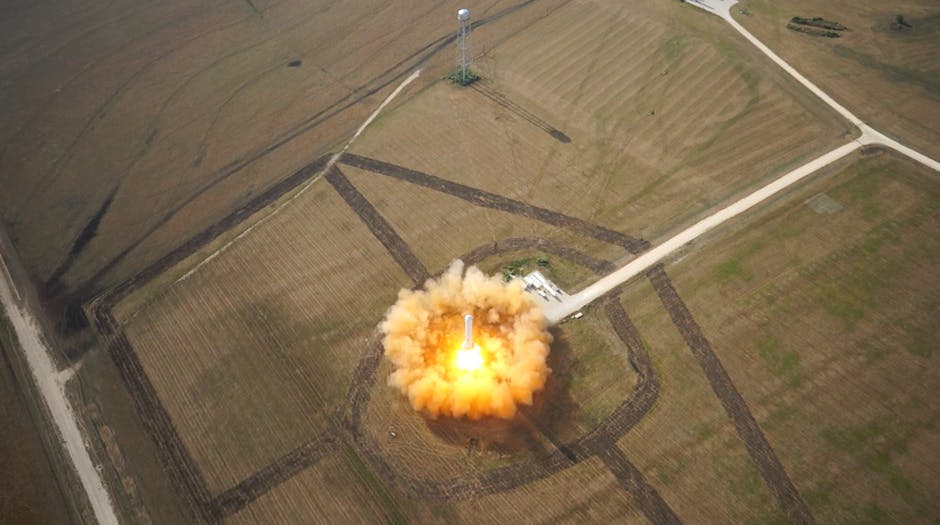
Germany’s contribution to space exploration is comprehensive, ranging from satellite technology to international missions. This lunar mission positions Germany as a frontrunner within the European Space Agency (ESA), showcasing its advancements and capabilities in space technologies. The mission is expected to inspire a new generation of scientists and engineers, further solidifying the nation’s status as a leader in aerospace innovation.
The German astronaut’s journey to the moon reflects a broader European commitment to rekindle interest in lunar exploration. The mission forms part of ESA’s larger strategy to emphasize collaboration and innovation in addressing the challenges of human spaceflight beyond Earth’s orbit.
The Mission’s Significance

This mission is not just about planting a flag on the lunar surface but also serves as a vital step towards establishing a sustainable human presence on the moon. The data gathered will provide valuable insights into the moon’s resources and geography, assisting future endeavors in lunar colonization and resource utilization.
The astronaut’s journey will include a comprehensive suite of scientific experiments aimed at understanding the lunar environment. These efforts are critical in preparing for long-term human and robotic exploration of the solar system.
International Collaboration in Space

The mission exemplifies the spirit of international collaboration in space exploration, highlighting partnerships between NASA, ESA, and other global space agencies. The cooperation extends beyond the technological domain, fostering political and scientific alliances that transcend geographical boundaries.
This collaboration is vital in addressing the immense challenges of space exploration, from technological development to ensuring astronauts’ safety in space. The mission exemplifies how nations can work together towards a common goal, sharing knowledge and resources to achieve extraordinary feats.
The Impact on European Space Initiatives

The German astronaut’s lunar landing is expected to boost space-related initiatives within Europe. It can spur increased investment in space technologies and inspire new educational programs focused on science, technology, engineering, and mathematics (STEM) fields.
Moreover, the mission is likely to galvanize public interest and support for space exploration, bolstering the public’s engagement with the scientific community. It represents a pivotal moment in the narrative of European space achievements and potentially opens doors for more ambitious projects in the future.
The German astronaut’s forthcoming lunar voyage marks a significant milestone in Europe’s space narrative, strengthening international partnerships and advancing global knowledge of our celestial neighbor. This mission bridges past achievements with future aspirations, firmly placing Europe back in the lunar spotlight.
Source: Official European Space Agency website.