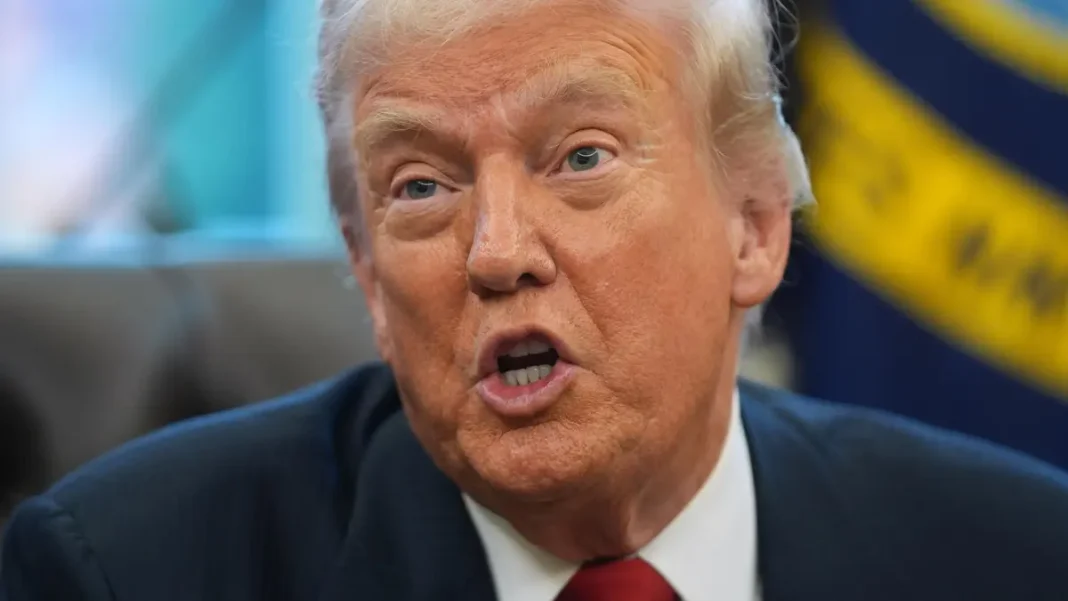

In a surprising political development, former U.S. President Donald Trump has announced concessions pertaining to Russia as part of a newly proposed peace plan. This move has sparked widespread discussion and debate among international observers.
Details of the Peace Plan

The proposed peace plan, introduced by Trump, aims to reduce tensions between the United States and Russia. Key concessions include limited lifting of certain sanctions imposed on Russia in exchange for promises of cooperation on global security issues and arms reduction. Trump asserts that the plan is a strategic move to foster better bilateral relations and promote stability in conflict regions.
These concessions are part of a broader framework aimed at creating dialogue and cooperation. The exact details of which sanctions might be eased have not been specified, but the proposal suggests a phased approach contingent upon positive actions from Russia.
International Reactions

Reactions to Trump’s announcement have been mixed on the international stage, with some praising the effort to de-escalate tensions. European allies have expressed cautious optimism, emphasizing the importance of transparency and verifiable commitments from Russia as part of the peace process.
Conversely, critics argue the plan may embolden Russian leadership without securing meaningful changes or benefits for the West. Concerns about undermining the collective stance on Russian policies also feature prominently in discussions among NATO members.
Implications for U.S. Foreign Policy

The announcement signifies a potential shift in U.S. foreign policy strategy regarding Russia. This could reshape the geopolitical landscape, especially if the concessions lead to tangible results. Proponents within the U.S. champion the plan as a move towards prudent diplomacy.
However, some officials and observers are wary of the risks involved. They caution that the strategy could weaken the current stance against Russian actions that previously warranted international sanctions and diplomatic penalties.
Public Opinion and Political Ramifications

Within the United States, public opinion is divided. Some view the concessions as a necessary step towards peace, while others fear potential consequences of showing leniency. Political analysts predict this decision might become a pivotal issue in upcoming elections.
Members of both major political parties have voiced their concerns and support, indicating that this development might play a significant role in the political landscape and mobilization efforts ahead of the next electoral cycle.
As the situation unfolds, the effectiveness and consequences of Trump’s peace plan remain to be seen, creating a dynamic dialogue around global diplomacy and international alliances.
Source: Official White House website.