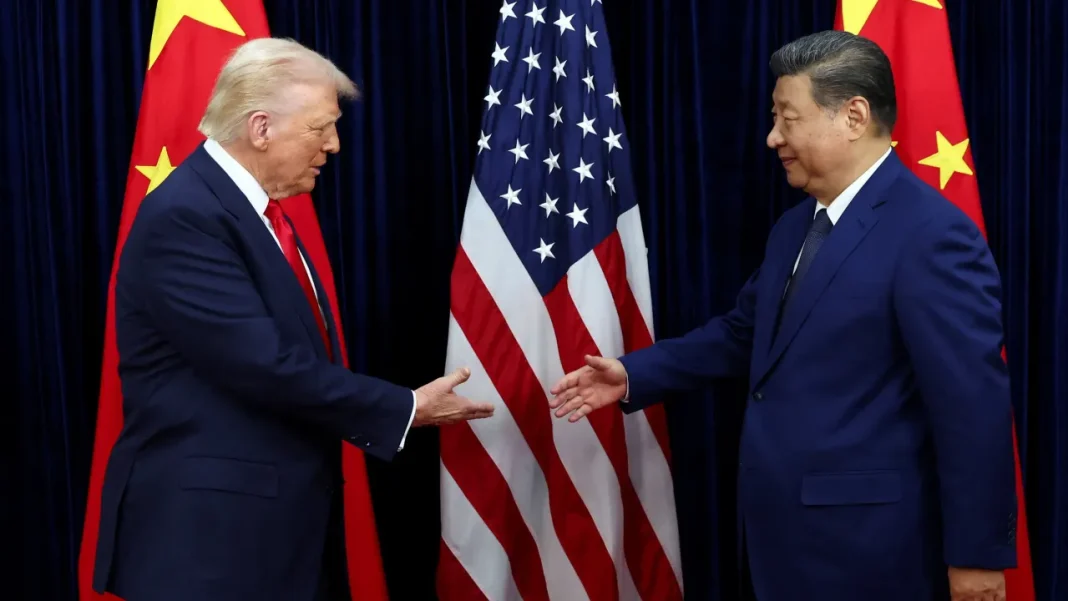

Tensions between Japan and China have long been a point of international concern, impacting the regional stability in East Asia. Recent efforts by former U.S. President Donald Trump aimed to foster dialogue and ease these tensions, marking a strategic diplomatic move.
Background of Sino-Japanese Relations

The relationship between Japan and China has been marked by a complex history of conflict and cooperation. Territorial disputes, historical grievances, and economic competition have often overshadowed the potential for collaboration. Despite these challenges, both nations are integral partners in the regional and global economy, making improved relations beneficial to all stakeholders.
Trump’s intervention comes against this backdrop, highlighting the importance of U.S. involvement in regional stability. His approach focused on emphasizing mutual economic interests and the shared goal of regional security, hoping to pave the way for more constructive dialogue.
Key Diplomatic Efforts

During Trump’s administration, a series of diplomatic initiatives were launched to mediate tensions. These included high-level meetings with leaders from both countries, aiming to create a platform for open communication. Emphasis was placed on fostering trust and addressing mutual concerns over regional issues.
Efforts were also made to encourage collaboration in areas such as trade, technology, and climate change, recognizing that cooperation in these fields could serve as a foundation for broader diplomatic progress.
Economic Interests and Opportunities

An important aspect of easing tensions is the economic interdependence between Japan and China. Both nations are major trading partners, and any instability could have significant repercussions on the global market. Trump’s strategy focused on highlighting these economic ties as a driving force for reconciliation.
The former president advocated for joint economic projects and initiatives that could benefit both nations, encouraging them to engage in mutually beneficial agreements that would bolster economic resilience and growth.
Challenges and Criticisms

Despite these efforts, challenges remain significant. Historical issues, particularly relating to wartime history, continue to be a source of contention. Moreover, nationalist sentiments within both countries pose additional hurdles to diplomatic progress.
Critics of Trump’s efforts often point to the limited long-term impact of his diplomatic initiatives, arguing that deeper structural changes are necessary to achieve lasting peace and cooperation in the region.
The efforts to ease tensions between Japan and China under Trump’s leadership reflect the complexities of international diplomacy. While challenges persist, the focus on economic cooperation and dialogue provides a hopeful framework for future relations.