

In recent years, the conversation around equal rights has gained significant momentum worldwide, highlighting the necessity for inclusive and equitable treatment for all individuals. This comprehensive guide explores the various dimensions of equal rights, shedding light on key areas that demand attention and action.
Understanding Equal Rights

Equal rights refer to the principle that all individuals, regardless of their gender, race, religion, or socio-economic status, are entitled to the same rights and opportunities. This concept is foundational to modern societies, aiming to eliminate discrimination and promote justice for all people. The fight for equal rights often involves legislative reforms, educational initiatives, and public awareness campaigns designed to address systemic inequalities.
In the context of global human rights, equal rights have been enshrined in various international treaties and declarations. Organizations worldwide continue to push for the implementation of these standards, with an emphasis on both legal protections and societal shifts in attitude.
Gender Equality

Gender equality is a crucial aspect of the equal rights conversation, focusing on ensuring that individuals of all genders have equal opportunities and are free from discrimination. This includes access to education, employment opportunities, and political representation. Efforts to promote gender equality often involve tackling issues such as the gender pay gap, gender-based violence, and stereotypes that limit opportunities for women and non-binary individuals.
International Women’s Day, celebrated annually, serves as a focal point for advocating gender equality. Various movements and organizations work tirelessly to empower women and promote policies that support gender equity on both local and global scales.
Racial and Ethnic Equality

Racial and ethnic equality aims to eliminate discrimination and prejudice based on race or ethnicity. Achieving this requires addressing historical injustices and promoting a cultural understanding that celebrates diversity. Many countries have made significant strides through anti-discrimination laws, affirmative action policies, and educational programs that foster inclusivity.
Movements like Black Lives Matter have brought global attention to racial inequalities, advocating for systemic change in policing, legislation, and societal norms. The continued pursuit of racial equality involves a collaborative effort across communities to recognize and dismantle oppressive systems.
LGBTQ+ Rights
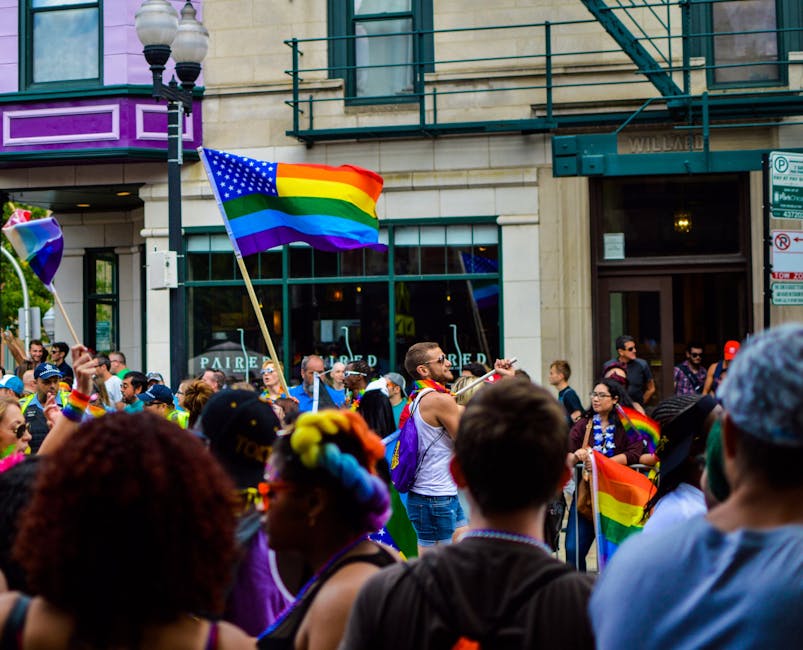
The fight for LGBTQ+ rights is an integral part of the equal rights movement, seeking recognition and acceptance for all sexual orientations and gender identities. Key issues include the legalization of same-sex marriage, protection against discrimination, and support for transgender individuals’ rights.
Pride Month, celebrated each June, highlights the achievements and ongoing struggles of the LGBTQ+ community. Advocacy groups play a vital role in advancing legal rights and fostering environments where diversity in sexual orientation and gender identity is accepted and respected.
Worldwide, achieving equal rights remains a work in progress, requiring commitment and collaboration from all sectors of society. By understanding the complexities and importance of equal rights, we can work towards a future where all individuals are treated with dignity and respect.