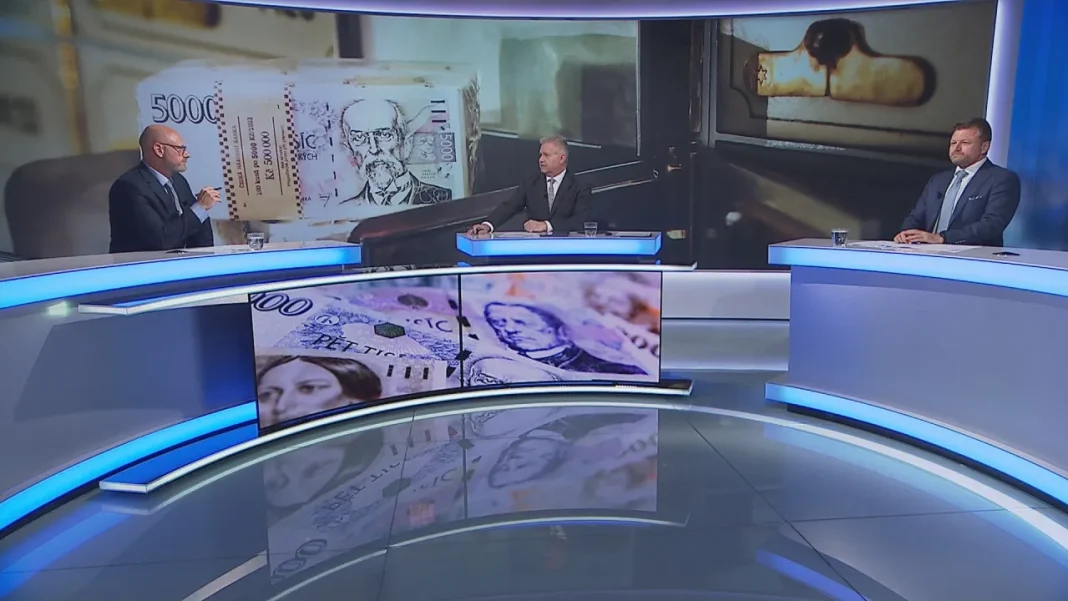

Amid growing fiscal challenges, Czech Minister of Education Robert Plaga has emphasized the importance of maintaining a realistic budget, while Member of Parliament Jan Munzar has raised concerns over potential legal issues that could impact the government’s plans. These discussions come at a critical time for the country’s economic management.
Plaga’s Focus on a Realistic Budget

Robert Plaga, the Czech Republic’s Minister of Education, has underscored the necessity of a realistic and sustainable budget in addressing the country’s educational and economic needs. Amidst economic uncertainties, Plaga is advocating for a pragmatic approach that balances the demands of education with fiscal responsibility. In a recent meeting, he highlighted the importance of ensuring that spending plans do not exceed the nation’s financial capabilities, which could otherwise lead to long-term detrimental effects on public services.
Plaga’s stance reflects a broader governmental push to adopt cautious fiscal policies. The minister has called for collaboration among all stakeholders to prioritize spending on key areas such as infrastructure and teacher salaries, aiming to ensure that the sector’s growth aligns with budgetary constraints. His approach is expected to influence upcoming budget allocations significantly.
Munzar’s Legal Concerns

Amidst the discussions on budgetary allocations, Jan Munzar, a Member of Parliament, has voiced concerns about legal challenges that might arise from current government policies. Munzar has pointed out potential legal pitfalls in the way certain budgetary decisions are being framed, suggesting they could lead to complications for the administration if not addressed timely.
Munzar’s concerns revolve around the complexities of implementing budgetary policies that align with both national laws and European Union regulations. He emphasizes the need for a thorough legal review of proposed financial measures to prevent any future disputes that could hamper the execution of the budget. His warnings are a call to action for legislators to consider the legal ramifications carefully.
Potential Implications for Public Services

The debate over the budget’s realism and legal compliance has significant implications for public services in Czechia. Education, being at the forefront, risks facing funding shortfalls unless a balanced budget is realized. The Ministry of Education proposes minor adjustments to existing schemes, which, if not legally substantiated, might face judicial setbacks.
Public health services, another critical area, could also be impacted by budgetary constraints. The ongoing discourse between Plaga and Munzar highlights the intertwined nature of fiscal responsibility and legal oversight, emphasizing the need for a collaborative approach to safeguard essential services from adverse budget cuts.
Public and Political Reactions

The public reaction to these discussions has been one of cautious interest, with many citizens wary of potential cuts impacting day-to-day services. Politically, the discussions have sparked debate among various parties, with some advocating for increased spending to stimulate the economy, while others support Plaga’s cautious approach.
The outcome of these budgetary deliberations will likely influence public confidence in the government, potentially impacting upcoming elections. It underlines the need for transparent communication from the government to maintain public trust and ensure that the proposed budget reflects both economic realities and legal obligations.
The ongoing dialogue between fiscal caution and legal concerns marks a pivotal moment in Czechia’s efforts to manage its finances effectively. Both Plaga and Munzar’s perspectives offer valuable insights into creating a balanced and compliant budget for the country’s future.
Source: Official Czech Ministry of Education website.