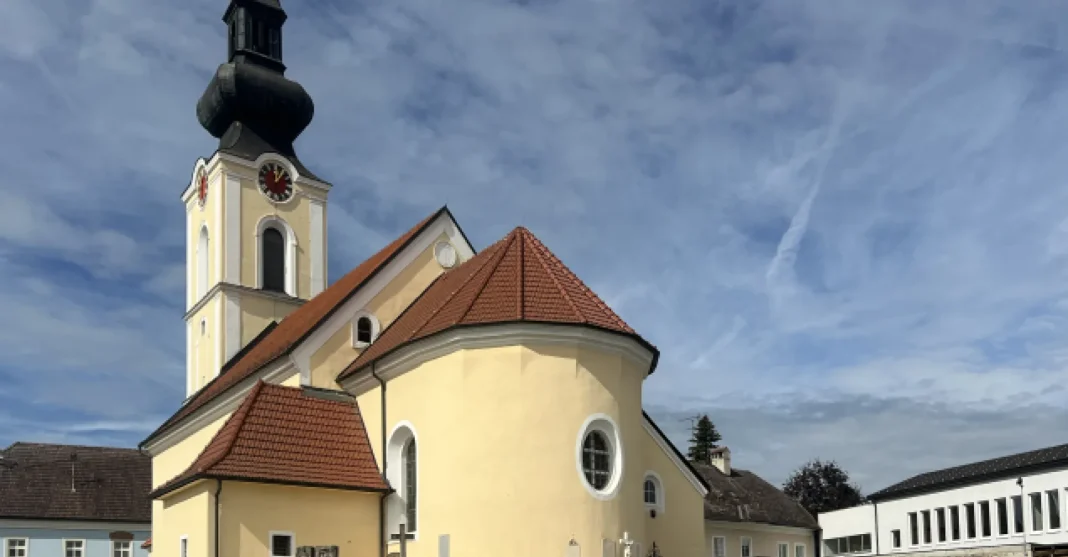

Prague recently made headlines by discreetly removing a controversial historical site, sparking conversations about the balance between preserving history and promoting progression. This decision has ignited debates among historians, locals, and tourists alike.
The History Behind the Site

The removed site was once a popular yet contentious landmark. Originally erected during a politically charged period, it symbolized ideologies that have since been questioned or condemned. The decision to install such a monument was intended to represent unity at the time, but its meaning evolved greatly over the years as sociopolitical landscapes shifted in Prague and globally.
Critics argued that the site was an unwelcome reminder of a difficult past. Its presence often sparked protests and calls for its removal, while others viewed it as a necessary part of Prague’s historical tapestry, offering a reminder of lessons learned.
The Motivation Behind the Decision

The city authorities decided to remove the site not as an erasure of history, but as a step toward fostering a more inclusive atmosphere. The aim was to reallocate space for venues that reflect current societal values and global perspectives. This decision aligns with Prague’s broader goal to modernize its public spaces and reflect on the historical narratives they choose to amplify.
Prior consultations were held with historians, city planners, and local communities to ensure a rounded perspective. This collaborative approach was intended to mitigate backlash and ensure that the site’s removal was understood as a constructive transformation rather than a disregard for history.
Public Reaction and Debate
The removal has been a point of contention. While some Prague residents welcomed the change as a breath of fresh air, eager to move forward, others expressed concerns about historical censorship. These varied reactions highlight the city’s diversity and the complex relationship its people have with their past.
Local forums and media outlets have been buzzing with opinions, illustrating the powerful impact historical sites have on community identity. Discussions often revolve around what should replace the site, with many advocating for more representation of Prague’s diverse cultural heritage.
Looking Forward: The Future of Prague’s Public Spaces

With the removal of the controversial site, Prague officials have made it clear that future installations will emphasize inclusivity and dialogue. This change signifies a broader intent to feature spaces that resonate with contemporary values while still respecting the nuances of historical narratives.
Future plans include public consultations to ensure diverse voices contribute to the city’s evolving landscape. The goal is to create symbols that not only honor the past but also inspire future generations to understand and appreciate the complexities of history.
While the removal of the site marks the end of an era, it also signals a new chapter for Prague. The city reflects on its past while embracing the future, promoting unity and understanding in its public spaces.