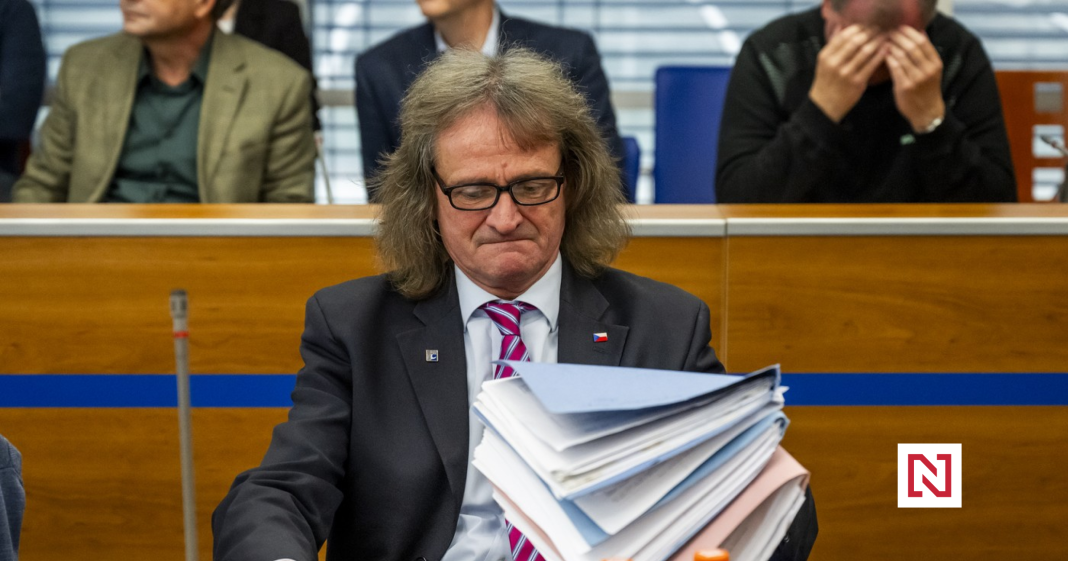

The proposal for a law change in the context of university elections has stirred debate in Prague, with VSE candidate Ševčík suggesting to exclude student participation. This move comes after an unsuccessful rector election bid, igniting discussions on the democratic process within academic institutions.
Proposed Changes to Rector Elections

Ševčík, who recently competed in the rector elections at the University of Economics, Prague (VŠE), has proposed excluding students from these critical decision-making processes. His suggestion stems from the belief that student involvement might not always serve the institution’s long-term interests, focusing instead on immediate concerns rather than strategic vision.
This controversial proposal raises questions about the role of different university stakeholders in governance. Traditionally, student participation in rector elections provides a voice to the student body, ensuring that leadership reflects diverse perspectives within the institution. Some argue that diminishing student involvement might tilt the balance towards administrative and faculty priorities.
Response from the Academic Community

The academic community’s response to Ševčík’s proposal has been mixed. Critics argue that removing students from the election process undermines a fundamental aspect of university governance. They warn that such a change could create a disconnect between university leadership and the student body, potentially leading to decisions that do not align with student needs or interests.
Supporters of the proposal, however, believe that a more streamlined decision-making process could result in more effective and visionary leadership. They emphasize that experienced academics and administrators might better understand the complexities of managing an institution like VŠE.
Legal and Procedural Implications

Implementing Ševčík’s proposal would require legislative amendments, as current Czech laws allow for significant student participation in university governance. Changing this framework would involve a comprehensive legal review and potential parliamentary approval.
Lawmakers and university officials would need to consider the impact of such a change on the university’s autonomy and democratic principles. The decision could set a precedent not only for VŠE but for other Czech universities as well, sparking a broader national debate on the governance of higher education institutions.
Historical Context and Future Considerations

Czech universities have a longstanding tradition of inclusive governance, reflecting broader democratic values established after the Velvet Revolution. Students’ rights to participate in elections are seen as a critical component of preserving these values within academic settings.
As discussions continue, Ševčík’s proposal is likely to face scrutiny not only from students but also from faculty, policymakers, and educational reform advocates. The outcome of this debate could influence future policies on academic governance in Czechia, potentially reshaping how leadership is chosen in educational institutions.
In conclusion, the call to exclude students from rector elections at VŠE highlights significant questions about the balance of power within universities and the role of democratic processes in academic settings. As the conversation unfolds, the academic community and policymakers will need to carefully weigh the potential benefits and drawbacks of such a transformative change.
Source: Official University of Economics, Prague (VŠE) website.