
The United Nations Security Council has made a pivotal decision, approving the deployment of international security forces to Gaza. This decision aims to address ongoing tensions and provide vital support to improve stability in the region.
Background of the Decision

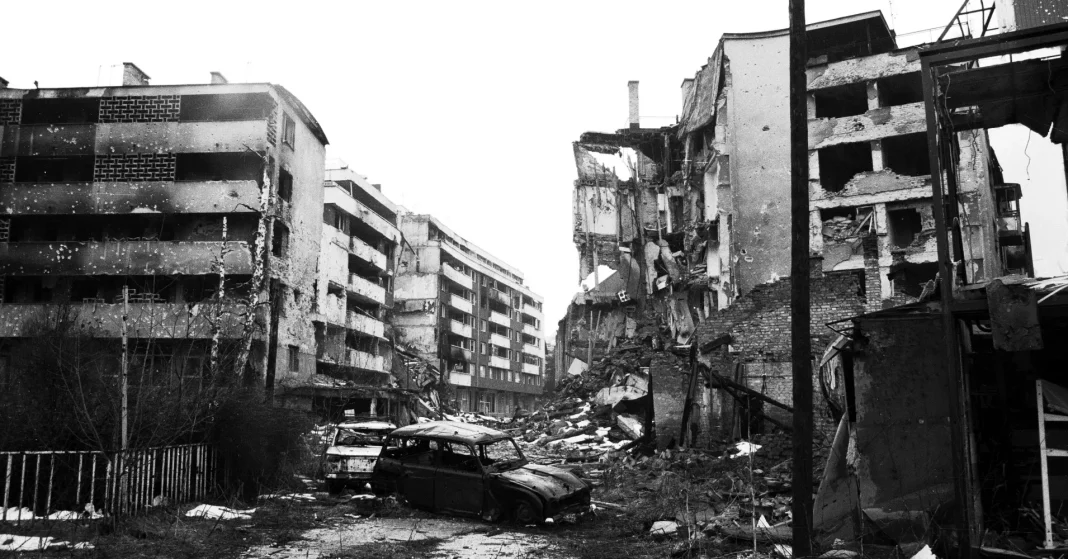
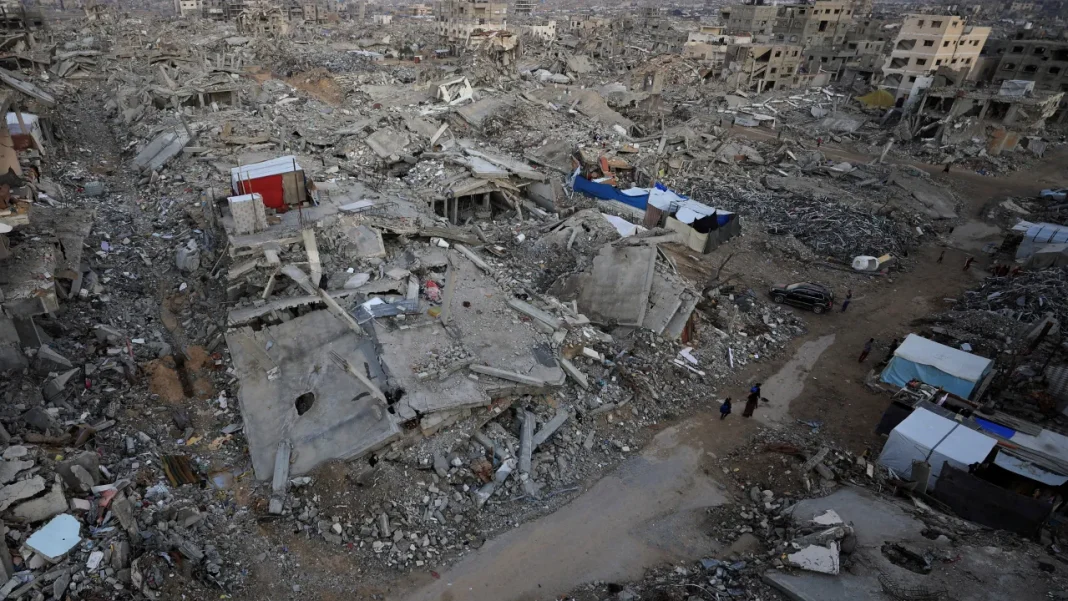
The Security Council’s resolution comes after months of escalating conflict and humanitarian concerns in Gaza. The region has experienced frequent clashes and the deteriorating situation has drawn international attention. This intervention is seen as a necessary step to restore peace and ensure the protection of civilians.
The decision to deploy security forces follows extensive discussions among UN member states. These talks were aimed at finding a sustainable solution to ensure peace in the volatile area. The resolution received broad support within the Council, highlighting the importance of collective action in conflict resolution.
Objectives of the Deployment

The primary objective of deploying international security forces is to stabilize the region and support humanitarian efforts. These forces will work in coordination with local authorities to maintain order and assist in rebuilding efforts. Their presence is expected to ease tensions and create a safer environment for residents.
Additionally, the deployment aims to facilitate the delivery of essential aid and services to those affected by the conflict. With improved security, humanitarian organizations will have better access to vulnerable populations, ensuring that critical needs are met.
Response from Global Leaders

Global leaders have largely welcomed the UN’s decision, acknowledging it as a step towards lasting peace. Various nations have pledged support for the initiative, both in terms of financial backing and offering troops to participate in the mission. This unified international response underscores the global commitment to resolving the Gaza conflict.
However, some skepticism remains, with critics questioning the effectiveness of international interventions in the past. Despite these concerns, the hope is that this deployment will lead to a more peaceful and stable Gaza.
Challenges Ahead

While the deployment is a significant step, challenges remain. Coordinating efforts among international forces and local authorities will require diplomatic finesse and consistent communication. There is also the challenge of ensuring that aid reaches those who need it most without being impeded by ongoing tensions.
Moreover, it is essential to address the root causes of the conflict to prevent future flare-ups. The international community must remain committed to long-term solutions that promote reconciliation and development in Gaza.
The decision by the UN Security Council to deploy international forces to Gaza marks a critical intervention aimed at stabilizing a troubled region. While optimistic about their impact, leaders recognize that peace is a complex process requiring sustained effort and collaboration.
Source: Official UN Security Council website.