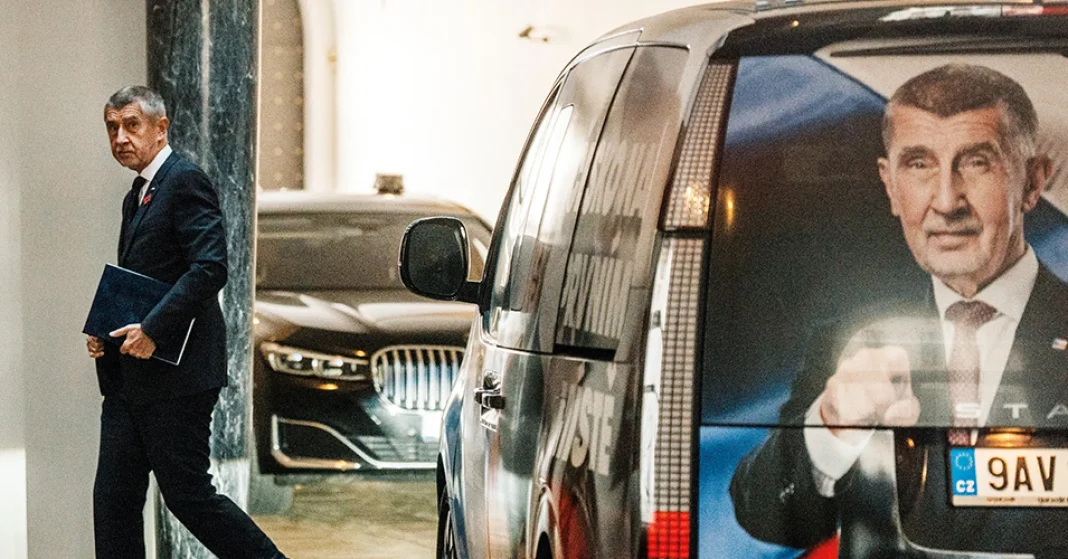

The political rivalry between Petr Pavel and Andrej Babiš continues to captivate the Czech Republic as these two prominent figures vie for influence and control. With both leaders having distinct visions for the country, the battle for the castle is far from over.
Petr Pavel: A Vision for Stability

Petr Pavel, a former military leader turned politician, has crafted a reputation built on stability and strategic thinking. Known for his calm demeanor and focus on long-term policies, Pavel promises to bring a steady hand to the leadership of Czechia. His career in the military and as former chairman of the NATO Military Committee has earned him respect and a loyal following among citizens who value security and continuity.
Pavel advocates for a strong Czech presence in international affairs, emphasizing partnerships within the European Union and NATO. His commitment to these alliances reflects his belief in sustaining Czechia’s security and global standing while addressing internal challenges.
Andrej Babiš: Populism and Economic Pragmatism

On the other side of the political spectrum, Andrej Babiš, former Prime Minister and business magnate, presents a blend of populist policies and economic pragmatism. Babiš’s leadership style is characterized by direct communication with the public and promises of rapid economic growth. His approach appeals to citizens who are eager for immediate results and tangible benefits.
Babiš has often leveraged his wealth and business acumen to influence political policies, focusing on economic reforms aimed at reducing bureaucracy and stimulating business development. His tenure as Prime Minister revealed a dynamic yet controversial figure, whose policies sometimes faced criticism, particularly regarding transparency and governance.
Key Issues and Policy Differences

The clash between Pavel and Babiš brings to light significant policy differences, especially in areas such as foreign policy, economic strategy, and governance ethics. Pavel’s emphasis on coalition-building and diplomacy contrasts with Babiš’s pursuit of nationalistic agendas and economic deregulation.
Babiš has criticized Pavel’s conservative approaches, arguing that bold changes are necessary to propel Czechia forward. Meanwhile, Pavel contends that stability and reasoned policies are vital for sustainable progress. These differing viewpoints underscore the core of their competition and the diverse preferences among Czech voters.
Impact on Czech Society and Future Elections

The ongoing rivalry between these leaders has profound implications for Czech society. Pavel’s supporters argue that his leadership would bring stability and respect in the international community, while Babiš’s followers believe in his promises of economic prosperity and swift reforms.
This political battle also sets the stage for future elections, as both leaders seek to consolidate power and rally support. Their campaigns are expected to shape public discourse, influencing voter opinions and the direction of Czech politics for years to come.
As the political landscape in Czechia evolves, the competition between Petr Pavel and Andrej Babiš remains a focal point. Their differing visions and strategies will continue to captivate the public, potentially reshaping the country’s future. In this ongoing battle for influence, Czech citizens are watching closely, aware that the outcome could define their nation’s path for generations.
Source: Official NATO website.