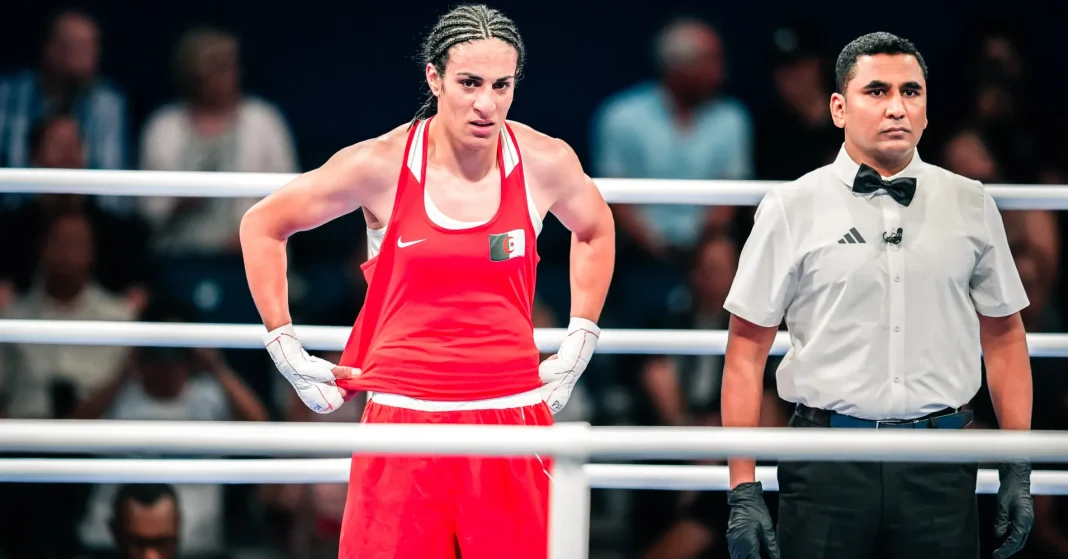

The exclusion of transgender women from the Olympics has been a hotly debated topic, igniting discussions about fairness, inclusion, and competitive advantage. As sports evolve, so too must the regulations and understandings surrounding gender inclusivity.
The History of Gender and the Olympics

The Olympic Games have long held a stringent view on gender categories, with the International Olympic Committee (IOC) establishing binary classifications for athletes. However, increased awareness of gender diversity and rights has prompted significant changes over the past decade. These changes have included the acceptance of transgender athletes, contingent upon meeting specified requirements to ensure fairness.
In 2015, the IOC issued guidelines allowing transgender athletes to participate in the Games, provided they meet particular conditions, such as hormone levels that fall within predefined ranges. Despite these advancements, the debate continues over whether transgender women have inherent advantages in sports traditionally dominated by cisgender women.
Scientific Perspectives on Biological Advantage

The discussion around physical advantage often centers on testosterone levels, a hormone typically associated with muscle mass and strength. While the IOC’s guidelines stipulate that transgender women must maintain their testosterone levels below a particular threshold, critics argue that previous exposure to the hormone might afford lingering advantages.
Several studies offer differing views; some suggest that hormone therapy can negate the physical advantages accrued during male puberty, while others maintain it does not fully equalize the playing field. This scientific uncertainty fuels the ongoing controversy and calls for further research into the biological impacts of hormone therapy on athletic performance.
Rights and Fairness in Competitive Sports

A major dimension of this debate involves the balance between ensuring fair competition and respecting the rights of transgender athletes. Proponents of inclusion argue that the exclusion of transgender athletes constitutes discrimination and violates the principles of equality and human rights.
Opponents feel that inclusion could undermine the integrity of women’s sports by allowing participants potentially with unfair physical advantages. This tension reflects broader societal conversations about the need for inclusivity versus maintaining traditional competitive standards.
Impact on the Athletes and Sports Organizations
The situation places athletes, particularly transgender women, in a precarious position, as they often face scrutiny and criticism regardless of the regulations they adhere to. This can affect their mental health, athletic focus, and public perception, complicating their professional careers.
Sports organizations are also impacted, grappling with finding a policy balance that satisfies all stakeholders. This has led some to advocate for alternate solutions, such as creating an open category in sports where gender divides are minimized.
Future Directions for Inclusivity

As the dialogue surrounding transgender athletes continues to evolve, it becomes imperative for the IOC and other sports bodies to engage in thoughtful, evidence-based policy-making. This involves ongoing dialogue with medical experts, athletes, and human rights organizations to foster a more inclusive sports environment.
Ultimately, the goal is to create a framework that upholds the spirit of competition while respecting all athletes’ rights to participate and compete fairly. As policies develop, they might serve as benchmarks for other levels of competitive sports, promoting inclusivity globally.
The debate over transgender women in the Olympics highlights the complex intersection of science, fairness, and human rights. As the sporting community seeks a path forward, it must consider innovative, inclusive approaches that respect all athletes’ identities and contributions.