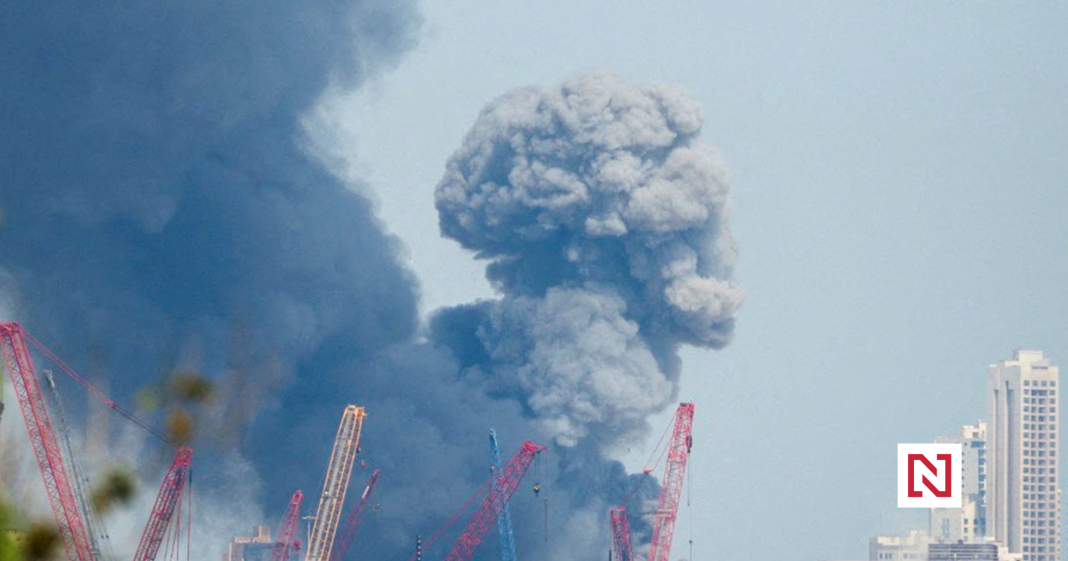

The recent situation involving an attack allegedly linked to Iran has raised significant concerns regarding international law and the support of global allies. This event has sparked debates over the role of diplomacy and the responses of countries involved in maintaining global security.
The Context of the Attack

The attack in question has been attributed to Iran by multiple sources, drawing widespread attention and prompting discussions about the implications for international relations. This development follows a pattern of tensions in the region, where diplomatic solutions have been challenging to maintain. Observers note that such actions not only destabilize local areas but also have far-reaching effects on global diplomatic ties.
With Iran’s geopolitical significance, actions attributed to it are often met with heightened responses from other nations. This situation has reignited calls for robust systems to handle accusations at an international level, ensuring that responses are measured and justified.
International Legal Implications

The attack raises essential questions about the enforcement of international law. Under the current framework, ensuring accountability often requires cooperation between countries, which can be difficult when interests do not align. Analysts suggest that existing international legal systems may need reforms to handle such situations effectively, emphasizing transparency and impartiality.
Furthermore, this incident spotlights the challenges of applying international law universally, especially when dealing with state-sponsored actions. It underscores the need for clear legal provisions that can address scenarios involving state entities without escalating conflicts.
Ally Support and Diplomatic Relations

The incident has also tested the strength of alliances and the willingness of nations to support each other in times of crisis. Countries allied with Iran might face diplomatic pressures and may have to navigate complex political landscapes to maintain their positions.
On the other hand, nations opposing Iran’s alleged actions may leverage this situation to strengthen their alliances, emphasizing a collective approach to global security. This situation presents an opportunity for allied countries to reevaluate and reinforce their commitments to mutual defense and cooperation agreements.
Future Considerations and Global Strategy

As the situation develops, it will crucially inform future strategies regarding international conflict management and prevention. Analysts stress the importance of diplomatic channels remaining open, even amid rising tensions, to prevent misunderstandings and unintended escalations.
Moreover, lessons learned from this incident could influence policy changes that aim to enhance global security mechanisms, helping to deter similar future conflicts and ensuring a safer international environment.
In conclusion, the incident attributed to Iran has tested international law and the support structures of global allies. It serves as a reminder of the delicate balance required in global diplomacy and the continuous need for effective international cooperation.