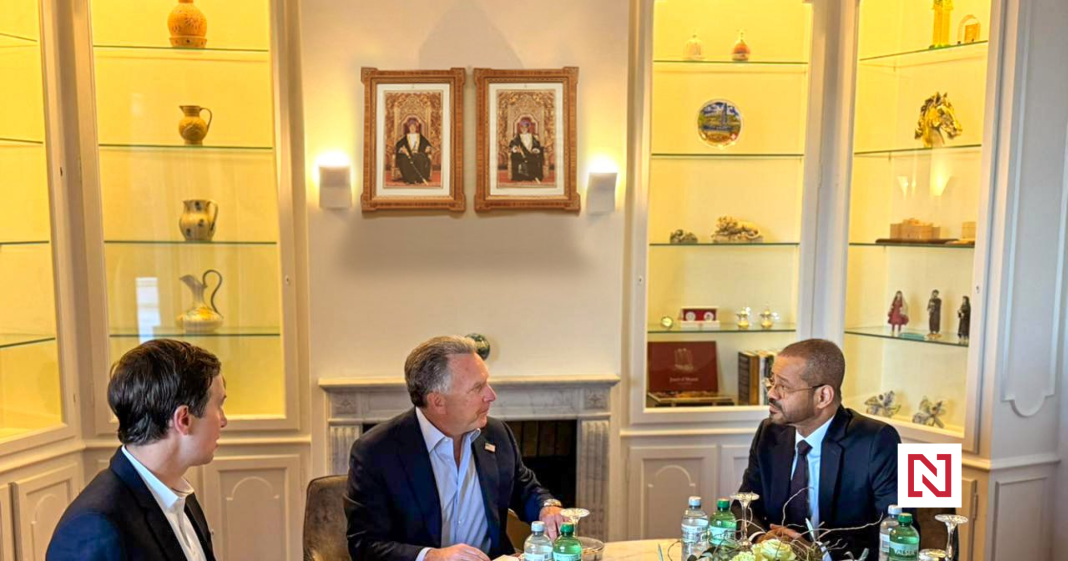

As diplomatic efforts progress between Iran and the United States, both nations appear cautious at the negotiation table. Despite positive strides, the two countries continue to evaluate the unfolding scenario strategically.
Trust and Verification: Key Discussion Points

The ongoing dialogues have been characterized by discussions focused on trust-building and verification mechanisms. Key issues include Iran’s nuclear program and the lifting of economic sanctions. Both countries have expressed a commitment to transparency, with Iran allowing more access to its nuclear facilities to global inspectors. In return, the U.S. has signaled its willingness to ease certain sanctions incrementally, contingent on Iran’s adherence to agreements.
Despite these steps, historical tensions render the trust-building process complex. The negotiations aim to secure a framework where mutual compliance can prevent regression into former hostilities. This cautious approach underscores the need for a sustainable and verifiable agreement.
Regional Implications and Reactions

The progress in talks has reverberated across the region, with several Middle Eastern nations closely monitoring the developments. Allied actors, such as the European Union, support the progress, advocating for peaceful resolutions. Concerns linger, especially in countries like Israel, which remains wary of Iran’s intentions and continues to lobby for a stringent deal that ensures regional security.
The strategic balance in the Middle East could potentially shift based on the outcome of these negotiations. A successful agreement may lead to new economic opportunities and increased regional stability, while failure could exacerbate existing tensions.
International Perspectives and Economic Consequences

On the global stage, the negotiations are seen as a bellwether for international diplomacy. European powers, alongside China and Russia, have advocated for a deal respecting both Iran’s domestic policies and international nuclear protocols. Successful talks could enhance diplomatic relations and set a precedent for handling global nuclear agreements.
Economically, an agreement could significantly impact global oil markets. If sanctions are lifted, increased Iranian oil exports might alter supply dynamics, influencing global prices. The economic ramifications could extend beyond energy, impacting bilateral trade and investment in Iran’s recovering market.
Future Prospects and Uncertainties

As dialogues continue, the future of Iran-US relations hinges on overcoming longstanding mistrust. Both nations aim to reach a consensus that is palatable on domestic and international fronts. The eventual outcome will likely depend on the diplomatic agility of both administrations, pressing for concessions while ensuring political backing at home.
The trajectory of these negotiations remains uncertain. However, the progress signals a potential thaw in decade-long hostilities, offering a glimmer of hope for improved relations and a more stable international landscape.
While the road ahead is fraught with challenges, the significant steps already taken in these talks demonstrate a mutual understanding of the benefits of diplomacy over discord. The world watches closely as these two erstwhile adversaries navigate a complex but critical path towards lasting peace.