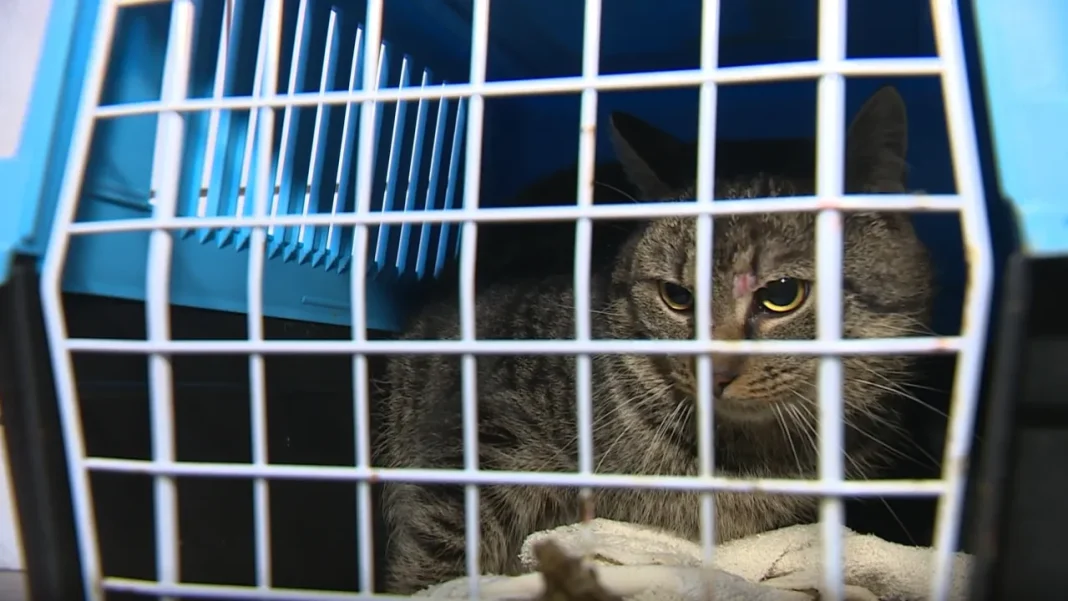

In an effort to manage the burgeoning population of stray cats in Prague, city officials have proposed new regulations mandating the capture and neutering of these animals. The initiative aims to address public health concerns and promote the welfare of both the cats and city inhabitants.
Addressing the Stray Cat Problem

The new regulation is a response to the increasing number of stray cats in Prague, which has posed challenges to the city’s hygiene and ecosystem. Stray cats often form large colonies, leading to issues such as noise and public disturbances, as well as the spread of diseases. The initiative seeks to curb these issues by requiring the humane capture and subsequent neutering of these animals, while ensuring their well-being.
Animal welfare organizations have expressed support for this initiative, highlighting the importance of reducing the stray cat population in a humane and effective manner. Through this regulation, Prague joins several other cities in implementing such programs with the hope of ensuring a better quality of life for both its human and feline residents.
Implementation of the New Regulation

The proposed regulations will be implemented in phases, beginning with the neighborhoods most affected by stray cat populations. Local authorities plan to work closely with animal welfare groups to conduct the capture and neutering operations. These efforts will include using humane traps and providing veterinary care to ensure the safety and health of the cats throughout the process.
Educational campaigns will also accompany these efforts, aiming to raise awareness among residents about the importance of the program. Informational materials will be distributed to explain the benefits of neutering and how residents can contribute by reporting stray cat sightings.
Public Reaction and Concerns

While many Prague residents welcome the new regulation, some express concerns about its execution and effectiveness. Questions have been raised about the potential impact on local wildlife, as well as the resources required to sustain the program in the long term. However, city officials assure the public that comprehensive studies and consultations have been conducted to address these issues.
Engagement with local communities is deemed essential for the program’s success. Feedback from residents is being encouraged to ensure that the measures taken are in line with public expectations and environmental considerations.
Potential Long-Term Impacts

Experts suggest that the long-term benefits of this regulation could be significant. By controlling the stray cat population, the city anticipates a reduction in related health risks and an overall improvement in community welfare. Additionally, a smaller, managed cat population can lead to better conditions for the remaining animals, with less competition for resources and fewer risks of disease transmission.
The experience gained from this initiative could also serve as a model for other cities facing similar challenges, potentially influencing policy on a broader scale. If successful, Prague’s approach could become a benchmark in urban animal welfare and public health strategies.
As the city of Prague embarks on this journey to manage its stray cat problem, it underscores a commitment to both public health and animal welfare, balancing these priorities for the betterment of its community.