
The construction of wind farms in Turkey has sparked significant debate and opposition among local communities, presenting a classic Not In My Back Yard (NIMBY) dilemma. These projects, although designed to harness sustainable energy, face resistance due to environmental, aesthetic, and social concerns.
The Rise of Wind Energy in Turkey
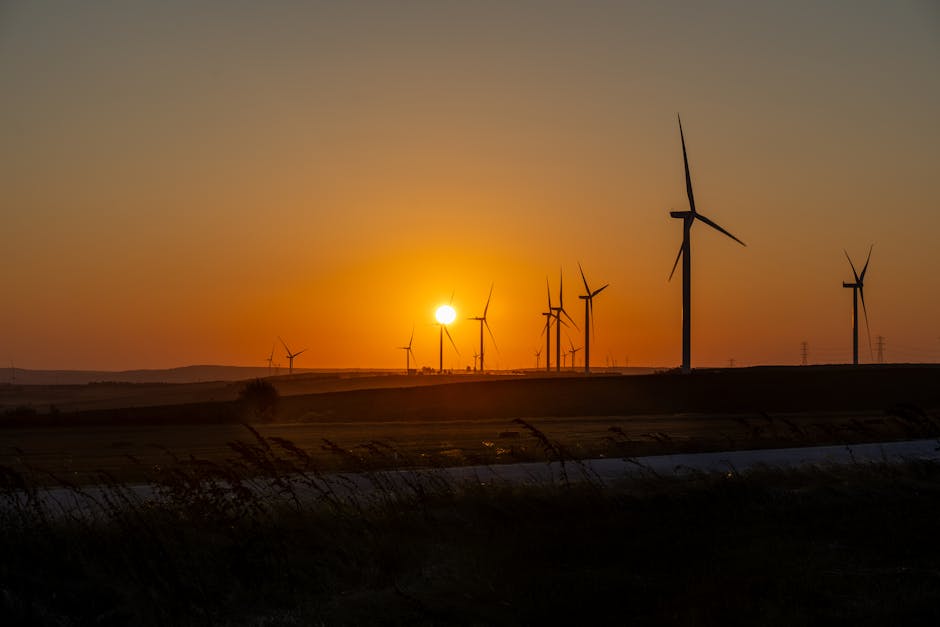
In recent years, Turkey has ramped up its investment in renewable energy projects, with wind energy taking center stage. The country’s geographical advantage makes it ideal for harnessing wind power, offering a sustainable alternative to fossil fuels. This shift aligns with global efforts to combat climate change and reduce carbon footprints.
The government has set ambitious targets for expanding wind capacity, viewing it as a crucial component of the national energy strategy. Wind farms have been planned in various regions, aiming to decrease dependency on imported energy sources and promote economic growth through domestic production.
Local Concerns and Community Opposition

Despite the environmental benefits, wind projects have ignited opposition from local communities who fear negative impacts on their daily lives. Concerns range from potential harm to local wildlife, particularly birds, to the visual intrusion on scenic landscapes traditionally relied upon for tourism and leisure.
Noise pollution is another frequently mentioned issue. Residents argue that the sound generated by wind turbines can be disruptive, affecting both human populations and wildlife habitats. These apprehensions have fueled a NIMBY movement, with local groups organizing protests and lobbying against planned developments.
Balancing Development and Environment

Finding a middle ground involves careful consideration of both environmental and community interests. Environmental impact assessments (EIAs) are crucial, ensuring that wind farms adhere to ecological standards and incorporate measures to mitigate adverse effects.
Investing in community engagement initiatives can also help bridge gaps. By involving local populations in decision-making processes, developers can build trust and create solutions that satisfy both energy needs and community interests.
Lessons from Global Precedents
Turkey can draw lessons from other countries that have successfully integrated wind energy while addressing NIMBY concerns. In Denmark, for example, community ownership models have reduced resistance by offering residents a stake in the projects, aligning financial benefits with local interests.
Transparent communication and educational campaigns can also demystify wind energy, correcting misconceptions and emphasizing its long-term benefits. By presenting wind power as a joint venture rather than an external imposition, the path towards sustainable energy can become less contentious.
As Turkey navigates its renewable energy ambitions, understanding and resolving the NIMBY dilemma remains essential. By harmonizing development with community needs, the nation can achieve its energy goals without compromising local integrity.