

The United States has approved the sale of Venezuelan oil to Cuba, marking a significant foreign policy move. This decision excludes transactions involving Venezuelan government entities, aiming to balance regional influence and humanitarian considerations.
Background of the Approval

The U.S. government’s decision comes amid ongoing efforts to address the complex relations between Venezuela and Cuba. Historically, these two nations have supported each other both politically and economically. The approval signifies the U.S.’s nuanced approach towards alleviating humanitarian issues while restricting cooperation with the Venezuelan government under Nicolás Maduro. This measure attempts to facilitate Cuban access to energy resources without empowering Venezuelan state mechanisms.
Oil transactions between Venezuela and Cuba have long been a point of contention due to international sanctions intended to pressure the Venezuelan government. However, the latest U.S. move is acknowledged as an attempt to counterbalance economic deficits caused by sanctions while simultaneously maintaining a firm stance against government entities perceived as adversarial.
Impact on Cuban Energy Supply

As an island nation with limited access to natural resources, Cuba heavily relies on external energy support. The infusion of Venezuelan oil could considerably ease the energy crisis that has resulted in frequent blackouts and rationing across the country. This development might provide much-needed relief to Cuban industries and infrastructure, which have struggled under severe resource constraints.
Nevertheless, while this could offer short-term benefits, experts caution that long-term solutions are necessary to ensure sustainable energy independence for Cuba. This includes investing in alternative energy sources and strengthening overall energy policies to minimize reliance on foreign oil imports.
Reactions from International Communities
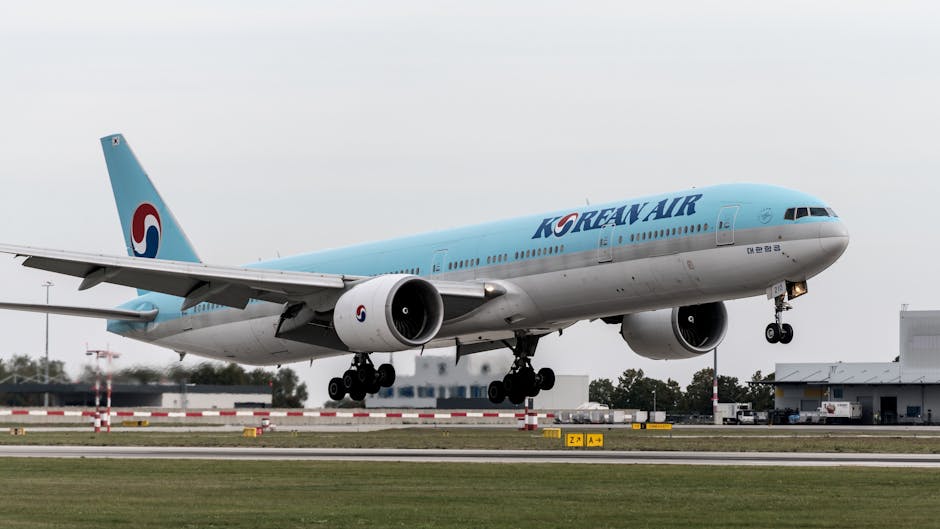
The international community has had mixed reactions to this U.S. decision. Some view it as a positive humanitarian gesture that could enhance diplomacy by mitigating regional tensions and promoting stability. Others express concerns that the decision might inadvertently support figures within the Venezuelan political landscape that could circumvent restrictions.
Additionally, this approval may set a precedent for future U.S. involvement in Latin America, highlighting the intricate balance of addressing urgent humanitarian needs without compromising political objectives. Ongoing monitoring will be crucial to assess the ramifications of this policy shift.
Future Implications for Venezuelan-Cuban Relations
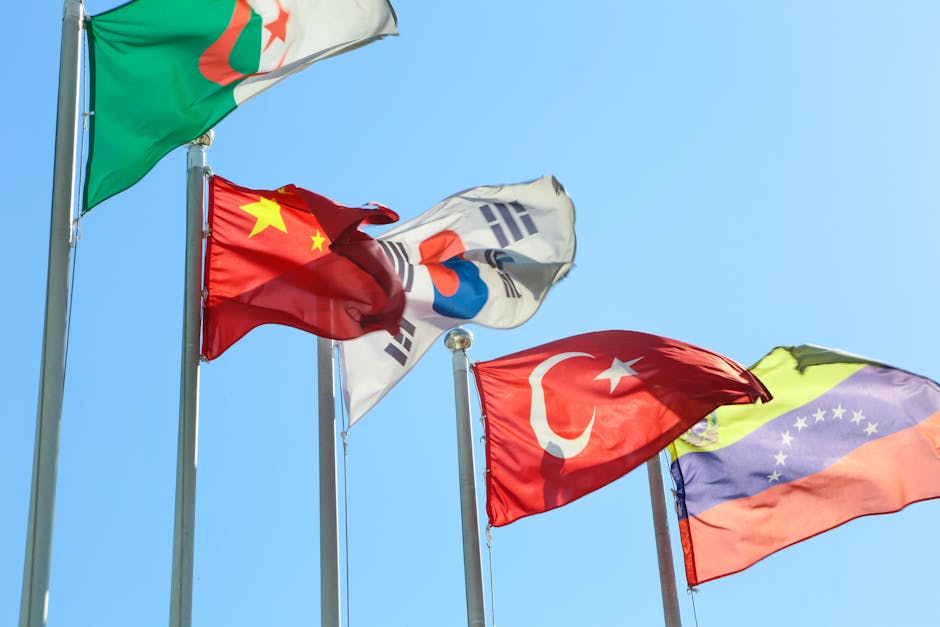
Looking forward, the decision to allow oil sales might strengthen Venezuela-Cuba ties, reinforcing a long-standing alliance rooted in mutual support against external pressures. This could also pave the way for further collaborations, particularly in sectors like healthcare and education, where both countries have historically engaged in exchange programs.
However, navigating these dynamics will require careful diplomatic engagement from all parties, with a need to reconcile economic cooperation with broader geopolitical considerations. It remains to be seen how this development will influence future U.S. foreign strategies concerning these nations.
In conclusion, the U.S. approval for Venezuelan oil sales to Cuba represents a tactical policy adjustment with potential benefits and challenges. It underscores the complexity of international relations in Latin America, seeking a delicate balance between humanitarian aid and political strategy.