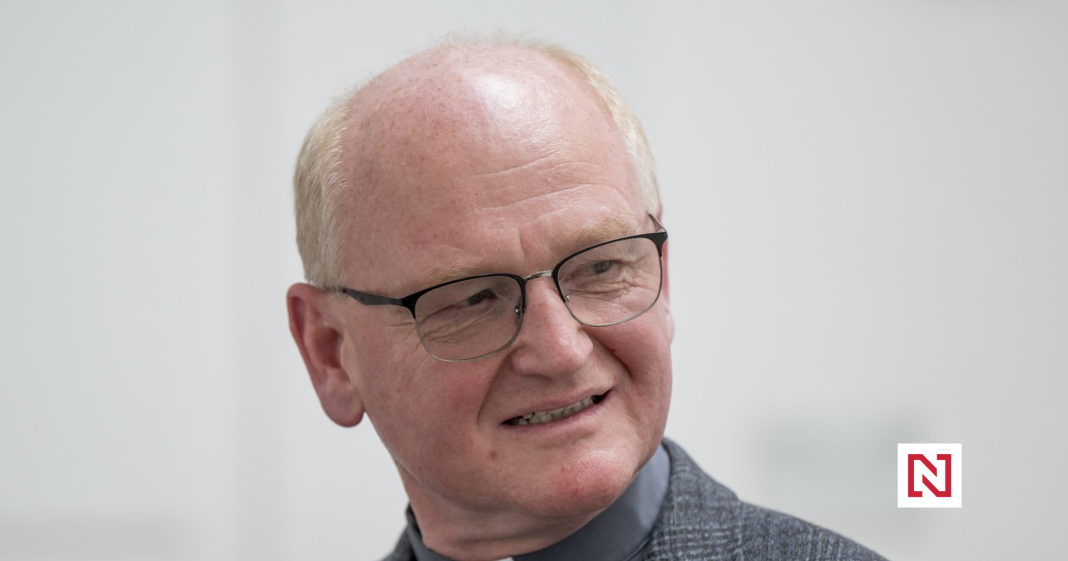

The ongoing process to elect a new dean for the Catholic Faculty in Prague has been delayed once again as Brož’s appeal significantly influenced the court’s decision. This procedural complication underscores the complexities involved in academic appointments in Czechia.
The Context of the Election

The Catholic Faculty in Prague has been without a permanent dean for several months. The election process, which was anticipated to bring stability, has been repeatedly postponed. The situation has become more complicated due to procedural objections raised by Professor Brož, a significant figure in the faculty.
Brož’s appeal challenges the fairness and transparency of the election process, leading the court to grant additional time for thorough consideration. The faculty’s staff and students are left in uncertainty as they await a resolution to this ongoing administrative dilemma.
Legal Implications of the Appeal

The appeal has brought to light various legal intricacies involved in academic governance. By influencing the court’s decision to postpone the election, Brož has highlighted potential flaws within the current procedural framework of the faculty’s administrative operations.
This development has prompted discussions about the need for reform in the university’s election procedures to ensure such delays do not occur in the future. Legal experts argue that the case may set a precedent for other faculties facing similar conflicts.
Impact on Faculty and Students

The uncertainty surrounding the dean’s election has left a tangible impact on both faculty members and students. Staff are grappling with operational challenges due to the lack of clear leadership, affecting day-to-day decision-making processes.
Students, on the other hand, are concerned about the continuity of their academic programs, especially those that require administrative approval. The delay emphasizes the vital role leadership plays in maintaining the smooth functioning of academic institutions.
The Path Forward for the Faculty
While the current delay is frustrating, it also opens up an opportunity for the university to review and possibly revamp its election procedures. Ensuring fairness and transparency in these processes is pivotal for rebuilding confidence among faculty and students alike.
Moving forward, the faculty needs to engage in open dialogue with all stakeholders to address concerns and streamline future elections. Establishing clearer guidelines and strengthening internal governance could prevent similar situations from arising.
As the university enters this transitional period, the focus remains on upholding academic standards and ensuring educational excellence despite the ongoing administrative hurdles. The resolution of this issue holds significant implications for the future governance of the institution.
Source: Official Catholic Faculty website.