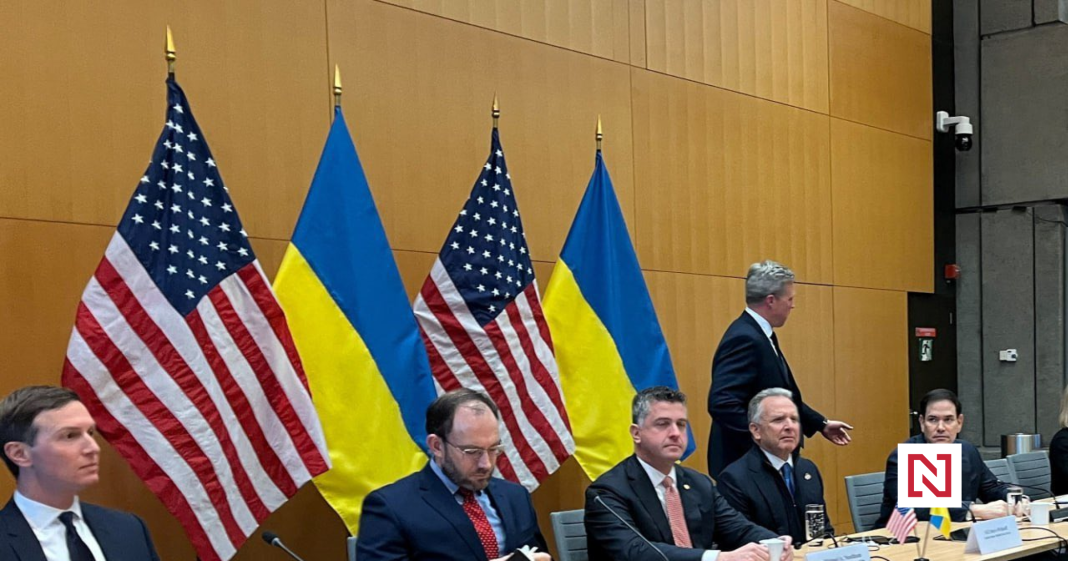

The intricate dynamics of international diplomacy often lead to fascinating developments on the global stage. A recent incident involving the U.S. President and Russian President Vladimir Putin has captured widespread attention, sparking discussions on how world leaders influence each other.
The Meeting That Raised Eyebrows

In a surprising turn of events, the U.S. President held an unscheduled, private meeting with Russia’s President, Vladimir Putin. The details of this meeting, while not fully disclosed, have raised questions about the topics discussed. Analysts believe that the conversation likely involved critical geopolitical issues, with Russia playing a key role in ongoing international conflicts.
Speculation suggests that Putin may have leveraged specific intelligence or strategic proposals to sway the U.S. President’s stance on certain matters. The significance of such discussions cannot be understated, given the complex interplay of power between these two nations.
Motivations Behind the Influence

One central question is why the U.S. President was open to influence from Putin. Experts in diplomatic relations point to Russia’s strategic capabilities and its role in global energy supplies as potential motivators. Maintaining a working relationship with Russia could be seen as beneficial for economic and security reasons.
The potential for collaboration on pressing global issues, such as climate change, terrorism, and cyber security, may also have driven the U.S. President to engage in more open dialogue with his Russian counterpart. Both nations, while at odds on many fronts, share common interests that necessitate cooperation.
Impact on Global Relations
This development has had a ripple effect across international relations, prompting reactions from allies and rivals alike. European nations, in particular, are closely monitoring the situation, as their security and economic frameworks are significantly influenced by U.S.-Russia dynamics.
Furthermore, this incident could reshape alliances and prompt reevaluations of diplomatic strategies among other global powers. The ability of one leader to influence another on the world stage underscores the fluid nature of international power structures.
Future Implications and Observations

As observers continue to dissect the meeting’s implications, questions remain about future interactions between the two nations. Will this newfound dialogue lead to lasting cooperation or is it merely a temporary alignment of interests?
Moving forward, it is crucial for other international players to adapt to the shifting political landscape. How the U.S. balances its relationship with traditional allies alongside potential cooperation with Russia will be pivotal in shaping future global policies.
In conclusion, while the exact details of how the U.S. President was convinced by Putin remain a mystery, the incident highlights the intricate dance of diplomacy on the global stage. The outcomes of such engagements have lasting impacts, influencing not just the relationship between two nations, but the broader geopolitical order as well.