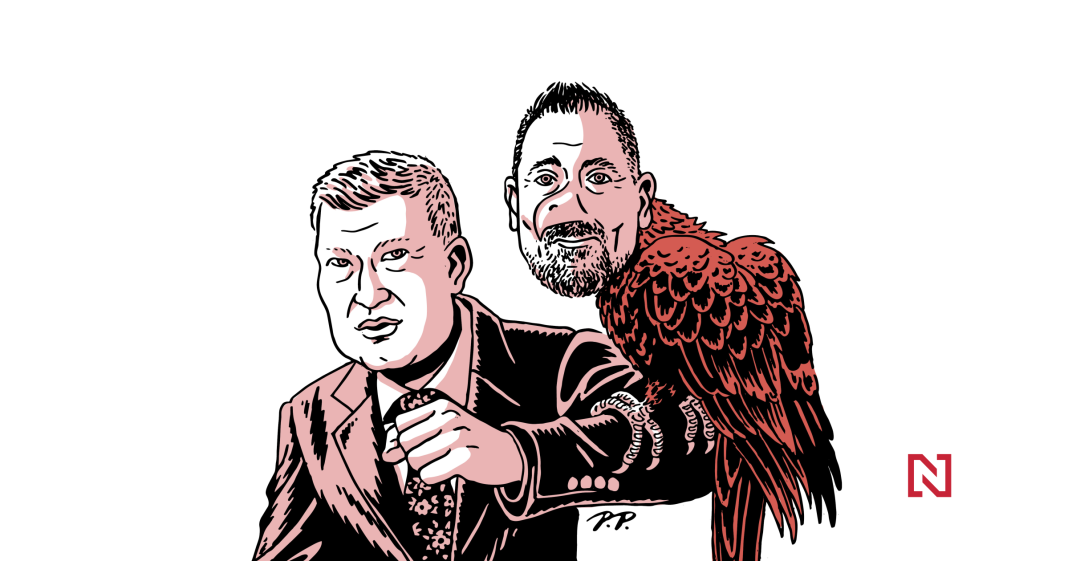

In a significant development in Prague’s political landscape, the newly appointed Transport Minister has been making waves by challenging the prevailing green policies that have dominated the European agenda. His collaboration with Turkey marks a strategic alliance aimed at reshaping transport initiatives in the region.
Background of the New Transport Minister
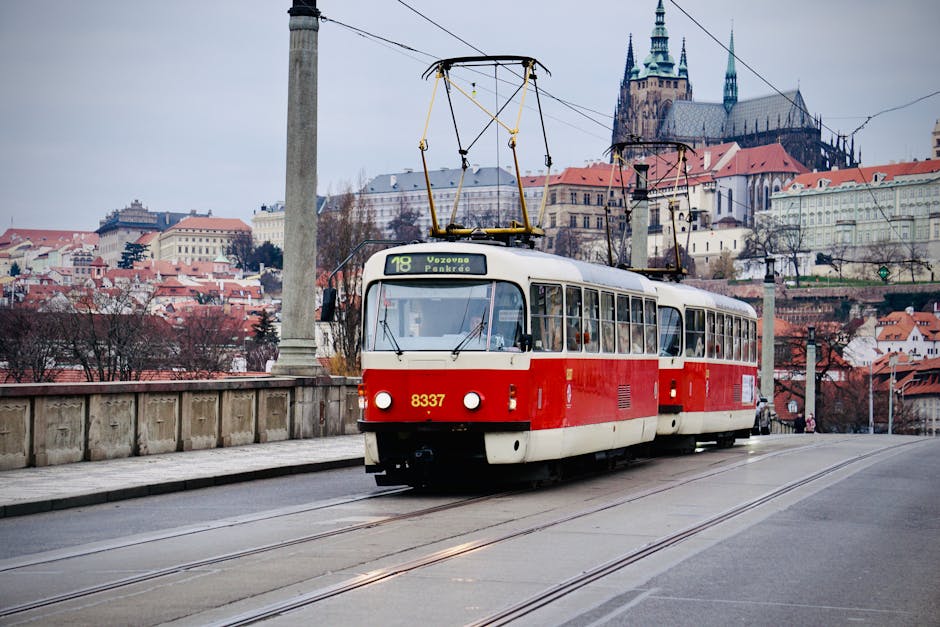
The new Transport Minister, known for his pragmatic approach, brings with him years of experience in infrastructure and logistics. His appointment signals a shift in priorities towards more economically sustainable policies. His background in engineering and management has equipped him with the necessary skills to oversee complex transport projects.
His stance against certain green policies, he argues, is not a rejection of environmental consciousness but rather a call for balance. He believes that economic considerations should align with environmental initiatives to ensure robust infrastructural development.
With a focus on pragmatic solutions, the Minister aims to safeguard the interests of both local economies and the environment, considering the unique challenges faced by regions like Prague.
Alliance with Turkey

The strategic partnership with Turkey is a cornerstone of the Minister’s new policy direction. Turkey, due to its geographical position, serves as a pivotal transit hub bridging Europe and Asia. This alliance is expected to enhance connectivity and trade routes between Central Europe and Turkey, promoting mutual economic growth.
Collaborations are underway to develop joint infrastructure projects, such as high-speed rail links and improved highway networks. These are designed to streamline transport logistics and reduce transit times, ultimately boosting trade.
Furthermore, this partnership seeks to leverage Turkey’s growing technological advancements in transport, aiming for a collaborative outlook that merges innovation with practical solutions.
Challenges to Green Ideology
The Minister’s approach to challenging current European green policies involves reassessing regulations that may hinder economic development. He emphasizes the need for policies that do not disproportionately affect industries critical to national economies.
One area of focus is the reduction of certain stringent emissions standards that are deemed unrealistic. The Minister argues for achievable targets, backed by research, to ensure industries can both comply with environmental goals and sustain productivity.
This position has sparked debate, with environmental groups raising concerns, but it has also opened discussions on how to harmonize economic growth with ecological responsibility.
Implications for Prague and Beyond
For Prague and Czechia, this policy shift could mean increased investment in transport infrastructure and improved international connections. The potential for enhanced global trade links is significant, promising economic benefits for the region.
By advocating for a balanced approach, the Transport Minister seeks to position Prague as a central hub for trade and logistics in Europe. This includes modernizing public transport and ensuring that road networks are fit for future demand.
As discussions continue, the focus remains on ensuring that these policies align with European Union standards while addressing local needs.
The new Transport Minister’s initiatives may redefine the transport landscape in Europe, promoting a balanced approach that takes into account both environmental and economic priorities.