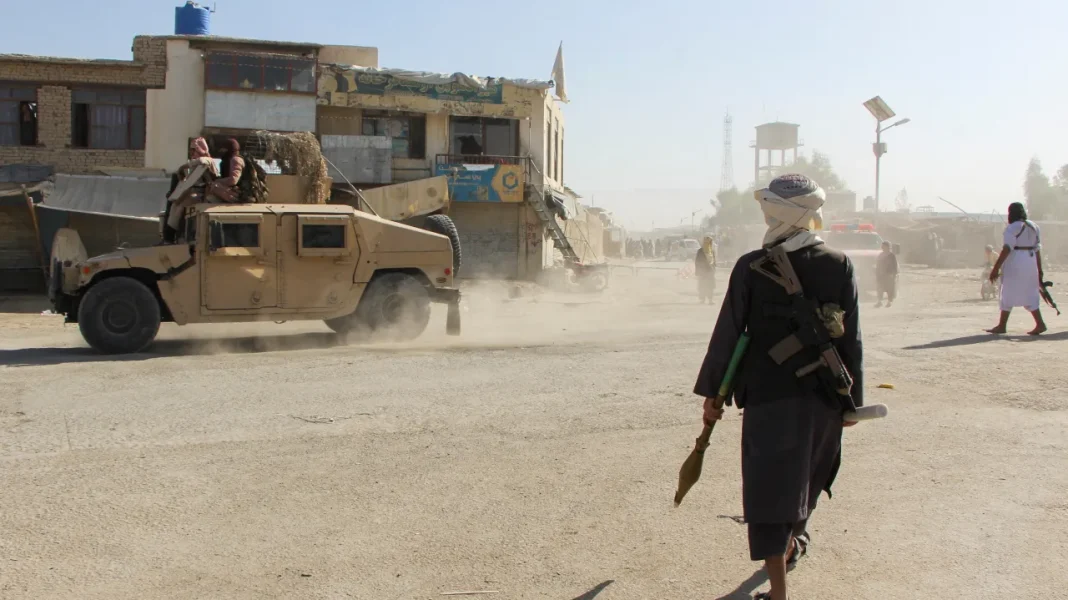

Pakistan recently conducted military strikes targeting militant groups along its border with Afghanistan, an area often plagued by tensions and instability. These operations highlight ongoing regional security concerns and the complexities surrounding cross-border terrorism.
Background of the Strikes

The region along the Pakistan-Afghanistan border has long been a hotspot for militant activity, with various groups operating in the mountainous terrain. Pakistan’s military action aims to dismantle these networks, which have posed substantial threats to national and regional stability. Historically, both countries have faced challenges in securing the border, which stretches over 2,600 kilometers.
The recent strikes were reportedly aimed at neutralizing high-value targets associated with insurgent groups responsible for attacks on Pakistani soil. These operations demonstrate Pakistan’s ongoing efforts to enhance border security and reaffirm its commitment to combating terrorism.
Impact on Regional Relations

The strikes have brought renewed attention to the delicate relationship between Pakistan and Afghanistan. Both nations have often exchanged accusations over harboring militants, complicating diplomatic ties. The Afghan government has repeatedly called for cooperative security measures, while Pakistan stresses the need for a concerted effort to address cross-border terrorism.
These tensions underscore the broader geopolitical dynamics in the region, influencing not only bilateral ties but also involving international stakeholders interested in regional peace and security.
Response from Afghanistan and International Community

The Afghan government has expressed concerns over unilateral military actions near its borders, advocating for collaborative strategies to combat the militant threat. However, Pakistan’s actions are seen as part of a defensive strategy to protect its national interests.
International forums have often highlighted the importance of a cohesive regional approach to terrorism, urging both countries to engage in dialogue and cooperation. Global players, particularly those invested in Afghanistan’s stability post-US withdrawal, are closely monitoring the situation.
Future Implications

The continuation of such strikes could lead to increased tension along the border, potentially escalating into wider conflict if diplomatic avenues are not pursued. However, effective military operations against well-entrenched militant networks might pave the way for stronger border management and mutual security initiatives.
Balancing military actions with diplomatic efforts will be crucial in maintaining stability and ensuring long-term peace in the region. Observers suggest that greater international involvement could facilitate communication and cooperation between the neighboring states.
In conclusion, Pakistan’s recent strikes along the Afghan border highlight the ongoing battle against militancy in the region. These operations underscore the immediate security challenges while also reinforcing the need for international cooperation and regional dialogue to achieve lasting peace.