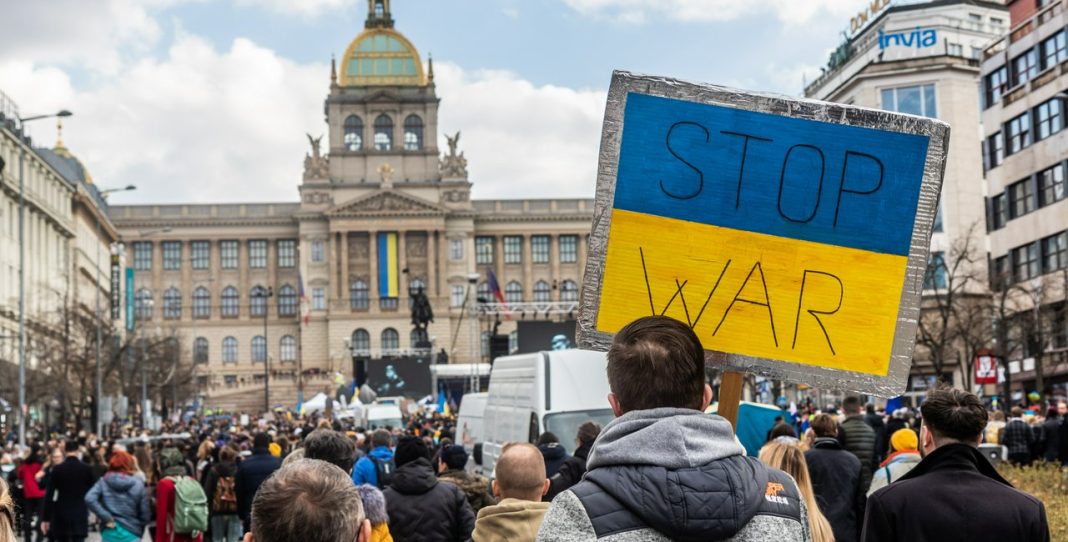

In the wake of political changes and evolving geopolitics, Czechia’s stance on the Ukrainian crisis has caught the eye of both local and international observers. Four years after Russia’s invasion of Ukraine, speculation abounds about any shifts in Czechia’s foreign policy.
Historical Context of Czechia’s Position

Czechia has been a steadfast supporter of Ukraine since the initial invasion by Russia in 2014. As a member of both the European Union and NATO, Czechia has actively participated in sanctions against Russia and has voiced its support for Ukraine’s territorial integrity. This approach aligns with its broader foreign policy that emphasizes democracy and international law.
In the years following the invasion, Czech authorities have consistently reinforced their commitment to Ukraine through diplomatic support and humanitarian aid. High-level visits from Czech officials to Kyiv have underscored the importance of maintaining a strong bilateral relationship, with emphasis on supporting Ukraine’s sovereignty and reform processes.
Economic and Military Support

Czechia has contributed significantly to Ukraine’s defense capabilities by providing military equipment and training. This support has been crucial in helping Ukraine bolster its defense against ongoing threats. Military aid, coupled with financial assistance, has affirmed Czechia’s role as a reliable ally in the region.
Additionally, the Czech government has engaged in various economic projects with Ukraine, aiming to strengthen economic resilience in the face of external pressures. These initiatives not only assist Ukraine but also foster regional stability, which is a key aspect of Czech foreign policy.
Internal Political Dynamics

Domestically, Czechia’s approach to Ukraine has sometimes been a topic of debate. Different political parties and leaders have expressed varying levels of support for Ukraine, influenced by both international alliances and economic interests. However, the prevailing sentiment among the majority remains in favor of supporting Ukraine.
Public opinion in Czechia often reflects these political divides, yet surveys indicate a general consensus on the necessity of supporting Ukrainian sovereignty. This popular support has played a critical role in shaping government policies regarding the ongoing conflict.
Future Prospects

Looking ahead, it is expected that Czechia will continue to maintain its supportive stance towards Ukraine, although the dynamics of this relationship may evolve with future political developments. The upcoming elections and changes in EU leadership could influence Czech foreign policy, potentially altering its approach to the Ukraine crisis.
Meanwhile, Czechia’s commitment to international cooperation in resolving the crisis remains steadfast. Continued collaboration with EU partners and NATO allies will likely be pivotal in determining future strategies and interventions.
In conclusion, while certain nuances in Czechia’s approach to Ukraine may have shifted over the years, the fundamental support for Ukrainian sovereignty and independence remains unchanged. The ongoing collaboration on military, economic, and diplomatic fronts underscores the enduring alliance between the two nations.