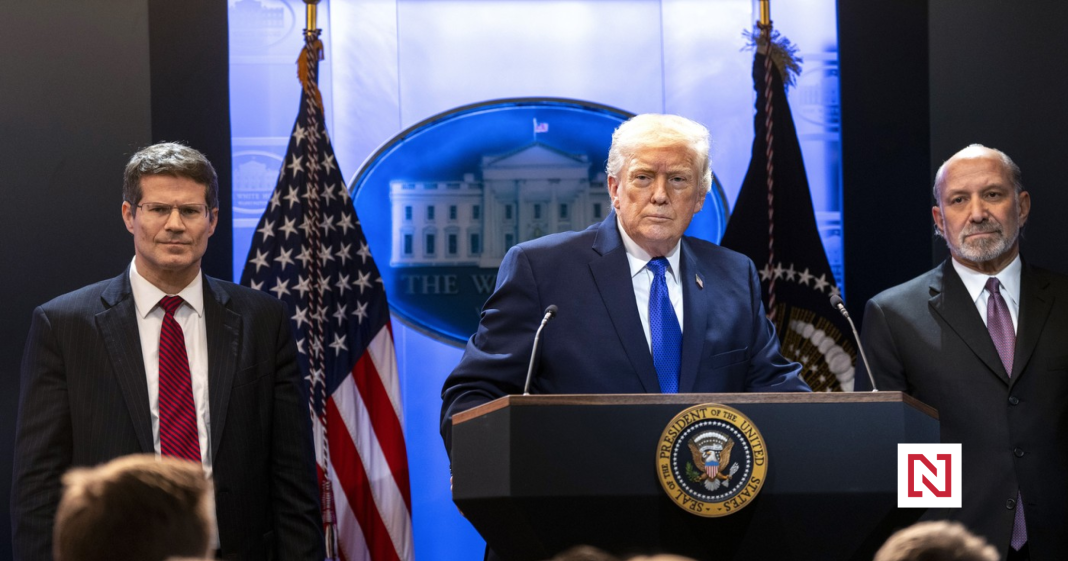

The political landscape shifted dramatically as former U.S. President Donald Trump faced a significant setback, with repercussions likely affecting tariffs, forthcoming U.S. elections, and the European Union’s relations with the United States.
Impact on Tariff Policies

Under Trump’s administration, the U.S. implemented a series of tariffs aimed primarily at China, but these measures also affected transatlantic trade relations. The recent setback may prompt a reevaluation of these policies, potentially leading to a relaxation of tariffs previously imposed on European imports. This shift could alleviate tensions between the U.S. and the EU, fostering a more cooperative economic relationship moving forward.
The possibility of tariff adjustments is crucial for industries on both sides of the Atlantic. European exporters, who were adversely impacted by American tariffs, might see an opportunity for increased market access. Conversely, American consumers and industries that rely on European goods might benefit from lower prices and improved supply chain stability.
Implications for U.S. Elections

Trump’s political influence remains a formidable force within the Republican Party. However, the recent setback could alter his position and sway among voters. Republican candidates must now decide whether to align themselves closely with Trump’s policies or seek a more moderate path to appeal to a broader electorate in upcoming elections.
The electoral implications extend beyond the Republican Party. Democrats and independents might focus on capitalizing on this setback to strengthen their campaigns, possibly reshaping the narrative around the economic and international policies dictated during Trump’s presidency. This dynamic could heavily influence voter sentiment and turnout, making the upcoming electoral cycle particularly unpredictable.
EU-U.S. Relations at a Crossroads
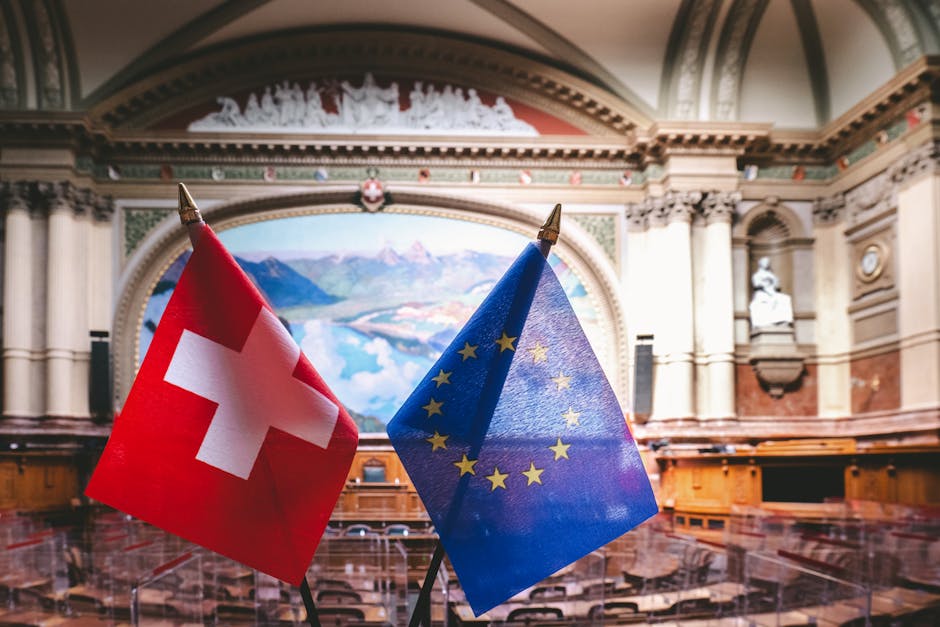
The European Union has long sought a more stable and predictable partner in the United States. With Trump’s influence waning, there may be renewed opportunities for diplomatic and economic collaboration between the two entities. This could lead to enhanced cooperative efforts in addressing global challenges such as climate change, trade disputes, and security issues.
A positive shift in relations might also result in new trade agreements, increased investment, and technological exchanges. The EU is likely to push for policies that emphasize mutual benefits and shared values, drawing on historical ties while navigating contemporary geopolitical challenges.
Future Prospects and Challenges

While the setback presents both opportunities and challenges, the future trajectory will largely depend on the interplay of political forces within the U.S. and the EU’s ability to engage constructively. Stakeholders must consider the broader implications of changing U.S. policies and their potential to redefine global alliances.
However, challenges remain, particularly in delineating clear and mutually beneficial strategies that account for complex global economic conditions. Both the U.S. and EU face domestic pressures that could influence their diplomatic strategies. Hence, ongoing dialogue and flexibility will be crucial to bridging differences and crafting sustainable policies.
The evolving scenario between Trump, the U.S., and the EU symbolizes a pivotal moment, whose resolution could decisively influence international relations and economic paradigms.
Source: Official European Union website.