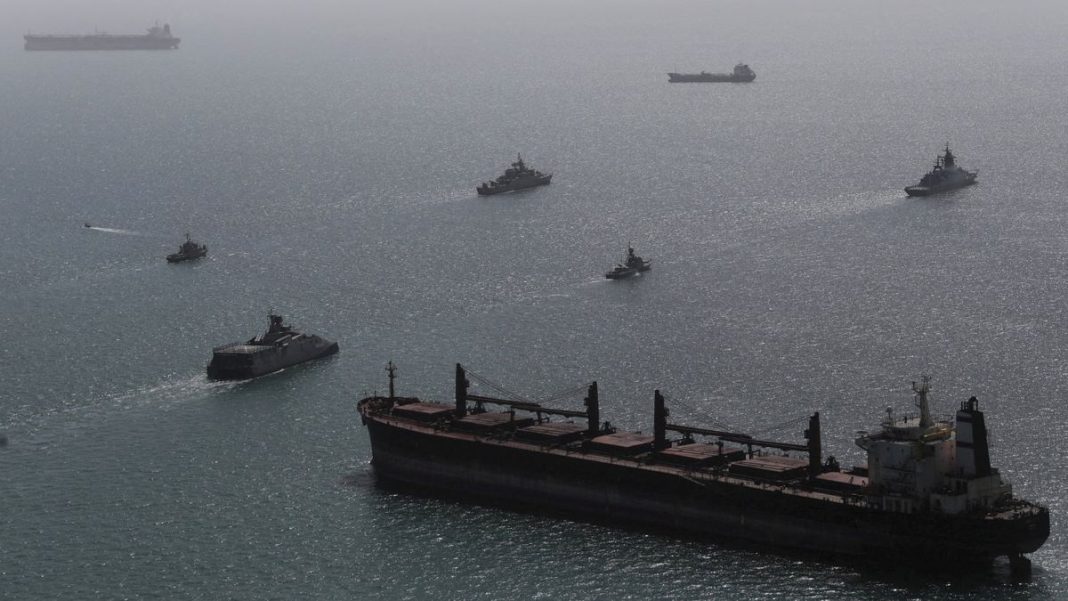

In an effort to prevent escalation in the Middle East, former U.S. President Donald Trump is reportedly seeking a diplomatic solution to tensions with Iran. As the intricacies of these geopolitical negotiations unfold, analysts are weighing in on Iran’s strategic limitations and potential outcomes.
Background on U.S.-Iran Relations

The relationship between the United States and Iran has been fraught with tension for decades, punctuated by moments of diplomacy and conflict. Under Trump’s administration, tensions intensified with the withdrawal from the Joint Comprehensive Plan of Action (JCPOA) in 2018. This nuclear agreement, designed to limit Iran’s nuclear capabilities in exchange for alleviated sanctions, was a cornerstone of previous diplomatic efforts.
Trump’s decision to abandon the deal led to a series of retaliatory actions from Iran, including resuming certain nuclear activities. The former president’s strategy often combined fierce rhetoric with economic sanctions, bringing the two nations to the brink of conflict on multiple occasions.
Despite these challenges, diplomatic channels have remained open, albeit intermittently. Analysts suggest Trump’s interest in seeking a deal may be an attempt to bolster his foreign policy legacy, as successful negotiations could lead to a more stable Middle East.
The Current Diplomatic Landscape

With regional stability hanging in the balance, Trump’s outreach efforts focus on preventing Iran from crossing perceived red lines that could spark military conflict. Backchannel communications have reportedly been re-established to create an environment conducive to dialogue.
Experts argue that any potential deal would likely necessitate mutual concessions. For the U.S., easing economic sanctions could be a valuable bargaining chip. Meanwhile, Iran may need to demonstrate increased transparency in its nuclear activities to reassure international observers.
In these high-stakes negotiations, both nations have significant incentives. For the U.S., averting military engagement and fostering regional stability are primary goals. For Iran, relief from crippling sanctions could bolster its struggling economy and citizen welfare.
Iran’s Strategic Constraints

Despite its assertive posture, Iran faces several internal and external constraints. Economically, U.S.-imposed sanctions have heavily impacted critical sectors, including oil exports and foreign trade. This economic pressure has eroded public support for the government, fueling domestic unrest.
Moreover, Iran’s geopolitical environment is shaped by complex relationships with neighboring countries. The nation’s influence in regional conflicts—such as those in Syria and Yemen—is a point of contention and potential leverage in negotiations with the U.S.
Analysts point out that Iran must carefully navigate these constraints to avoid exacerbating its internal challenges. Engaging with the U.S. diplomatically could thus offer a path to diminished international isolation while addressing pressing domestic issues.
Implications for Future U.S. Policy

Should Trump successfully secure a deal with Iran, it could have lasting implications for future U.S. administrations. A durable agreement might redefine American strategies in the Middle East, emphasizing diplomacy over confrontation.
However, the path to lasting peace is fraught with challenges. The deeply rooted distrust between the two nations means any agreement must include robust verification mechanisms and be resilient to political shifts.
Understanding these dynamics is crucial for policymakers. The potential for a breakthrough, should it materialize, could reshape the geopolitical landscape, not just bilaterally but regionally and globally.
As the situation develops, stakeholders will closely monitor how these negotiations might influence broader international relations and security frameworks.
Source: Official JCPOA information from the U.S. Department of State website.