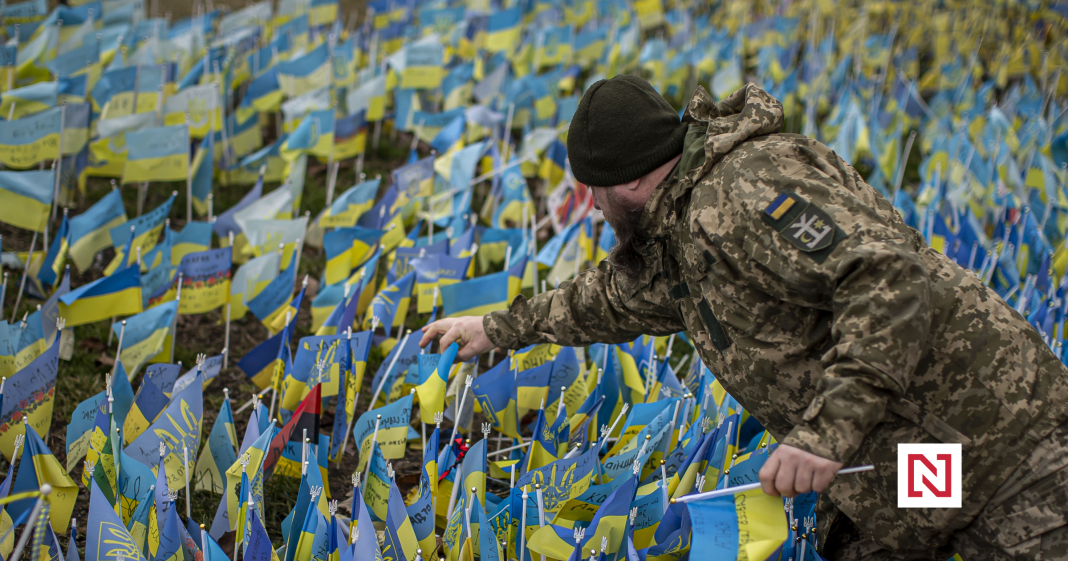

In the four years since hostilities began in Ukraine, what was once considered unimaginable has become part of everyday life. The world has watched and, in many cases, normalized the ongoing conflict, even as the humanitarian toll continues to rise.
The Escalation of Conflict

Since its inception in 2014, the conflict in Ukraine has escalated beyond initial expectations. What began as localized unrest in areas like Crimea quickly spread into a full-scale conflict affecting eastern regions such as Donetsk and Luhansk. Despite various ceasefire agreements, international mediation efforts, and sanctions, fighting has persisted with devastating effects on the civilian population.
The complexities of the situation have made resolution challenging. International bodies like the United Nations have repeatedly called for diplomatic solutions, yet the geopolitical stakes have continuously hindered progress. Russia’s annexation of Crimea and its support for separatists in Eastern Ukraine have been particular flashpoints, contributing to a volatile and complex geopolitical landscape.
Humanitarian Impact

The humanitarian impact of the conflict has been profound. According to the United Nations, thousands have lost their lives, while millions have been displaced. Many who remain in the conflict zone face exposure to violence, lack of basic necessities, and disrupted livelihoods. Aid organizations have struggled to provide sufficient support amid persistent violence and logistical challenges.
Local communities have been fractured, with families separated and infrastructure severely damaged. Schools, hospitals, and essential services have been targeted or caught in crossfire, exacerbating the plight of everyday civilians. Such conditions have brought chronic stress and trauma, altering the social fabric of affected areas.
International Response
The international community’s response to the Ukraine crisis has been multifaceted, ranging from economic sanctions on Russia to humanitarian aid efforts. The European Union and countries like the United States have imposed strict sanctions aiming to pressure Russia into compliance with international law and to deter further aggression.
Despite these measures, critics argue that international responses have been insufficient to deter ongoing hostilities. Moreover, geopolitical interests often overshadow humanitarian considerations, complicating coordinated efforts to address the crisis holistically. International mediation has at times offered hope, but lasting solutions remain elusive.
The Normalization of Conflict

As the conflict drags on, there has been an unsettling normalization of the crisis both locally and globally. For many living in affected areas, daily life revolves around navigating military checkpoints, sheltering from shelling, and enduring economic hardships. The international community, while often vocal in support, has gradually accepted the conflict as a long-term reality.
Media coverage has also fluctuated, with major news outlets shifting attention based on other global events. As coverage wanes, so too does the sense of urgency among the global audience. This normalization risks breeding apathy and diminishing the global push for resolution and aid.
In conclusion, while the conflict in Ukraine has become a part of the world’s status quo, its humanitarian and geopolitical impacts necessitate continued global attention and action. Genuine diplomatic engagement and sustained support for affected populations are essential to break the cycle of normalization and work toward lasting peace.