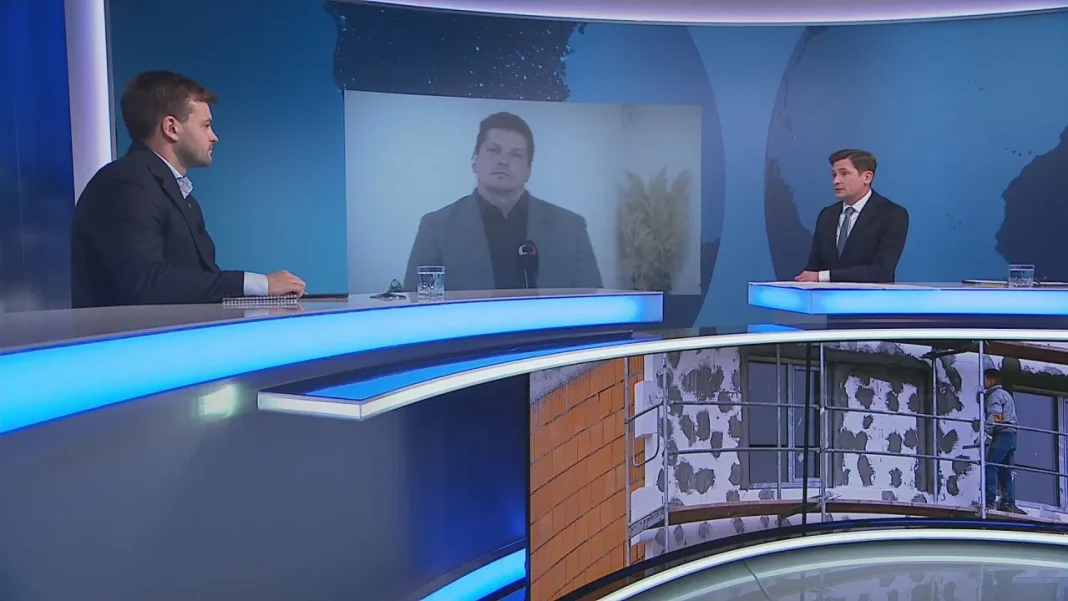

The political landscape in Czechia is currently under scrutiny as debates arise over the relevance of certain governmental positions. A recent controversy involves the potential redundancy of positions within the coalition agreement, specifically focusing on Turk’s role and remarks made by Paril and Chinchilla regarding the matter.
The Debate Over Turk’s Position

The discussion about the necessity of Turk’s position in the government has caught the attention of political commentators and the general public alike. The position is being questioned by Paril, who has cited the coalition agreement as a basis for re-evaluation. According to Paril, streamlining processes and ensuring efficiency within governmental operations should be a priority, raising questions about the duplication of roles.
Chinchilla, on the other hand, has vehemently defended the position, arguing its importance in maintaining strategic oversight and representing specialized interests adequately in governmental decisions. Chinchilla points out that removing or reducing Turk’s role could lead to gaps in expertise and representation.
Understanding the Coalition Agreement

At the heart of the debate is the coalition agreement, which serves as the foundational document outlining roles, responsibilities, and the distribution of power among coalition members. It is meticulously designed to balance interests among different parties and ensure democratic governance. However, as the political climate evolves, so too does the interpretation of this agreement, often leading to contentious discussions.
Supporters of the agreement emphasize its importance in providing a clear framework for governance and stability. Any alterations to established positions can lead to shifts in alliances and priorities, affecting the overall political dynamics in Czechia.
Public and Political Reactions

The debate has sparked a range of reactions from the public and political circles. Many citizens and political analysts view the discussion as a necessary part of a healthy democracy, where accountability and transparency are prioritized. Yet, there are concerns about potential political motives behind the challenge to Turk’s role.
Politicians across the spectrum have weighed in, with some urging for a comprehensive review of governmental roles to improve efficiency, while others warn against hasty decisions that could destabilize current political arrangements.
Future Implications

As the debate continues, the potential outcomes could have significant implications for the current government and its coalition members. Should changes be implemented, it could set a precedent for future evaluations and restructuring within government agencies.
It is essential for decision-makers to consider the far-reaching consequences of their actions, balancing the need for modernization with the preservation of effective governance structures. Whether Turk’s position will remain or be redefined, the process acts as a reminder of the fluid nature of political positions and the ongoing need for adaptive governance.
In conclusion, the conversation surrounding Turk’s governmental role echoes broader themes of efficiency and modernization within political systems. It serves as a catalyst for potential change, reflecting the dynamic nature of political alliances and the importance of strategic governance.