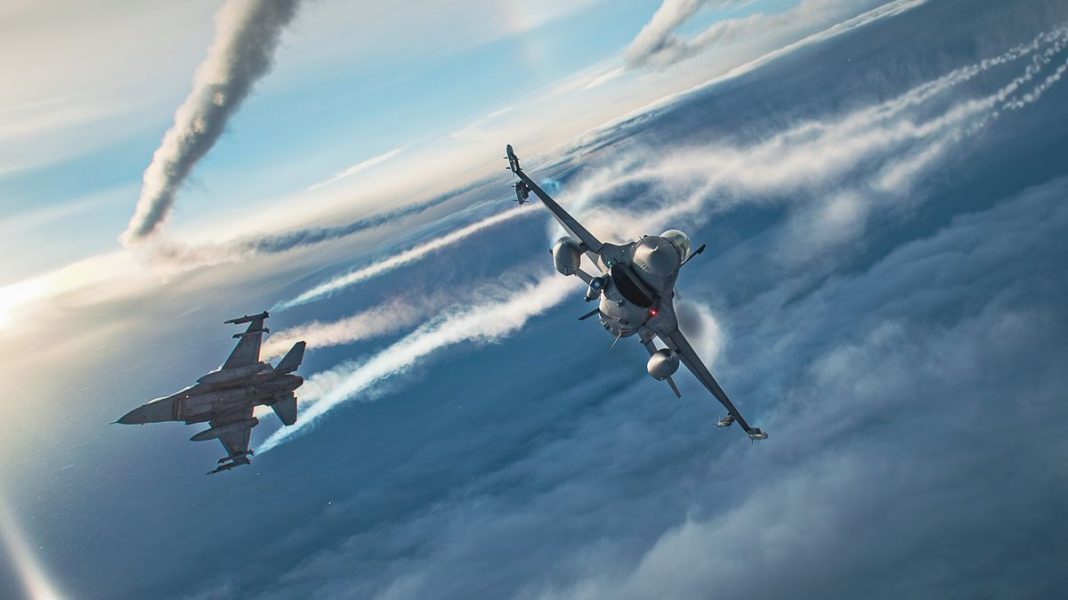

In a recent development, the US military made headlines by escorting Russian aircraft near the Alaskan airspace. This incident reflects the ongoing tensions and military vigilance between the United States and Russia, two nations involved in complex geopolitical dynamics.
Details of the Incident

According to US defense officials, on [date], the US military detected and tracked several Russian aircraft as they approached the Air Defense Identification Zone (ADIZ) off the coast of Alaska. The planes did not enter US or Canadian sovereign airspace. However, US fighter jets were mobilized to identify and escort the aircraft, which is standard protocol for such incidents.
The Russian planes involved were a mix of fighters and reconnaissance aircraft. This type of activity has been seen as routine, with both powers regularly conducting similar sorties as demonstrations of military capability and a strategic show of presence in the region.
Reaction from Military Officials

US officials emphasized that the interception was conducted in a professional manner following established international norms. They stated that such interactions aim to ensure the security of the US airspace while preventing any misunderstandings that may arise from unscheduled aircraft navigation near sensitive areas.
In contrast, Russian officials have often stated that their flights adhere to international rules concerning airspace use, dismissing claims of any provocative intent. Both sides maintain regular communication channels to manage and de-escalate potential airspace breaches diplomatically.
Implications for US-Russia Relations

This incident underscores the ongoing tensions that characterize US-Russia relations. Both nations have a history of friction due to differing geopolitical interests, which has been further exacerbated by military activities in contested regions such as Eastern Europe and the Arctic.
The regular occurrence of these airspace interactions can sometimes complicate diplomatic efforts between the two countries. However, past experiences show that both sides prefer to handle such incidents with caution to prevent escalation into more significant conflicts.
Impact on Global Military Dynamics

Interactions like these are observed closely by global military analysts as they can signify broader strategic objectives. The Arctic region, in particular, is gaining importance due to its potential for new shipping routes and natural resources, making it a hotspot for military and economic interest.
Other nations monitor these events to assess the balance of power and readiness capabilities of both the US and Russian militaries. Such incidents also prompt discussions on international security frameworks and the need for renewed arms control agreements.
The recent US military escort of Russian aircraft near Alaska highlights the persistent vigilance required in managing international airspace interactions, a reflection of the intricate US-Russia relationship that remains critical in global geopolitical stability.
Source: Official [Department of Defense] website.