
Amidst escalating tensions and geopolitical complexities, Europe stands as the crucial barrier to President Vladimir Putin’s expansionist ambitions. This situation is not only testing the resilience and unity of the European Union but also shaping the future of global stability.
Historical Context of Russian Expansionism

Russia’s pursuit of expanding its influence is deeply rooted in its history and strategic objectives. From the days of the Soviet Union, Moscow has sought to extend its reach, often clashing with Western powers. Following the dissolution of the USSR, Russia has repeatedly demonstrated a willingness to exert force to reclaim its perceived sphere of influence, notably with its interventions in Georgia and Ukraine.
Under Putin’s leadership, there has been a revitalization of this approach, marked by a blend of military aggression and strategic partnerships. The annexation of Crimea in 2014 exemplified this aggressive posture and raised alarms across Europe, prompting discussions on the continent’s security measures and its dependency on Russian energy resources.
The Role of the European Union

The European Union (EU) has emerged as a formidable entity against Russian aggression, leveraging economic sanctions and diplomatic pressure. These measures aim to deter further incursions and protect member states from potential threats. The EU has coordinated with the United States and other allies to enact these sanctions, particularly targeting Russian individuals and sectors critical to its economy.
Moreover, the EU’s involvement extends beyond sanctions. There are ongoing efforts to strengthen military and defense capabilities through initiatives like the Permanent Structured Cooperation (PESCO) and the European Defence Fund. These projects aim to foster collaboration among member states, ensuring collective security and rapid response to any aggression.
NATO’s Strategic Response
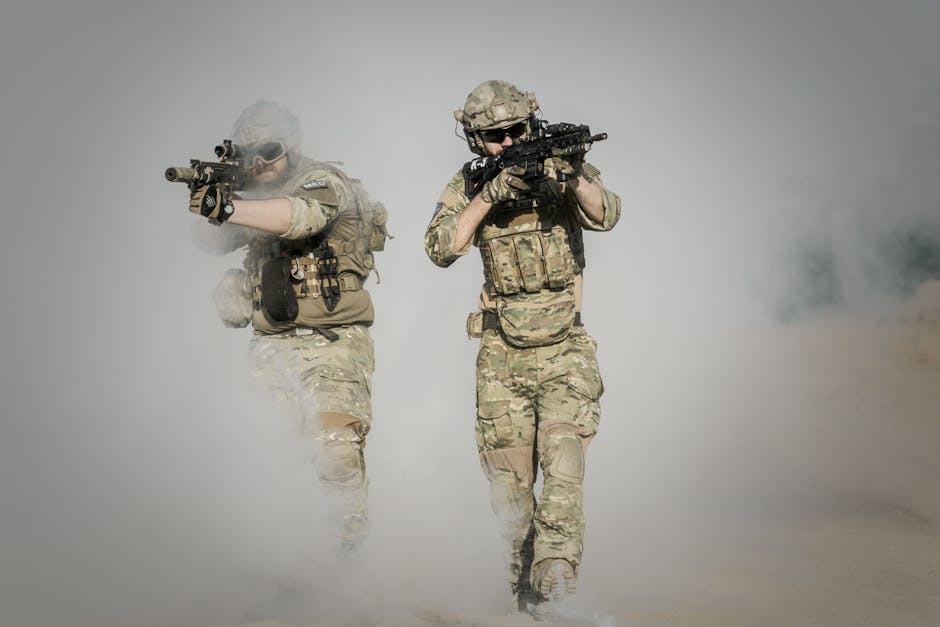
NATO has intensified its presence in Eastern Europe, fortifying its eastern flank in countries like Poland and the Baltic states. This presence acts as a deterrent to Russian military advances, showcasing a unified front against any potential aggression.
The alliance continues to conduct regular military exercises, reinforcing the combat-readiness of its forces and signaling its commitment to defend its member states. NATO’s swift reaction to any threats and its strategic deployments are central to maintaining peace in the region and curbing Russian expansionist desires.
The Energy Security Challenge

Russia’s vast energy resources have long been a tool of influence over Europe, complicating the EU’s response to Russian actions. Many European countries depend heavily on Russian gas, creating vulnerabilities that Moscow can exploit.
To counter this, the EU is aggressively pursuing diversification of its energy supplies. Investments in renewable energy, partnerships with alternative suppliers, and infrastructure such as liquefied natural gas (LNG) terminals are steps towards reducing dependency on Russian energy. These efforts are critical for weakening Russia’s leverage and reinforcing Europe’s strategic autonomy.
In conclusion, Europe’s role as the final barrier to Putin’s aggression is complex and multifaceted, involving strategic, economic, and diplomatic elements. Through a combination of strong alliances, strategic defense initiatives, and reducing energy dependency, Europe aims to thwart aggression and maintain stability.
Source: Official EU website.