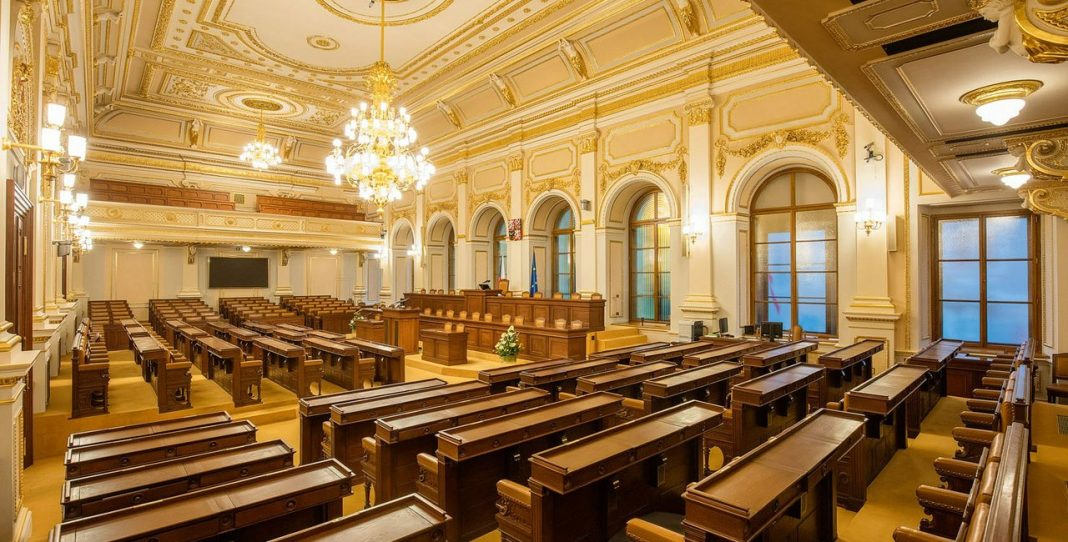

The role of the Speaker of the Parliament in Czechia is crucial in maintaining order and facilitating legislative processes. As one of the highest-ranking officials, the Speaker is central to the functioning of the government, tasked with multiple responsibilities that ensure democratic stability and the rule of law.
The Importance of the Speaker Position

The Speaker of the Czech Parliament holds significant authority, serving as a key figure in the legislative branch. This role involves presiding over Parliamentary sessions, ensuring that debates are conducted orderly, and that procedures are strictly followed. The Speaker must remain impartial, facilitating discussions while not directly participating in policy or voting, except in specific circumstances.
Beyond maintaining decorum, the Speaker is responsible for representing the Parliament in external affairs and is pivotal in diplomatic interactions. This representation is crucial for enhancing the Parliament’s connection with international legislative bodies and fostering bilateral relations that can influence legislative initiatives.
Legislative Responsibilities

One of the primary responsibilities of the Speaker is to manage and organize legislative activities within the Parliament. This includes determining the agenda, prioritizing bills, and ensuring that the legislative process moves forward efficiently. The Speaker must balance diverse party interests to advance parliamentary work effectively.
In addition to agenda-setting, the Speaker plays a decisive role in legislative mediation. When conflicts arise among parties, the Speaker may act as a mediator, seeking compromises that facilitate progress while maintaining the integrity of democratic procedures.
Role in Government Formations

In Czech politics, the Speaker’s role is particularly crucial during government formations. After parliamentary elections, the Speaker coordinates with various political parties to facilitate the formation of a coalition government, especially if no single party gains a majority. This requires diplomatic skill and impartiality to ensure a smooth transition of power.
The Speaker also oversees the confidence and no-confidence votes in the government. By managing these critical votes, the Speaker ensures that governmental stability aligns with the democratic will of the Parliament and the country.
Challenges and Controversies

Despite the significant responsibilities, the role of Speaker is not without challenges. The demand for impartiality is paramount, yet the Speaker’s decisions can sometimes draw criticism from partisan entities. Achieving a balance between neutrality and effective leadership often requires navigating complex political landscapes.
Controversies may arise regarding procedural decisions or perceived biases, necessitating a careful approach to conflict resolution. The resilience of Czech democracy depends partly on the Speaker’s ability to manage these challenges effectively, highlighting the importance of this role within the political system.
In conclusion, the Speaker of the Czech Parliament is a cornerstone of legislative function and democratic governance. Through careful management of parliamentary processes, representation in diplomatic matters, and involvement in government formation, the Speaker’s contributions are integral to maintaining the stability and effectiveness of Czechia’s political landscape.