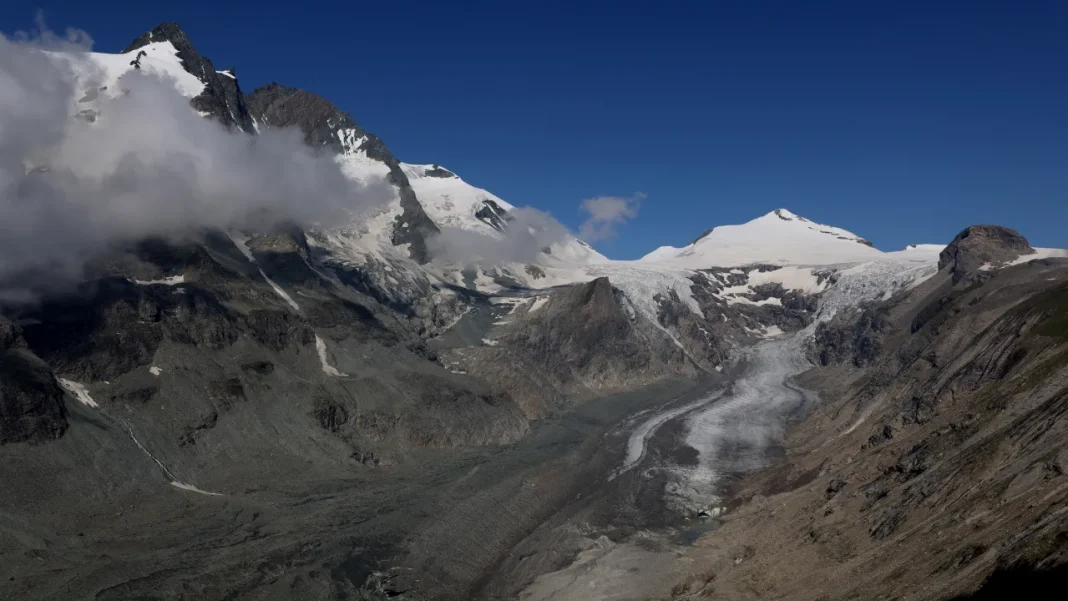

A court case has captured public attention as a man faces trial for allegedly allowing his partner to freeze to death on Austria’s Grossglockner mountain. The case highlights the dangers of high-altitude adventures and the responsibilities that come with them.
Tragic Incident on Grossglockner

The shocking case revolves around a tragic incident that occurred on Grossglockner, Austria’s highest peak. A couple’s expedition turned fatal when the woman succumbed to the extreme cold, leading to charges against her partner. Prosecutors argue that the man’s negligence and failure to provide aid resulted in her death from hypothermia.
The defense, however, maintains that unforeseen weather conditions and the couple’s mutual decision-making led to the unfortunate outcome. As the trial unfolds, the court is tasked with determining whether the man’s actions, or lack thereof, constitute criminal liability.
The case underscores the unpredictable nature of mountain environments and the crucial importance of caution, preparation, and responsibility when venturing into such perilous terrains.
The Legal Proceedings

The trial is being held at a regional court in Austria, where both the prosecution and defense are presenting their narratives. The prosecution has highlighted evidence that suggests the man’s disregard for his partner’s safety during the expedition. Testimonies from experts and witnesses are being closely examined.
Defense attorneys are emphasizing the couple’s joint enthusiasm for mountaineering and the unexpected rapid change in weather conditions. They argue that these factors contributed to the tragedy and should be considered by the court.
The proceedings have sparked a broader discussion on legal responsibility in extreme sports and the extent to which individuals can be held accountable when nature takes an unforgiving turn.
Public and Media Reaction

The case has drawn significant media interest, with public opinion divided over the man’s role in the incident. Some view it as a tragic accident exacerbated by uncontrollable elements, while others believe preventive measures could have been taken.
Local and international media outlets are covering the trial extensively, offering insights and analyses on the implications of the case for both legal standards and public perceptions of adventure sports.
This spotlight has also brought attention to the safety protocols and emergency procedures expected in high-risk activities, prompting discussions among mountaineering communities and regulatory bodies.
Impact on Mountaineering Practices

The incident on Grossglockner and the subsequent legal battle are likely to have lasting effects on mountaineering practices and regulations. Organizations may push for stricter safety guidelines and mandatory training for climbers to prevent similar tragedies.
Mountaineering groups are advocating for enhanced awareness and preparedness, urging climbers to better assess risks and ensure effective communication and equipment use. The industry is expected to increasingly focus on safety education to mitigate potential legal and moral repercussions.
This case may serve as a precedent for future legal examinations of responsibility in extreme sports, influencing how adventurers approach their passion in a legally conscious manner.
As the trial progresses, it remains to be seen how the court’s decision will impact both legal perspectives and public attitudes towards safety in mountaineering.