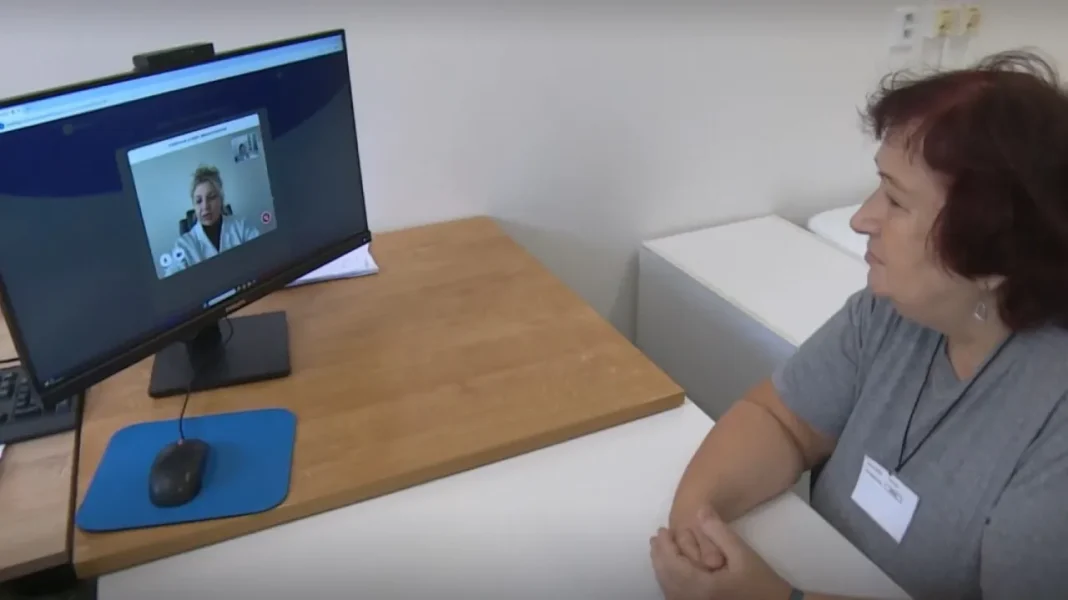

The Ministry has unveiled a new proposal to implement telemedicine within the prison system, aiming to replace traditional prisoner escorts with advanced camera systems. This initiative seeks to improve healthcare delivery while optimizing security and resources.
Innovative Approach to Prison Healthcare

The proposed shift towards telemedicine in prisons is a significant step forward in streamlining healthcare access for inmates. By utilizing modern technology, this plan envisions the reduction of physical transfers to medical facilities, instead opting for virtual consultations. This would not only save time and resources but also enhance the quality of healthcare provided to prisoners.
Telemedicine has already proven successful in various sectors by offering timely medical consultation and diagnosis remotely. Implementing such a system within the prison context could bridge the gap between incarcerated individuals and healthcare professionals, allowing for better monitoring and management of inmate health.
Safety and Security Enhancements

Replacing physical escorts with advanced camera systems is expected to bolster safety within the prison environment. By minimizing the necessity for movement outside the facility, the risks associated with transfers, such as escape attempts or external threats, are significantly reduced.
Camera systems installed within prisons would facilitate real-time monitoring, ensuring continuous security coverage. This technology would enable medical professionals to conduct assessments from a distance, thereby maintaining a secure environment for both staff and inmates.
Resource and Cost Efficiency

The transition to telemedicine could result in considerable savings for the penal system. The costs associated with transporting inmates to external medical facilities, including staffing and transportation, are substantial. By adopting telemedicine, these expenses could be greatly diminished.
Moreover, the human resources currently dedicated to escorting prisoners could be redirected towards enhancing internal operations within correctional facilities, further emphasizing efficiency and prudent resource management.
Challenges and Considerations

While the benefits of telemedicine are compelling, several challenges must be addressed. The implementation of such a system requires significant investment in technology infrastructure, including high-quality cameras and secure communication networks.
Additionally, considerations regarding privacy and data protection must be carefully managed to ensure that inmate rights are upheld while facilitating access to healthcare. Ensuring a robust framework for these concerns is key to the project’s success.
The Ministry’s proposal to introduce telemedicine in prisons is poised to revolutionize healthcare delivery within these institutions. By addressing technological, security, and resource challenges, this initiative could enhance the efficiency and quality of care while maintaining the safety of all involved.