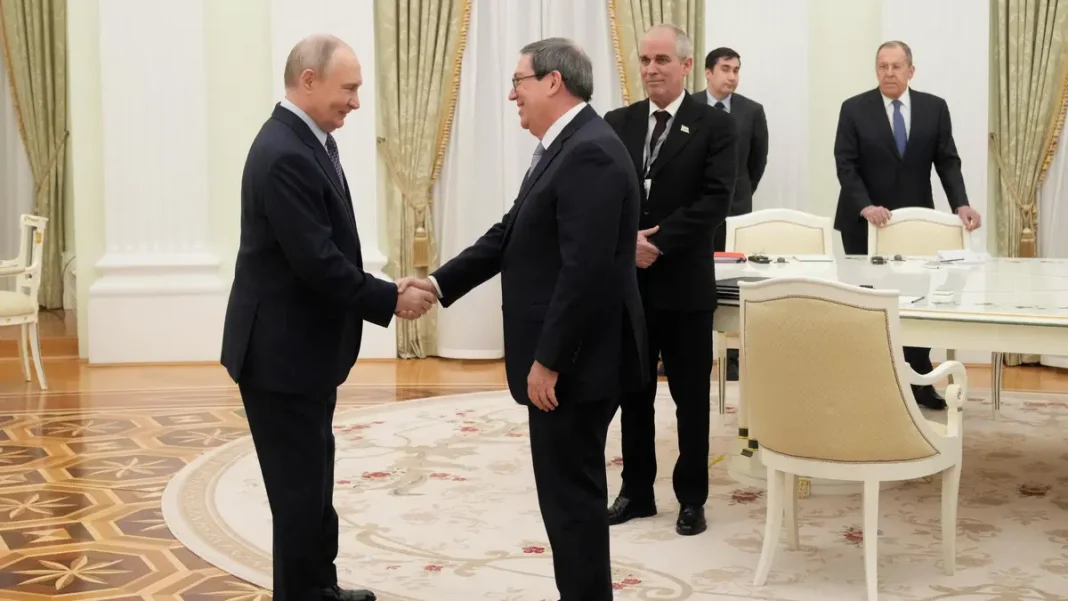

As Cuba faces significant economic challenges, the island nation has turned to Russia for assistance. This move highlights the severity of the crisis affecting Cuba’s economy and its implications for the country’s future.
The Economic Landscape in Cuba

Cuba’s economy has been struggling for years, hindered by the U.S. embargo, the decline of tourism due to the pandemic, and the inefficiencies of its centralized economic model. The situation has led to widespread shortages of basic goods and severe inflation, exacerbating the living conditions for many Cubans.
The energy crisis is particularly acute, with blackouts becoming a regular occurrence. This energy gap has stifled industrial production and disrupted daily life across the island. Faced with this dire scenario, Cuba is seeking to revitalize its relationship with Russia, hoping for economic aid and investment.
Efforts to reform Cuba’s economy have seen limited success. The government’s recent monetary reforms intended to boost productivity have instead led to rising prices and devaluation of the Cuban peso, worsening the populace’s purchasing power.
Russia’s Role and Historical Ties

Russia and Cuba share a long history of political and economic ties, dating back to the Cold War era when Cuba was a close ally of the Soviet Union. In recent years, Russia has rekindled its interest in Cuba, viewing the island as a strategic ally in the Western Hemisphere.
Russia has provided Cuba with vital resources, including fuel and humanitarian aid, aiming to stabilize the island nation. This support comes amid Russia’s own geopolitical maneuvers and desire to strengthen its influence within Latin America.
Cuba’s outreach to Russia marks a significant geopolitical shift, especially as the island seeks to diversify its partnerships beyond traditional allies to navigate its economic turmoil.
Potential Impacts on Cuba’s Domestic Policies

Cuba’s increasing reliance on Russia may influence its domestic policies. Enhanced Russian support could lead Cuba to adopt more favorable stances aligned with Russian interests on global issues. This shift could potentially affect Cuba’s internal reforms and its gradual attempts at liberalization.
The economic assistance from Russia could offer some respite but might also lead to deeper economic entanglements. Such dependencies may limit Cuba’s policy autonomy and complicate its economic restructuring efforts.
If aid is attributed with Russian strategic interests, it may also deter investments from other international partners wary of deepened Russian influence in Cuba’s economy.
The Future of Cuba-Russia Relations

Cuba’s pivot to Russia highlights the complexities of its economic and political strategies as it seeks to stabilize. While Russia’s aid offers immediate relief, it poses questions about the long-term sustainability and independence of Cuba’s economic model.
This relationship could pave the way for more intensive partnerships across sectors such as energy, transport, and infrastructure, potentially leading to increased foreign presence in these areas within Cuba.
The social ramifications and public sentiment towards this growing alliance remain to be seen, as many Cubans hope for broader economic renewal and international collaborations beyond established political alliances.
Although Cuba’s reliance on Russia seems to be a strategic move, the effectiveness and impacts of this partnership on Cuba’s domestic and international position will only become clear over time.