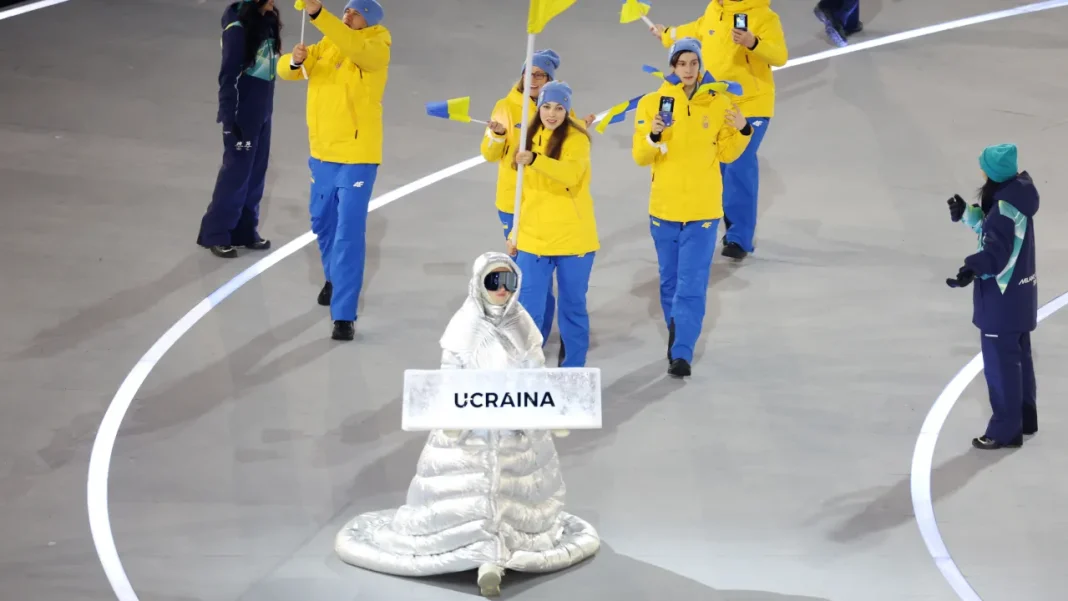

Protests erupted at an international sports event as a Ukrainian delegation led by a Russian representative faced backlash due to ongoing tensions from the war in Ukraine. Demonstrators voiced their opposition in a significant stand against the conflict.
Tensions Arise at the Games

The international sports gathering faced unexpected turmoil as news broke that the Ukrainian delegation was led by a Russian representative. This decision sparked immediate criticism, considering the ongoing conflict between Russia and Ukraine. The choice was seen by many as insensitive, and it intensified discussions about political influence within sports events.
The delegation’s leadership decision seemed to overshadow the games, focusing attention away from the athletes and prompting reactions from participating countries. Many questioned the appropriateness of involving individuals closely tied to Russia, given the geopolitical climate.
This tension highlights the complex intersection of sports and politics and the challenges in maintaining neutrality in international events.
Protesters Make Their Voices Heard

In response to the leadership choice, protesters gathered both inside and outside the venue. Activists and spectators came together, carrying banners and chanting slogans against the war. The protest movement quickly gained momentum, drawing attention from international media and sparking widespread discussion.
The protests were largely peaceful, with organizers emphasizing the need for non-violent demonstration. Participants aimed not only to express their discontent but also to foster dialogue and empathy for those affected by the conflict in Ukraine.
Such demonstrations underscore the global community’s vested interest in seeking a resolution to the conflict, stressing the need for diplomacy and peace.
Sports Officials Respond

Officials from the organizing committee addressed the issue, expressing regret over the upset caused and pledging to review their processes. In a statement, they reaffirmed their commitment to impartiality and respect for all nations involved.
In an attempt to defuse the situation, the committee promised to enhance communication and inclusion efforts in future events. They also aimed to engage more deeply with the representatives of each country to understand their concerns and perspectives better.
While the effectiveness of these measures remains to be seen, the quick response from officials indicates a willingness to adapt and learn from the situation.
Implications for Future Events

This incident at the games serves as a reminder of the enduring impact of geopolitical conflicts on international gatherings. As entities strive to maintain neutrality, they must navigate the delicate balance of recognition and representation amid complex global disputes.
The event has sparked a broader conversation about the role of sports in fostering peace and unity, revealing the potential of such platforms to influence public discourse. For future organizers, the key takeaway is the necessity of understanding the broader context in which their events take place.
Ensuring sensitivity and awareness of the current global climate can help prevent such issues and promote a spirit of collaboration and understanding.
In conclusion, while the Ukrainian delegation’s leadership choice led to protests, it also highlighted important discussions about the intersection of sports and international relations.
Source: Official International Sports Event website.