
Recent advancements in artificial intelligence have pushed researchers to explore the ethical boundaries associated with these technologies. A new experiment involving optical illusions is shedding light on how AI perceives visual realities and the implications for human-machine interaction.
The Experiment: Challenging AI with Optical Illusions
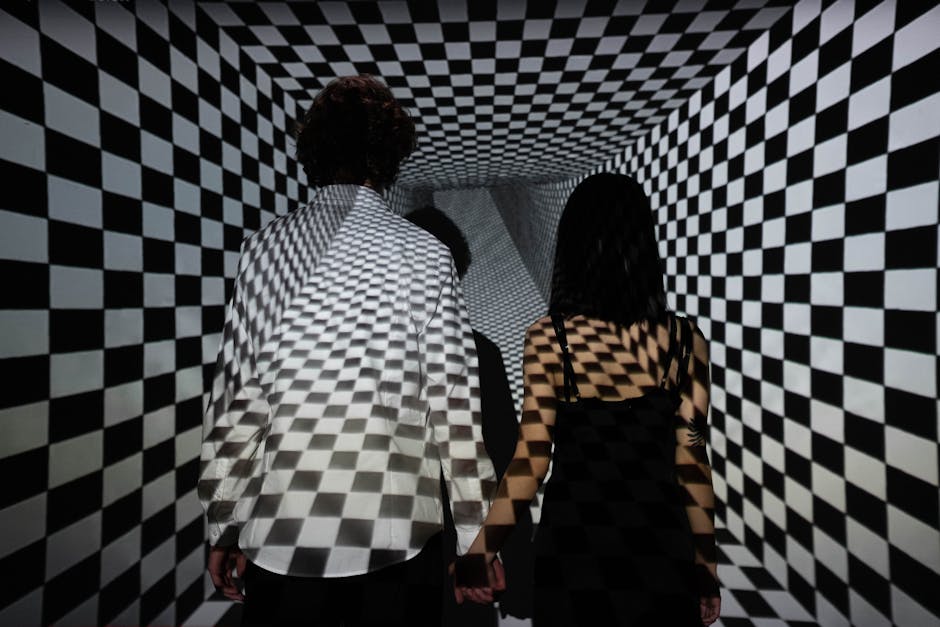
Optical illusions have long fascinated scientists due to their ability to trick the human brain. Recently, a group of scientists directed these visual puzzles at artificial intelligence systems to observe their responses. The aim was to determine whether AI can be misled by the same optical illusions that deceive human perception. The findings suggest that while some AI systems remain unaffected, others exhibit intriguing vulnerabilities akin to human responses.
This line of research is particularly noteworthy as it tests the cognitive limits of AI. By understanding where AI models falter, scientists can work towards enhancing their robustness. Additionally, analyzing AI’s interpretation of illusions can provide insights into how these systems process and interpret visual data, opening doors to improved machine learning techniques.
Ethical Concerns and Public Perception

The use of optical illusions in AI research has ignited a discussion about ethical boundaries in technology. Critics argue that understanding and potentially exploiting AI vulnerabilities bears significant ethical considerations. If AI can be confused by something as simple as an optical illusion, it raises questions about deploying these systems in critical applications without thorough safeguards.
Public perception of AI’s capabilities can also be impacted. Understanding these limitations is crucial for building trust with technology. When the public is aware of AI’s limitations, it promotes more informed discussions about the role of AI in everyday life and its potential impact on society.
The Implications for AI Development
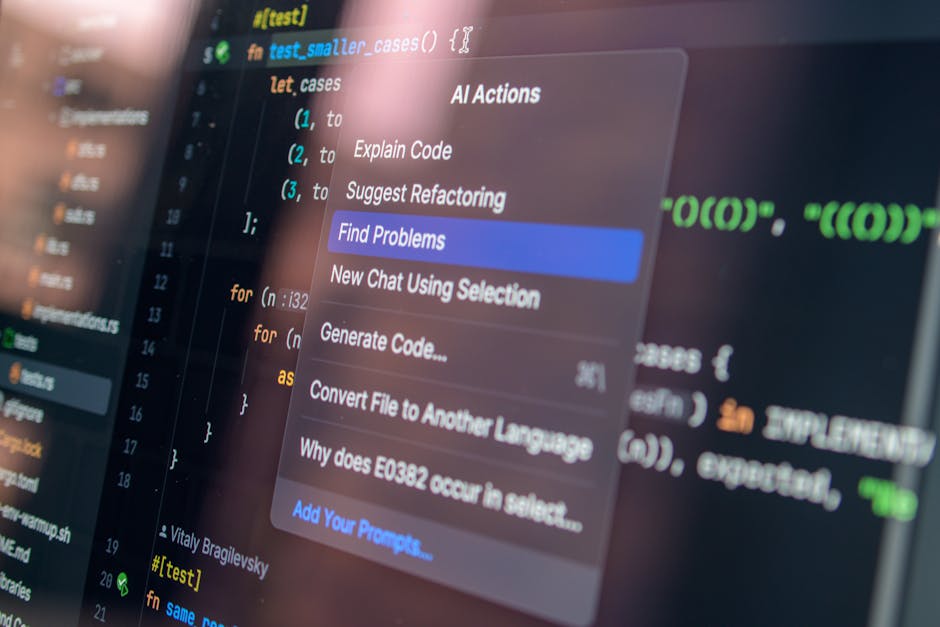
The ability of AI to process visual information has numerous applications, from autonomous vehicles to medical imaging. The insights gained from the use of optical illusions can guide developers in building more reliable and secure AI systems. By addressing these cognitive challenges, engineers can design AI that better mimics human understanding and reasoning.
Moreover, this research may influence the future development of AI algorithms. Developers might consider creating systems with adaptive learning capabilities to overcome perceptual misunderstandings, ultimately leading to AI that can autonomously reject deception attempts.
Future Directions and Research

The experiment with optical illusions is paving the way for more comprehensive studies on AI perception. Future research could delve deeper into how different types of illusions affect various AI models, potentially leading to standard benchmarks for evaluating visual comprehension across AI platforms. This could significantly benefit AI-driven industries by ensuring that systems are both reliable and transparent.
Additionally, interdisciplinary collaborations between cognitive scientists and AI researchers could lead to breakthroughs in understanding and enhancing machine perception. This synergy could propel the development of AI systems that not only perform complex tasks but do so with an improved understanding of human-like visual interpretation.
Source: Official Research Institute website.