
The discussions surrounding a new nuclear deal have been a hot topic globally, with various nations expressing their expectations and concerns. Israel’s perspective, in particular, offers significant insight into the broader geopolitical implications of these negotiations.
Israel’s Strategic Concerns

From Israel’s standpoint, the development of nuclear capabilities by neighboring countries represents a substantial security challenge. Israel has consistently expressed concerns over Iran’s nuclear ambitions, viewing them as a direct threat. The new nuclear deal’s ultimate goal is to prevent Iran from acquiring nuclear weapons, ensuring regional stability. Israel insists on comprehensive inspections and strict limitations on nuclear activities to prevent potential threats.
Beyond the immediate risk, Israel fears a potential arms race in the Middle East. Countries like Saudi Arabia might seek nuclear capabilities if Iran’s program is perceived as unchecked by the new deal. The Israeli government, therefore, advocates for a robust agreement that leaves no room for ambiguity regarding nuclear restrictions.
The Global Diplomatic Context
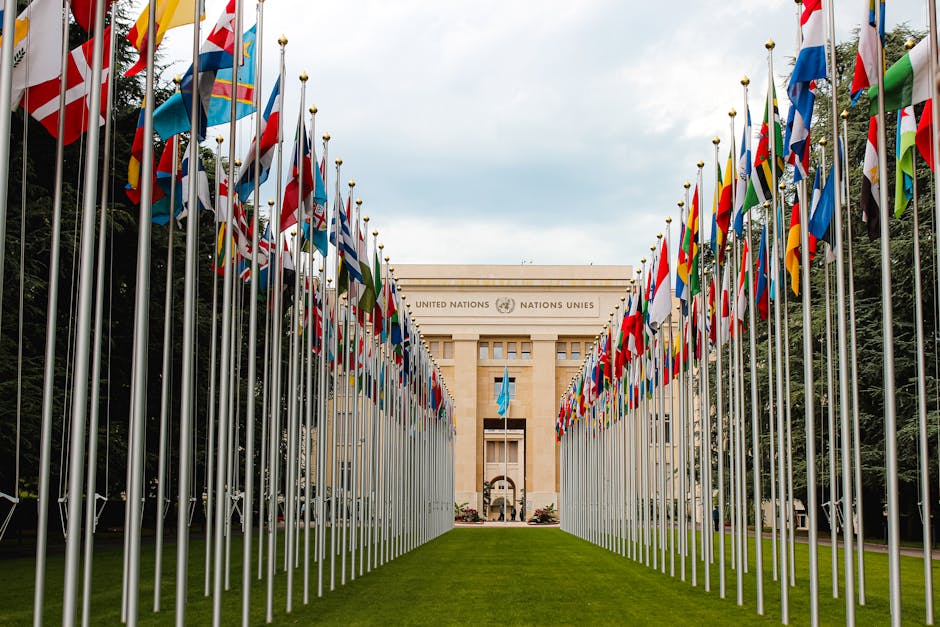
International powers play a crucial role in shaping the nuclear deal, with the United States, European Union, and Russia among those influencing the negotiations. Each nation brings its priorities to the table, attempting to balance regional security with diplomatic and economic considerations. The U.S. aims to reinstate a version of the Joint Comprehensive Plan of Action (JCPOA) to enforce non-proliferation agreements.
Diplomats are striving for a balanced approach that satisfies both regional players and international stakeholders. However, the divergence in objectives often complicates the dialogue, making it clear that a successful agreement requires compromise and flexibility from all participating entities.
Challenges in the Negotiations

Several challenges persist as parties attempt to reach a consensus on the nuclear deal. The primary hurdle is trust, or the lack thereof, among nations involved. Iran seeks assurance of economic benefits and lifting of sanctions as part of the agreement, while Western powers demand verifiable constraints on nuclear activities.
Additionally, the deal must address the enforcement mechanisms effectively. There is an ongoing debate on how to ensure compliance and what measures will be taken should a party violate the agreed-upon terms. The effectiveness of inspections and monitoring systems is a contentious point, requiring innovative solutions to bridge the divide.
Future Implications for Regional Security
The outcome of the nuclear deal negotiations will have far-reaching effects on Middle Eastern security dynamics. A robust agreement could foster a period of relative stability, preventing an arms race and reducing the risk of conflict. Conversely, a weak or failed deal might escalate tensions, prompting military responses or alliances to counter perceived threats.
Israel’s role in these dynamics cannot be understated. As a major regional power, its actions and reactions to the deal will influence broader geopolitical strategies. Ensuring that Israel’s security concerns are considered could strengthen regional cooperation and contribute to lasting peace.
The evolving discourse on the new nuclear deal reflects the complexities of modern geopolitics. With numerous stakeholders and high stakes, the journey toward a conclusive agreement is both challenging and essential for international security.