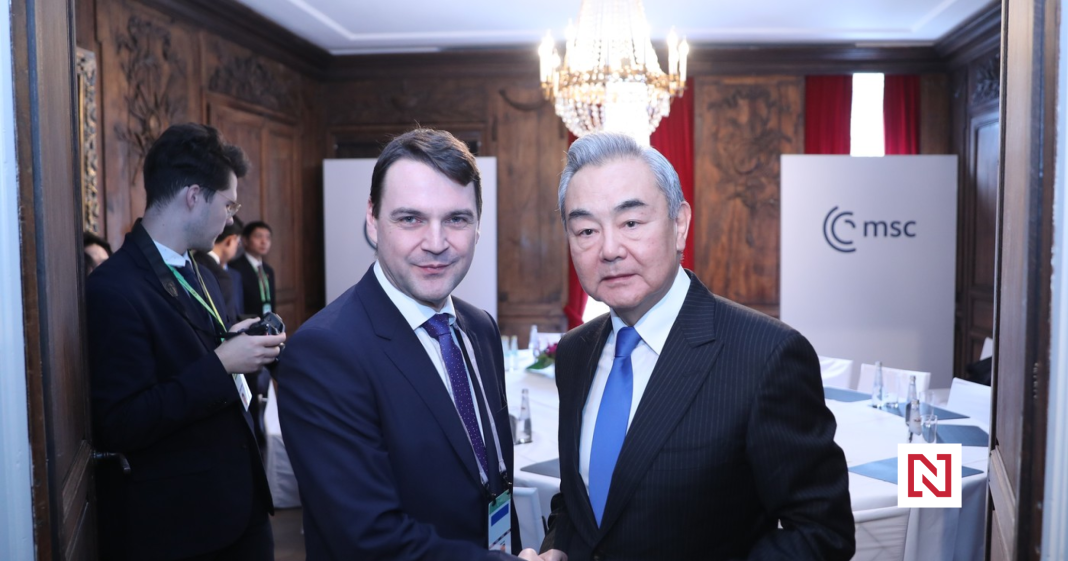

In a recent debate held in Munich, the Czech Minister faced a challenging critique of the European Union’s democratic values. His arguments, aimed at defending the current state of EU democracy, did not resonate as expected with the audience or fellow panelists.
The Context of the Debate

The forum in Munich was part of a larger conference addressing the evolving political landscape within the European Union. With increasing scrutiny on democratic practices across member states, the Czech Minister sought to present a case supporting the EU’s democratic credentials. However, the dynamic and highly critical atmosphere led to many questioning the robust nature of his claims.
The minister emphasized the EU’s frameworks designed to uphold democracy and human rights, citing institutions like the European Parliament. Yet, critics argued these frameworks often fall short in practice, with pundits pointing to specific instances where democratic processes in various states have faced challenges.
The Minister’s Arguments

During his speech, the Czech Minister highlighted the historical achievements of the EU in fostering a sense of unity and cooperation among diverse sovereign nations. He argued that these successes were indicative of a functioning democratic process that accommodates various national perspectives while maintaining a collective identity.
Despite these points, the audience was less convinced. Questions arose about transparency and the decision-making processes within EU institutions. The minister’s responses, which leaned heavily on historical precedents, did not provide the reassurance or forward-looking strategies that attendees had hoped for.
Reactions from Attendees

Observers at the event expressed a wide range of reactions, from skepticism to outright disagreement. Some found the minister’s views to be overly optimistic given recent populist movements and challenges to judicial independence in some member states. Others appreciated his defense but felt it lacked specificity and a clear roadmap for addressing current issues.
A key point of contention was the perceived gap between the EU’s democratic ideals and the reality experienced by citizens. Attendees called for more inclusive and grassroots-based approaches to decision making, which they believe could bridge this divide.
Impact on Czech Republic’s Position in the EU
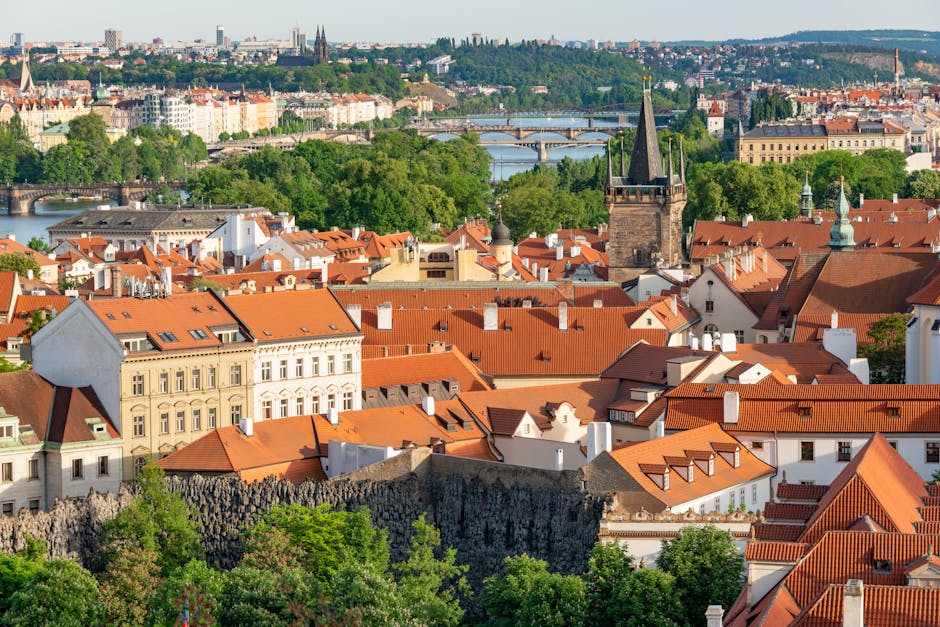
The minister’s performance in Munich has implications for the Czech Republic’s standing within the EU. As a member state that has occasionally been at odds with EU directives, the effectiveness of its representatives in international debates is crucial. Analysts suggest that clearer communication and strategic engagement could bolster its influence and contribute positively to EU dialogues.
The debate has sparked discussions back home in Prague, as citizens and politicians alike reflect on how their nation can better align with EU’s democratic aspirations while addressing domestic concerns.
In conclusion, the Munich debate highlighted significant challenges facing the EU in practicing its democratic values. The Czech Minister’s arguments, though well-intentioned, underscored the need for continued dialogue and reform to meet the expectations of the union’s diverse populace.