

Artificial Intelligence (AI) is revolutionizing the medical field by enhancing the speed and accuracy of diagnoses. However, while AI offers significant advantages, it isn’t without its challenges.
Transformative Impact on Medical Diagnosis

The integration of AI into healthcare has enabled faster diagnosis. In areas like radiology, AI algorithms can quickly analyze images, flagging potential issues for further review by specialists. This acceleration helps streamline the diagnostic process, allowing healthcare professionals to focus on providing timely treatment to patients.
AI-driven tools excel in recognizing patterns within vast datasets, which, for instance, can significantly improve early detection of diseases such as cancer. By identifying subtle clues that might be overlooked by the human eye, AI enhances the probability of early intervention and treatment success.
Challenges and Limitations

Despite its benefits, AI is not infallible. One challenge is the reliance on high-quality datasets for training AI models. Inadequate or biased data can lead to errors, misdiagnoses, or the overlooking of critical conditions. Thus, ensuring the quality and diversity of training data is paramount.
Furthermore, the interpretability of AI decisions remains a concern. Healthcare professionals may find it difficult to understand how an AI program reached its conclusion, complicating the decision-making process. Transparency and collaboration between AI systems and medical experts are essential to build trust and enhance outcomes.
Regulatory and Ethical Considerations
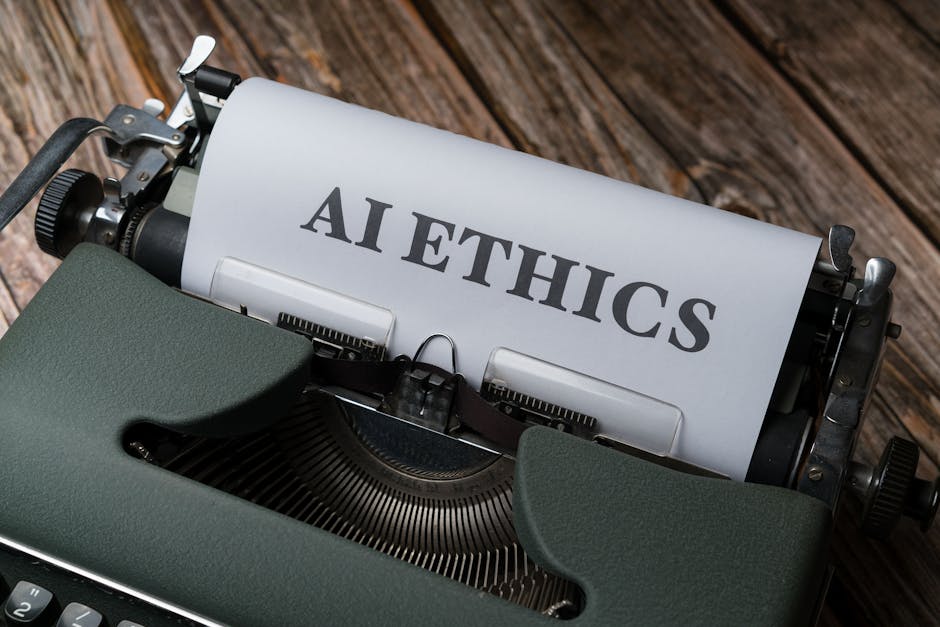
As AI becomes more prevalent in healthcare, regulatory bodies are tasked with developing guidelines to ensure safety and efficacy. This includes ensuring patient data privacy and securing AI systems against potential cyber threats.
Ethically, the deployment of AI in medicine raises questions regarding accountability. Determining liability in the event of an AI-driven misdiagnosis is a legal and moral challenge that requires careful consideration and clear guidelines.
Future Prospects and Ongoing Developments

Looking ahead, AI technology continues to evolve with promising advancements on the horizon. Collaboration between tech companies and healthcare providers is vital in creating tailored solutions that meet specific medical needs.
Continuous research and innovation are essential in overcoming existing limitations and realizing AI’s full potential. Encouraging interdisciplinary collaboration can lead to breakthroughs that enhance healthcare delivery and improve patient outcomes globally.
AI certainly transforms diagnosis by accelerating and improving processes, but it is crucial to address its challenges to ensure it complements and enhances human expertise effectively and safely.