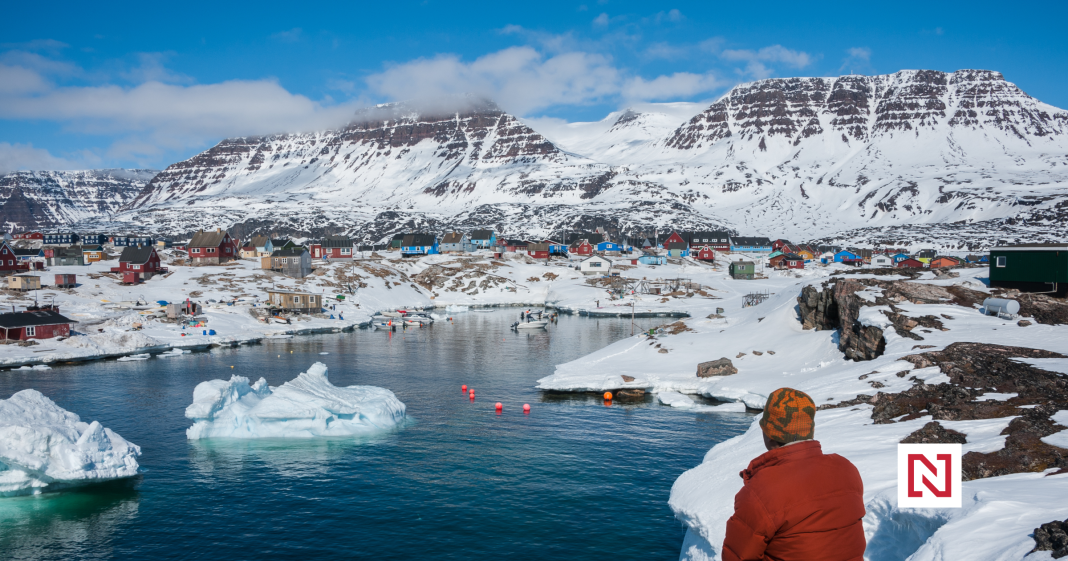

Greenland, the world’s largest island, is a place of captivating landscapes and rich history. In exploring its vast terrain, one uncovers a unique interplay between its stunning environment and the resilient communities that call it home.
The Historical Tapestry of Greenland

Greenland has a history that is as diverse as its geography. Archaeological evidence suggests that the island was first settled some 4,500 years ago by the Saqqaq people. These early inhabitants were adept at surviving the harsh Arctic climate, relying on hunting and fishing to sustain their communities. Over the millennia, various cultures have thrived in Greenland, each adapting to the changing environment.
The Norse settlers, arriving in the 10th century, established farming communities and left behind remarkable relics, such as the ruins of Hvalsey Church—the best-preserved Norse ruins in Greenland. These early European settlers maintained sporadic contact with Europe, evolving a unique culture that blended Norse and Inuit elements.
The Natural Wonders of Greenland
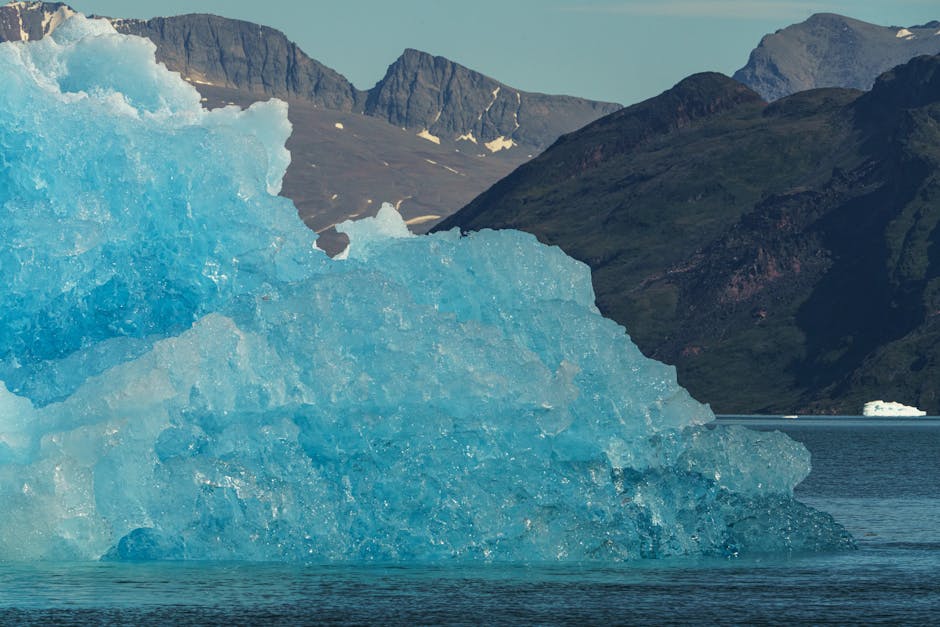
Greenland’s natural beauty is awe-inspiring and diverse. Its massive ice sheet, covering approximately 80% of the island, contributes significantly to global sea levels and offers unparalleled opportunities for scientific research. Additionally, the island is a haven for stunning fjords, majestic mountains, and vast expanses of untouched wilderness.
The island’s ecosystem is home to an array of wildlife, including polar bears, musk oxen, and a variety of bird species. The surrounding waters are equally diverse, with whales, seals, and an abundance of fish populating the icy seas. This rich environment has also made Greenland an attractive destination for adventurous travelers seeking unspoiled natural beauty.
The Cultural Impact of Greenland’s Geography

Greenland’s geography profoundly influences the lifestyle and culture of its inhabitants. The majority of Greenland’s population is Inuit, whose culture and traditions have been molded by the challenging Arctic environment. Traditional practices, such as dog sledding and ice fishing, remain integral to daily life.
Art and music within Greenland echo its natural surroundings, with many creators drawing inspiration from the dramatic landscapes. The island’s cultural festivals celebrate not only its heritage but also its contemporary identity, embedding Greenland’s unique geographic elements into its modern cultural landscape.
Greenland’s Role in Global Environmental Discussions
As the effects of climate change become increasingly evident, Greenland stands at the forefront of environmental discussions. The rapid melting of its ice sheet is a significant concern for global sea level rise. This phenomenon underscores the urgent need for global collaboration to address climate impacts.
Greenland’s government and various international bodies are working together to promote sustainable practices and research initiatives focused on understanding and mitigating the impacts of climate change. The island’s experience provides invaluable insights into global environmental challenges.
Greenland, with its stunning landscapes and resilient culture, offers a fascinating glimpse into the intersection of history, nature, and modern global issues. Its story is a reminder of the delicate balance between mankind and the natural world.