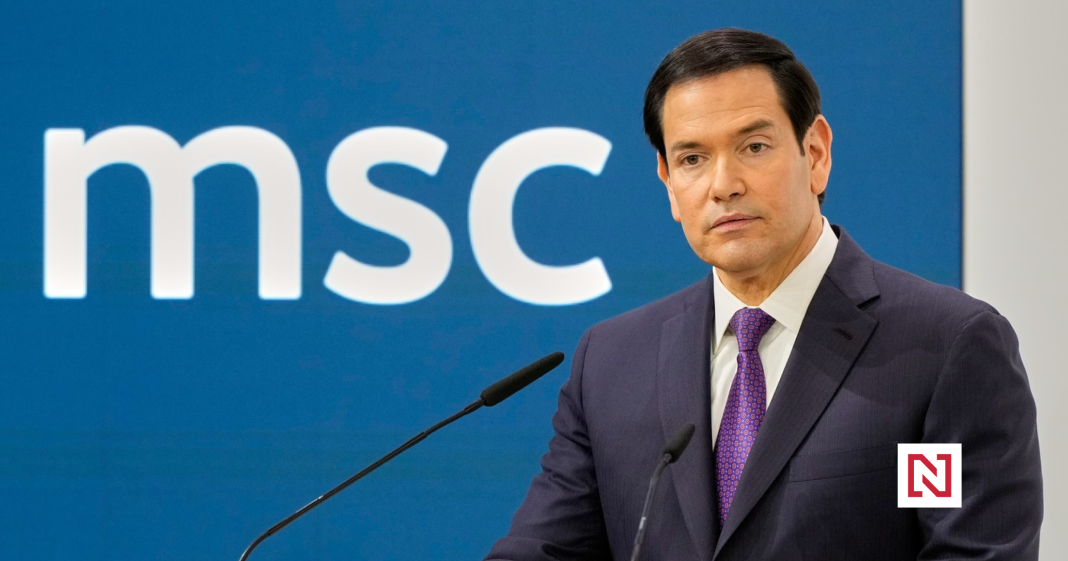

Amidst evolving global challenges, nations are recognizing the need to reform the existing international order to address issues ranging from economic inequality to geopolitical conflicts. This article delves into the collaborative efforts required to implement such changes.
Understanding the Current Global Order

The global order as it stands today is a complex web of international agreements, trade partnerships, and diplomatic relations. Originally designed post-World War II, these frameworks aimed to maintain peace and stability while promoting economic growth. However, over the decades, these systems have become stretched, facing criticism for their inability to adapt to contemporary issues such as digital transformation and climate change. Reforming this order is necessary to ensure it meets the needs of today’s global population.
Many experts argue that the existing structures are heavily influenced by a few dominant nations, leaving smaller countries with limited influence. This imbalance highlights the necessity for reforms that not only democratize decision-making processes but also promote equitable development across different regions.
Key Areas for Reform

One of the primary areas requiring urgent reform is international trade. The current trade policies tend to favor wealthier nations, often putting developing countries at a disadvantage. Efforts are being made to create more inclusive trade agreements that consider the unique needs and challenges faced by less developed nations.
Another critical area is climate policy. As the world grapples with the consequences of climate change, international cooperation is crucial to formation effective environmental strategies. Collaborative efforts are needed to ensure that both developed and developing nations contribute to sustainable practices, with policies tailored to the capabilities and needs of each country.
The Role of Technology in Global Reform

Technology plays a double-edged role in the global order. While it facilitates communication and promotes transparency, it can also exacerbate inequalities. Integrating technology equitably into global systems is essential. Innovations such as digital currencies and secure communication platforms have the potential to revolutionize how international transactions and diplomacy are conducted.
Moreover, technology can aid in addressing pressing global issues such as food security and healthcare by improving efficiency and accessibility. Nations must work together to ensure that technological advancements are used to bridge gaps rather than widen them.
International Cooperation and Dialogue
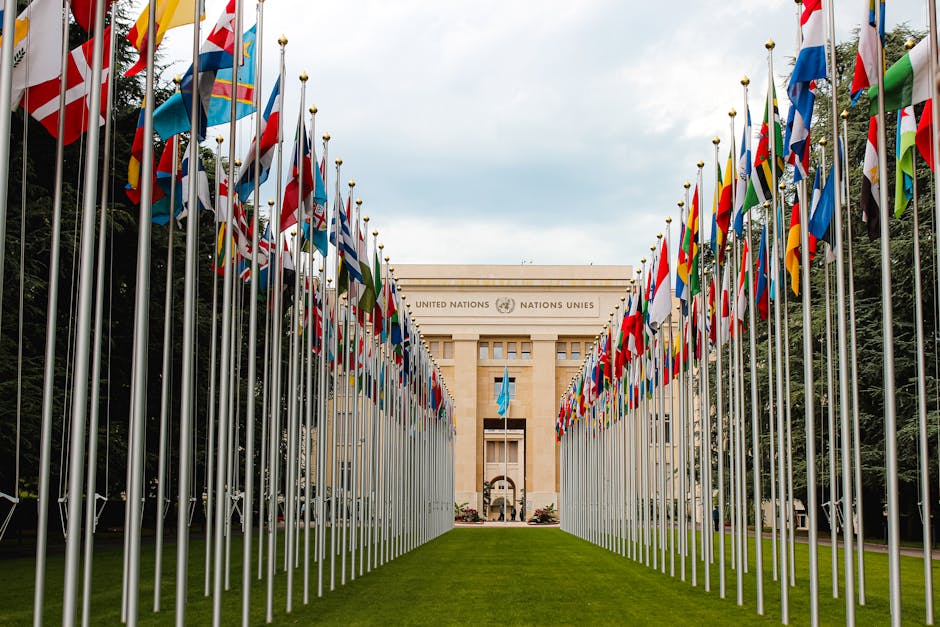
The path to reforming the global order is paved with the stones of cooperation and dialogue. Multilateral forums and organizations play an essential role in facilitating discussions and mediating conflicts. The United Nations and similar entities must lead reform initiatives with active participation from all member states to ensure fairness and accountability.
Regular dialogues between countries can help identify shared goals and priorities, fostering a spirit of unity and common purpose. Collaborative agreements and partnerships are crucial in aligning national policies with global objectives, ensuring that reforms are impactful and sustainable.
Overall, reforming the global order requires a concerted effort from all nations to address the complexities of modern society. It demands innovation, cooperation, and a commitment to creating a balanced and just system for future generations.