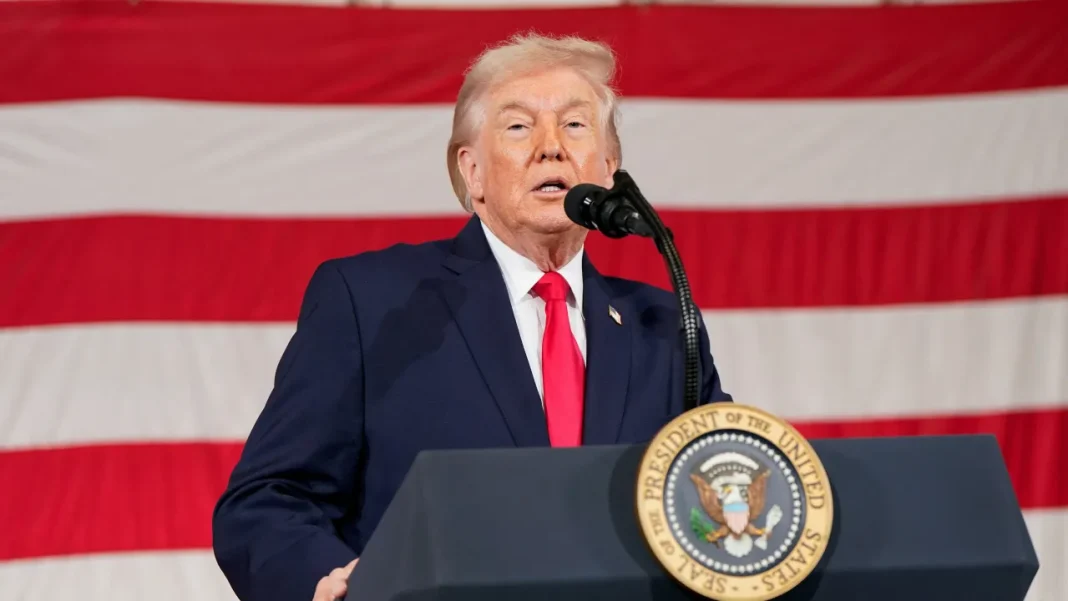

Former President Donald Trump has announced plans to initiate electoral reform without Congressional approval, raising significant questions about the legality and practicality of such an action. This maneuver aims to reshape voting processes ahead of future elections.
Context of the Proposal

Donald Trump’s proposed electoral reform stems from ongoing discussions on election security and integrity. His plans reportedly include changes to mail-in voting procedures and the implementation of stricter voter ID laws. Trump has often criticized past election processes, claiming widespread fraud without substantial evidence. His focus on reform suggests an attempt to address these allegations directly, though critics argue that such measures may bypass necessary legislative checks and balances.
The potential unilateral approach by Trump would mark a significant departure from traditional legislative processes, typically requiring the consensus of Congress. This raises constitutional questions about the executive branch’s ability to unilaterally enact substantial changes to the electoral system.
Legal and Political Reactions
Legal experts have voiced concerns over Trump’s ability to implement these reforms without Congressional approval. The U.S. Constitution grants Congress the power to regulate federal elections, suggesting that any unilateral action might face legal challenges. Prominent political figures from both major parties have also expressed skepticism, emphasizing the need for bipartisan cooperation in any electoral changes.
These proposed reforms have reignited debates about states’ rights versus federal authority in managing elections. While the federal government has some oversight, the primary responsibility lies with individual states. As a result, any federal-level changes may confront resistance at the state level, complicating implementation.
Implications for Future Elections

If enacted, Trump’s reforms could significantly impact the voting landscape in the United States. Proponents argue that stricter voting measures could reduce potential fraud and increase public confidence in electoral outcomes. However, opponents fear that such changes might suppress voter turnout, particularly among marginalized communities.
The broader implications extend to the international arena, where democratic practices in the U.S. often serve as a benchmark. Moves to alter election processes could affect the country’s global standing, casting doubts on its commitment to democratic ideals.
Public Opinion and Impact

Public reaction to Trump’s announcement has been mixed. Supporters laud the initiative as a necessary step towards safeguarding elections, while detractors view it as an overreach that undermines democratic principles. Public opinion polls indicate a divide, with opinions often aligning with political affiliations.
The proposed reforms also spotlight the increasing polarization in American politics. As debates unfold, the core issue remains how to effectively balance election security with ensuring broad and equitable access to voting. This tension underscores the complexities of electoral reform in an ever-diverse democratic society.
Trump’s plans for electoral reform, while ambitious, face considerable legal and political hurdles. As the discussion progresses, it will be crucial to monitor developments to understand how they will shape the future of U.S. elections.