
Poland is pivoting towards natural gas and renewable energy as key components in its energy strategy. This shift is reflective of a broader European trend focusing on sustainable and secure energy sources amidst global environmental concerns.
The Rise of Natural Gas

As coal has historically dominated Poland’s energy sector, the nation is actively shifting towards natural gas. This transition is driven by the need to reduce carbon emissions and align with EU environmental regulations. Natural gas is viewed as a more environmentally friendly alternative, playing a critical role in enabling a gradual transition from coal. Infrastructure development has been prioritized, with investments in LNG terminals and pipeline connections strengthening supply security.
Poland’s strategy involves diversifying its natural gas imports to reduce dependency on any single supplier, particularly Russia. Contracts with countries like the United States and Norway are reinforcing this diversification. This approach not only supports energy security but also positions Poland as a key transit hub in the region for natural gas distribution.
Renewable Energy Initiatives

Alongside natural gas, Poland is significantly investing in renewable energy sources such as wind, solar, and biomass. The government has set ambitious targets to increase the share of renewables in its energy mix. Wind energy, especially offshore developments, is expected to see substantial growth, leveraging Poland’s access to the Baltic Sea.
Solar power is another area of expansion, with both large-scale solar farms and smaller domestic installations contributing to the grid. These initiatives are supported by policy frameworks that include financial incentives for renewable energy producers and consumers. The goal is to create a sustainable, low-emission energy sector that aids in meeting EU climate goals.
Challenges and Opportunities

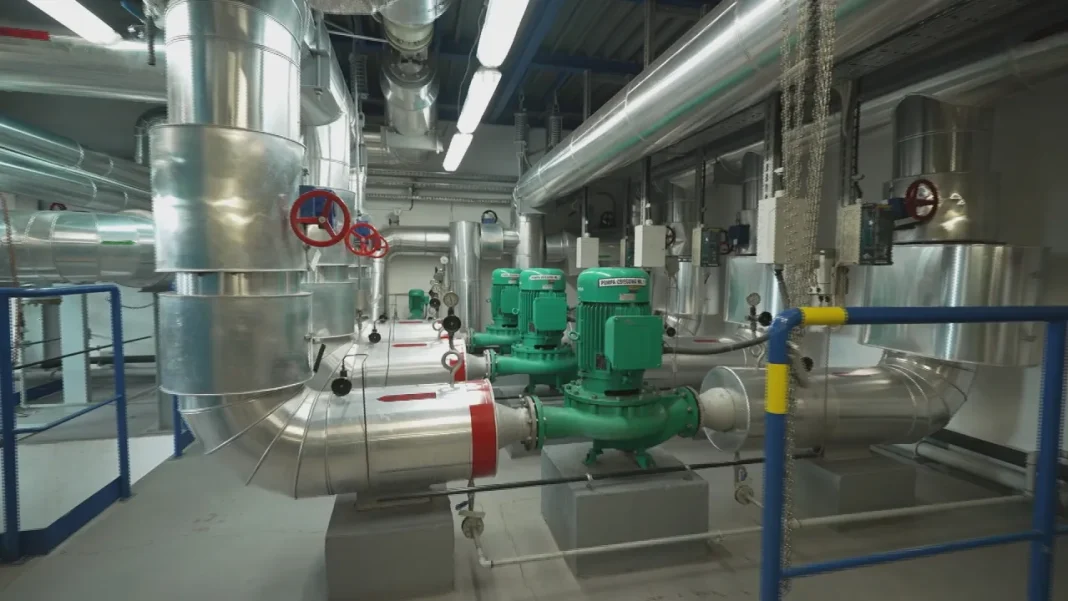
Transitioning from coal to natural gas and renewables presents several challenges for Poland. The existing infrastructure requires upgrades and expansions to accommodate these newer sources of energy. Laying new pipelines, constructing wind farms, and installing solar panels are capital-intensive and require significant planning and investment.
However, these efforts present substantial opportunities for economic growth and job creation in the clean energy sector. As Poland enhances its capabilities in renewable technology, there is potential for innovation and export of locally developed solutions. Poland’s proactive stance in this energy evolution is also expected to attract international investments, further boosting the economy.
Regional and Global Implications

Poland’s energy transition is not just a domestic matter but has broader implications for the region and the EU’s collective energy policy. By reducing coal reliance and expanding its role in the natural gas market, Poland contributes to regional energy security and stability. This transition also supports the EU’s goals of achieving carbon neutrality by 2050.
On a global scale, Poland’s initiatives symbolize a commitment to addressing climate change, setting an example for other coal-dependent nations. Collaborations and partnerships in clean energy projects between Poland and other countries could lead to technological advancements and shared benefits across borders.
Poland’s commitment to reshaping its energy landscape through natural gas and renewables marks a significant step towards a sustainable future. By embracing these changes, Poland not only improves its environmental impact but also strengthens its position within the EU and on the global energy stage.
Source: Official Polish Energy Ministry website.