
A UK court has made a significant ruling by overturning a proposed ban on the activist group Palestine Action. This decision is pivotal in the ongoing debate over the limits of protest and free speech.
The Court’s Decision and Its Implications

The ruling came as a surprise to many observers who anticipated a more stringent outcome. The court determined that the proposed ban on Palestine Action, an advocacy group focused on protesting against arms manufacturers, particularly those with connections to Israel, was not justified under UK law. The decision underscores the importance of protecting the rights to free speech and assembly, even when the activities in question are controversial or disruptive.
Legal analysts have interpreted this ruling as a reinforcement of civil liberties in the UK. The court highlighted that any constraints on freedom of expression must be proportional and justified. This judgment sets a precedent for future cases involving the balance between public order and individual rights, asserting that activism plays a crucial role in a democratic society.
Background of Palestine Action

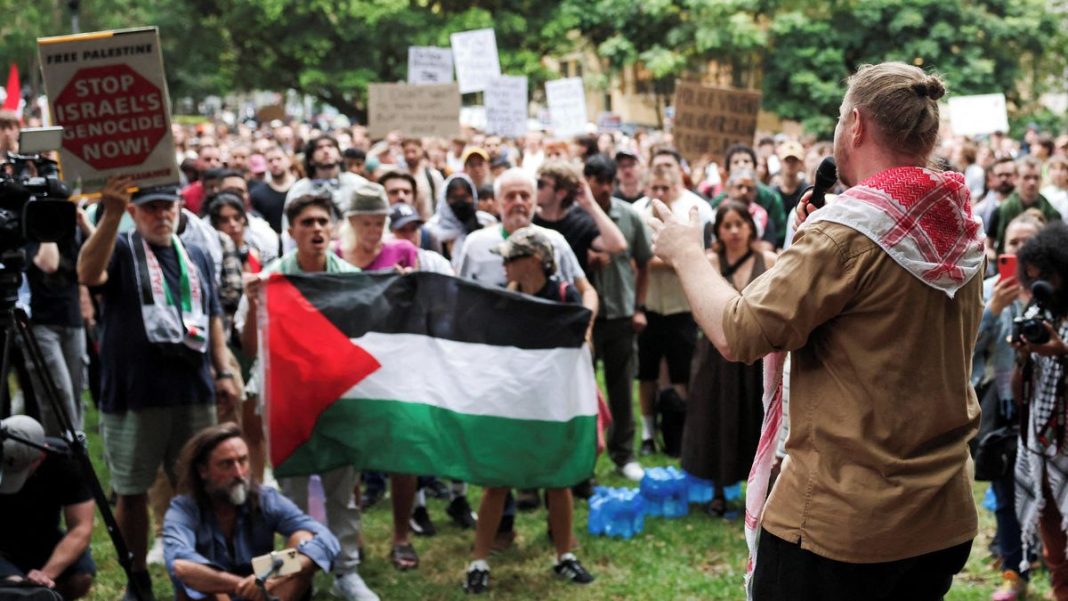
Palestine Action has been at the forefront of organizing protests and direct actions against companies involved in the arms trade, especially those supplying military equipment to Israel. The group has gained attention for its high-profile demonstrations, which often result in temporary shutdowns of targeted facilities. Their methods have sparked debate about the legality and morality of such protests.
The organization’s actions have drawn both support and criticism. Proponents argue that direct action is necessary to highlight and disrupt activities they view as unethical or harmful, while critics contend that such measures can be disruptive and potentially dangerous. This ruling may embolden other activist groups to pursue more assertive forms of protest, knowing that the legal system will protect their fundamental rights.
Public Reaction and Political Context

The court’s ruling has elicited varied reactions from the public and political figures. Advocates for free speech applauded the decision, viewing it as a victory for democratic rights. On the other hand, those concerned with public safety and order expressed disappointment, worried about potential escalation in protest activities.
This development comes amid a broader context of increasing restrictions on protest activities in the UK. Recent legislative efforts have sought to curtail disruptive protests, citing concerns over public inconvenience and safety. As such, the ruling could have implications for how future legislation is crafted and implemented, potentially influencing the scope of permissible protest activities.
Future Implications for Activism

The court’s decision could lead to a revitalization of protest movements across the UK, as activists may feel more confident that their rights will be protected in the legal arena. While some might see this as a green light for civil disruption, it also serves as a reminder of the need for responsible activism that balances urgency with public harmony.
Legal experts suggest that the ruling will likely stimulate a reevaluation of the legal frameworks governing protest. This could involve a closer examination of existing laws and possibly inspire new legislation aimed at bridging the gap between public order and the right to protest. Ultimately, the decision could foster a more nuanced dialogue about the role of protest in effecting social change.
In conclusion, the UK court’s decision to rule against the ban on Palestine Action is a landmark moment in the ongoing discourse about protest rights and civil liberties. This ruling not only affirms the right to protest but also challenges lawmakers to navigate the complex interplay between individual rights and societal order.
Source: Official Palestine Action website.