

The US Senate recently decided to block funding for the Department of Homeland Security, sparking concerns over national security and its broad implications. This move could significantly impact various operations and strategies crucial for safeguarding the United States.
Senate’s Decision and Its Political Context

In a surprising turn of events, the Senate action to block Homeland Security funding has been seen as a political maneuver, highlighting a division between differing policy priorities. The standoff occurred as lawmakers clashed over provisions and amendments included in the funding bill, which many believed would set precedents impacting future legislative negotiations.
The impasse can be attributed to disagreements on immigration policy, border security funding, and internal departmental reforms, each a hot-button issue with deeply entrenched partisan lines. This blockade underscores ongoing tensions in Congress and raises questions about the ability to reach bipartisan agreements in a timely manner.
Impact on Homeland Security Operations
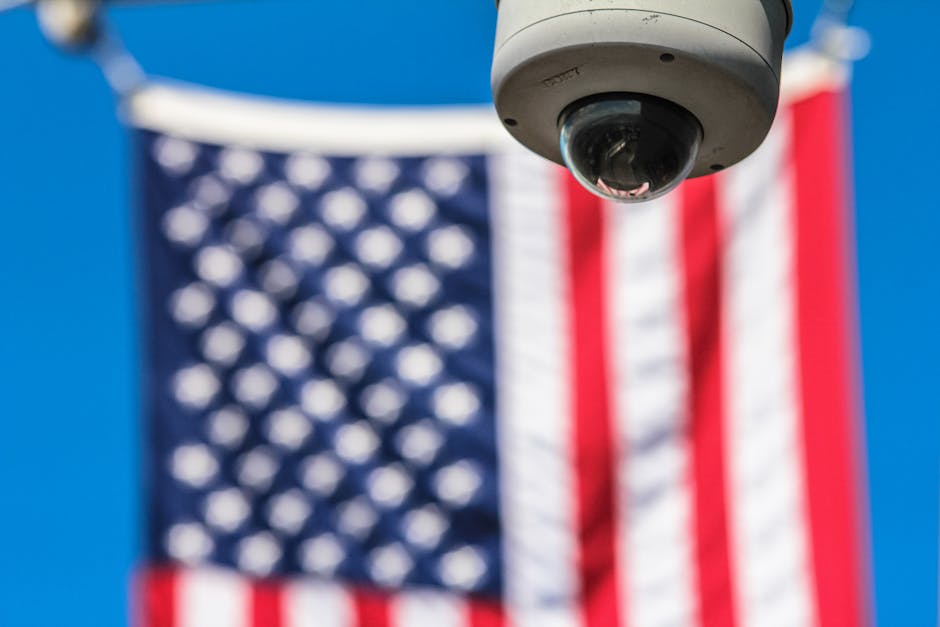
The most immediate concern surrounding the funding block is its potential to disrupt essential operations within the Department of Homeland Security (DHS). The department’s responsibilities, ranging from counter-terrorism efforts to cybersecurity and disaster response, could be severely hampered without adequate funding.
Amid growing threats and an ever-evolving global security landscape, the lack of financial resources to support DHS operations could compromise national security preparedness. This funding uncertainty may also negatively affect morale and operational effectiveness across various DHS branches, including the U.S. Immigration and Customs Enforcement (ICE) and the Federal Emergency Management Agency (FEMA).
Economic and Social Repercussions

The blockade is poised to have broad economic implications, particularly concerning Homeland Security’s role in facilitating trade and travel. Disruption in operations could lead to delays and increased scrutiny at borders, affecting everything from supply chains to tourism, both vital components of the national economy.
Moreover, social repercussions may also arise, as communities reliant on federal support for security and emergency services may find themselves at risk. Concerns about safety and trust in government efficacy could exacerbate existing social tensions and contribute to a climate of uncertainty.
Potential Resolutions and Future Outlook

As the Senate continues to deliberate, potential pathways to resolving the funding impasse include targeted negotiations aimed at addressing the contentious areas of the original bill. Compromise will likely require concessions on both sides, focusing on balancing security needs with fiscal responsibility.
Looking ahead, the situation serves as a cautionary tale about the importance of bipartisan cooperation in national governance. A resolution will not only restore funding but also set a precedent for handling future funding emergencies, with lawmakers needing to prioritize national interest over political gridlock.
In conclusion, the US Senate’s blockade of Homeland Security funding casts a spotlight on the intricate dynamics of American politics, highlighting both the challenges and urgent needs within legislative processes. As debates unfold, the priority remains ensuring stability and security for the nation.