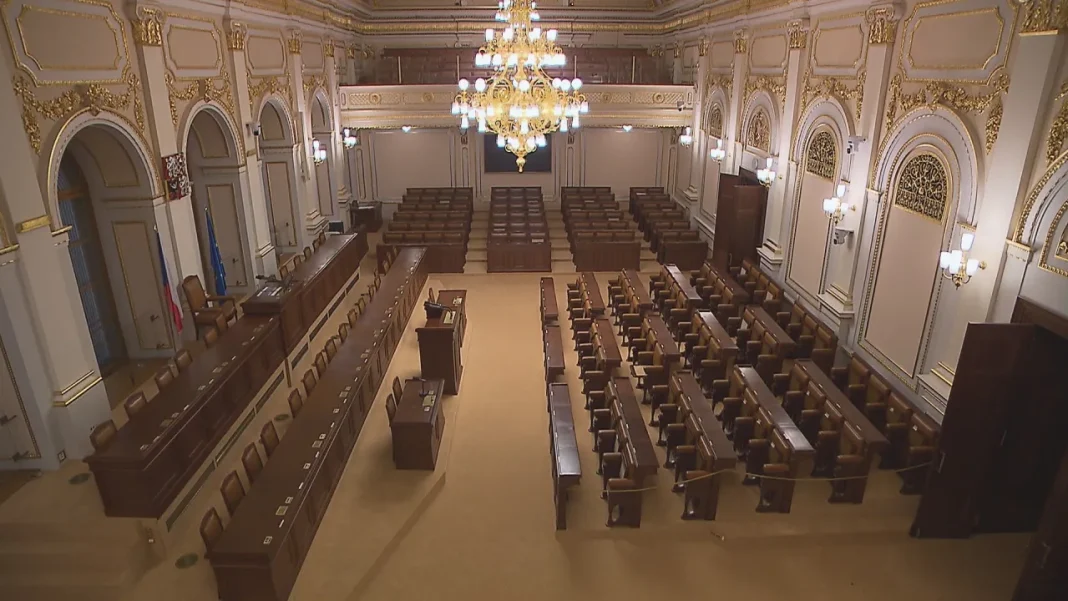

The Czech Parliament is currently deliberating a proposal to delay the Superdávka payments to current recipients, a move that has sparked significant debate among lawmakers and citizens alike. This potential policy change is seen as a response to broader economic pressures facing the nation.
Understanding Superdávka Payments

Superdávka payments are a form of financial assistance provided by the Czech government to certain segments of the population. These funds are typically allocated to support individuals with low income or those facing financial hardships. The program aims to alleviate poverty and provide a safety net to those in need, ensuring they have access to essential goods and services.
The payments have been a staple of the Czech welfare system for several years. Recipients of this aid often rely heavily on it to meet their day-to-day needs. Any disruption or delay in payments could have significant repercussions for these individuals, potentially impacting their ability to afford basic necessities.
The Rationale Behind Proposed Delays

The proposal to delay the Superdávka payments arises from the government’s attempts to address fiscal challenges. With rising inflation and increasing budgetary constraints, there is a pressing need to reassess financial allocations and optimize state expenditure. Lawmakers argue that temporary delays in payments might offer the government necessary time to reformulate its economic strategy.
The idea is not to eliminate the payments but to restructure the timing and distribution process. Proponents suggest that managed delays could help in stabilizing the budget without cutting off aid entirely. However, this approach has met with opposition from various quarters, sparking heated discussions among parliamentarians.
Public Reaction and Concerns

The proposed delay has drawn mixed reactions from the public. Many citizens are worried about the potential impact on their financial stability, especially in a time of economic volatility. Groups representing low-income families and welfare recipients have voiced their concerns, emphasizing the essential nature of these payments for their members.
Civic organizations and social advocates are actively lobbying against the delays, urging the government to consider alternative measures that would not compromise the welfare of vulnerable populations. The debate continues to echo across media outlets, illustrating the complex web of economic, social, and political challenges facing Czechia today.
Potential Outcomes and Future Implications

The decision on whether to delay the Superdávka payments could set a precedent for how the government approaches fiscal crises in the future. If approved, the move may lead to re-evaluations of other social welfare programs, prompting broader reforms within the sector.
If rejected, it could force the administration to seek alternative strategies to manage the budget shortfall, potentially leading to cuts in other areas or increased borrowing. The outcome will not only affect current recipients but also shape public trust in government financial management and social policy.
As the debate unfolds, all eyes remain on the Czech Parliament’s final decision, which will have far-reaching effects on both the state’s fiscal health and the well-being of its citizens.